Categories
Featured mobile Reviews

Vivo T3 5G Review In Five Points: The Pros And The Cons

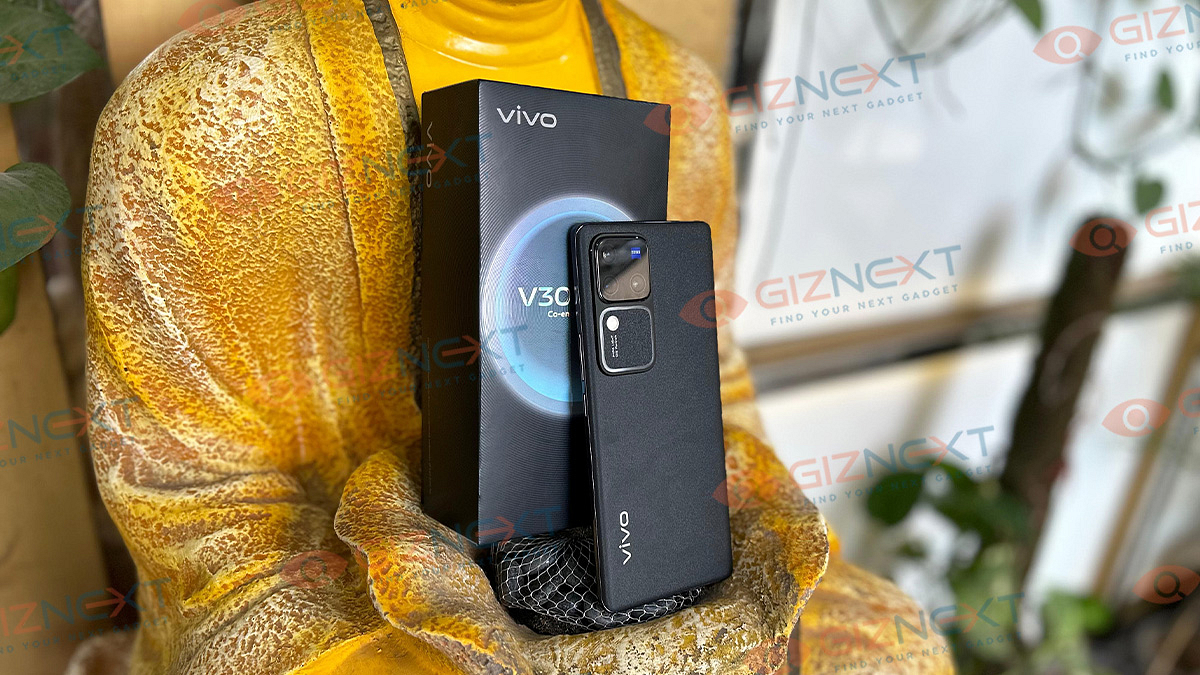
Vivo has just launched the third-generation handset in its affordable 5G T series — the T3 5G. The sub Rs. 20,000 segment is currently at its peak and multiple other OEMs have introduced new models for the Indian customers. The Vivo T3 5G heads in this race with updated spec-sheet and a striking design.

Introduced at competitive pricing starting at Rs. 19,999 for the 8GB RAM+ 128GB storage variant and Rs. 21,999 for the 8GB RAM and 256GB storage option, the Vivo V23 5G will go up for sale starting March 27, 2024 via Flipkart and official Vivo e-store. The new-gen T-series model besides the reasonable pricing also has an impressive hardware that pits as a strong competitor in its league. But how well it fairs in terms of overall performance? This quick review has the pros and cons that will help you decide.

The Pros

Appealing Design And Comfortable Grip
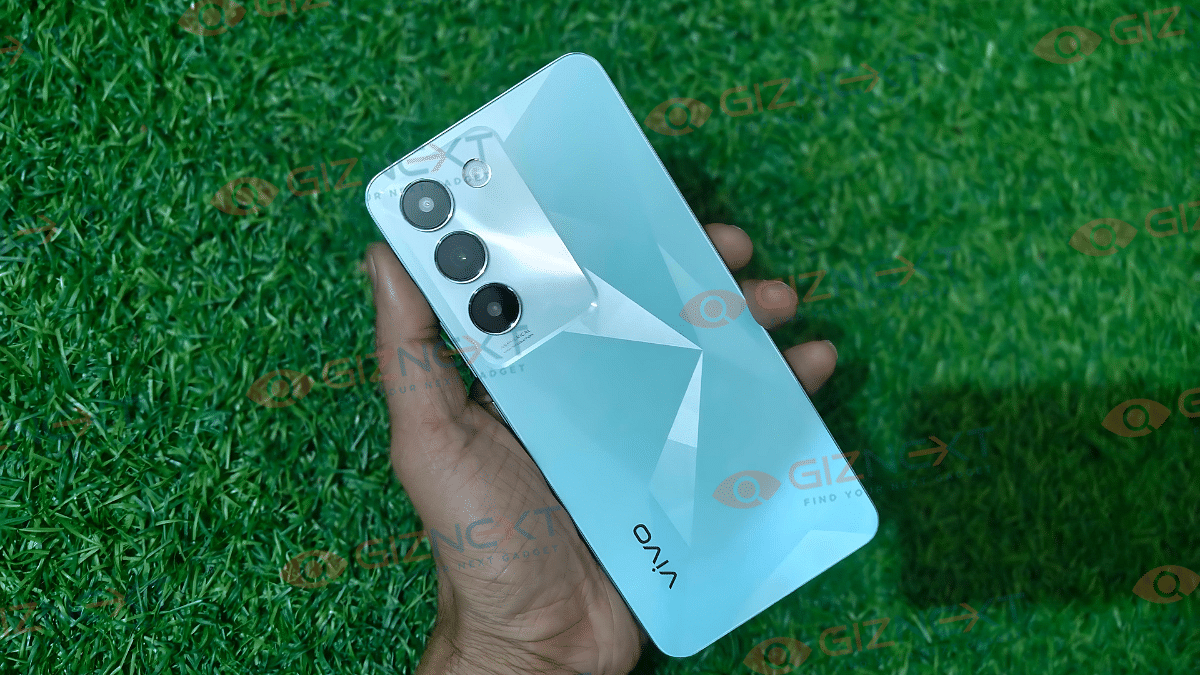
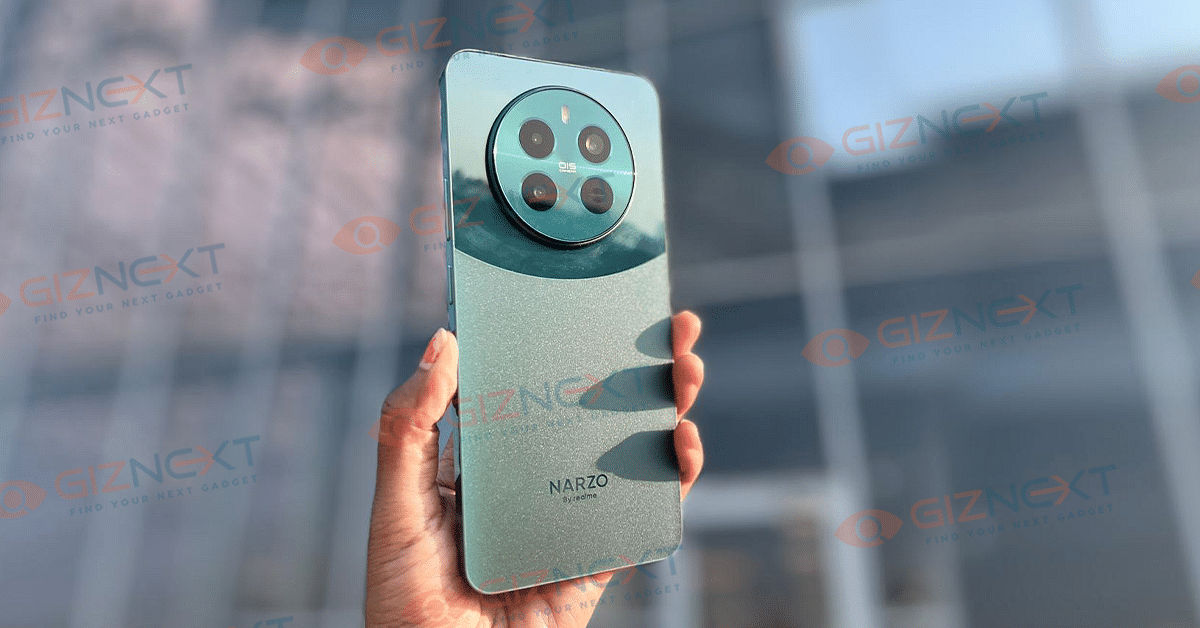
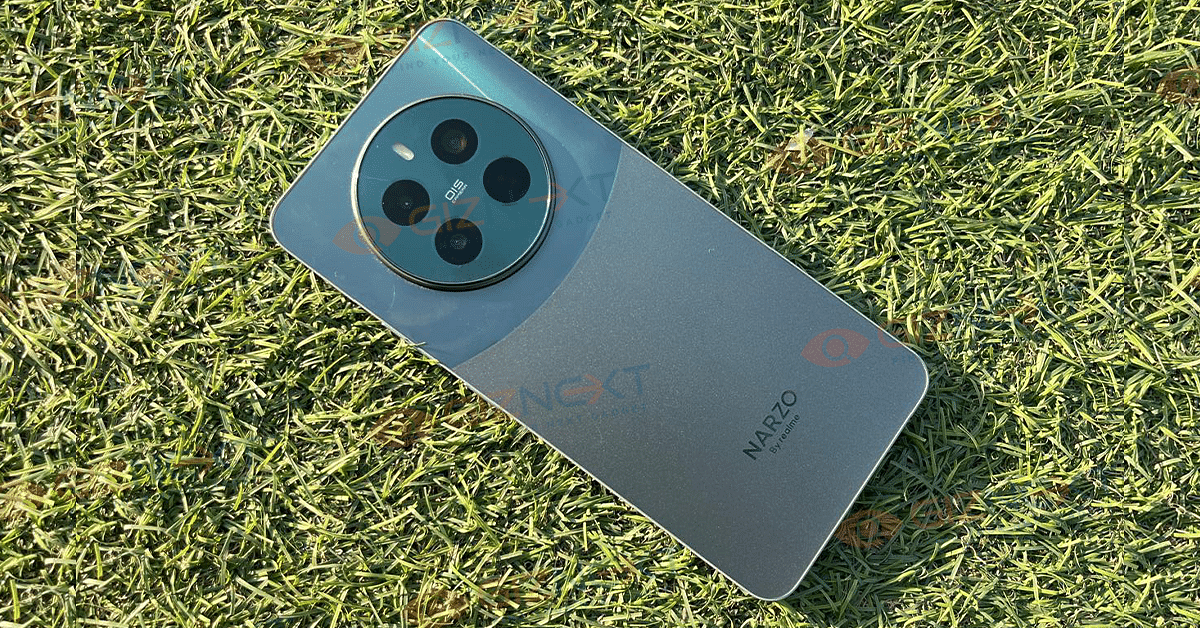
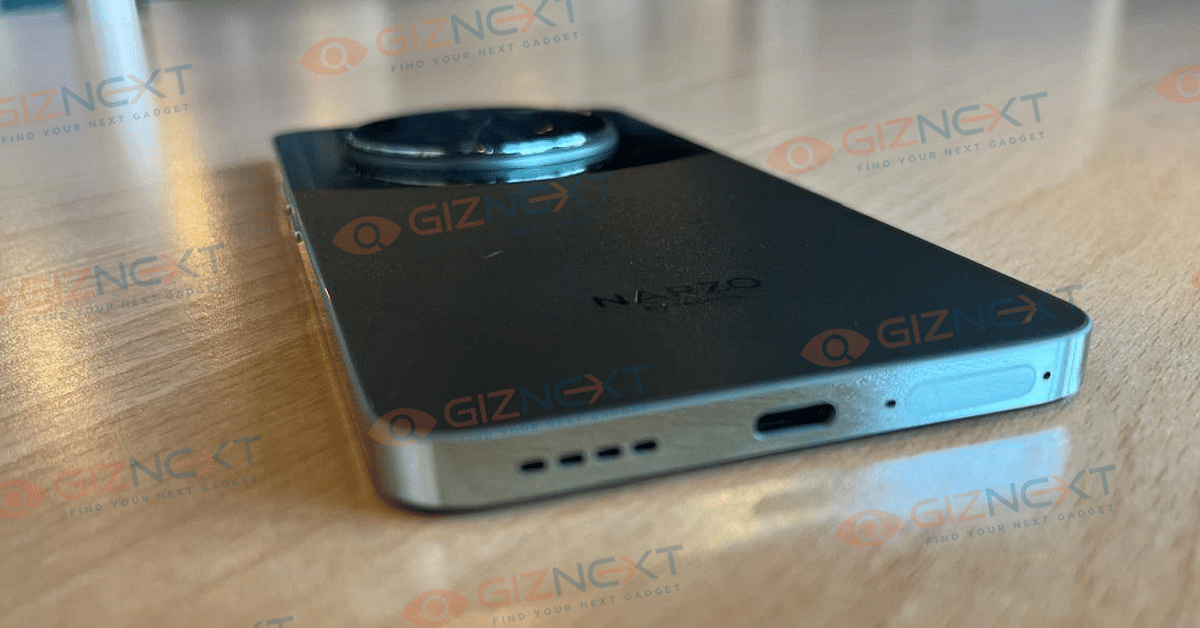
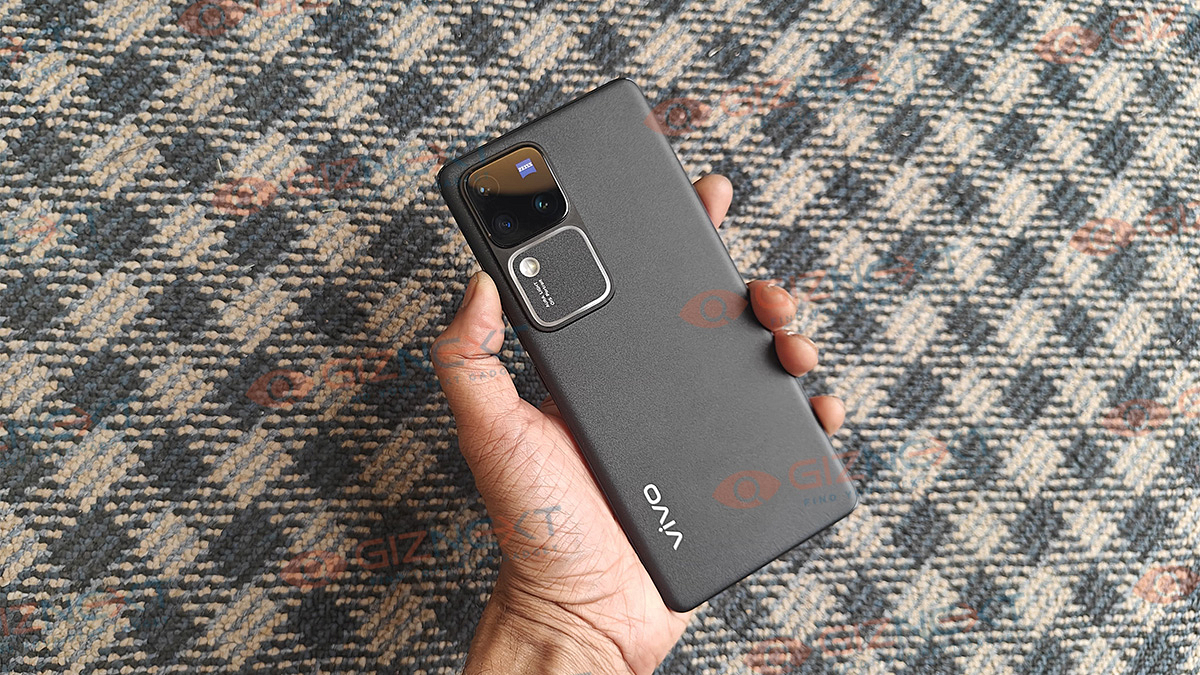
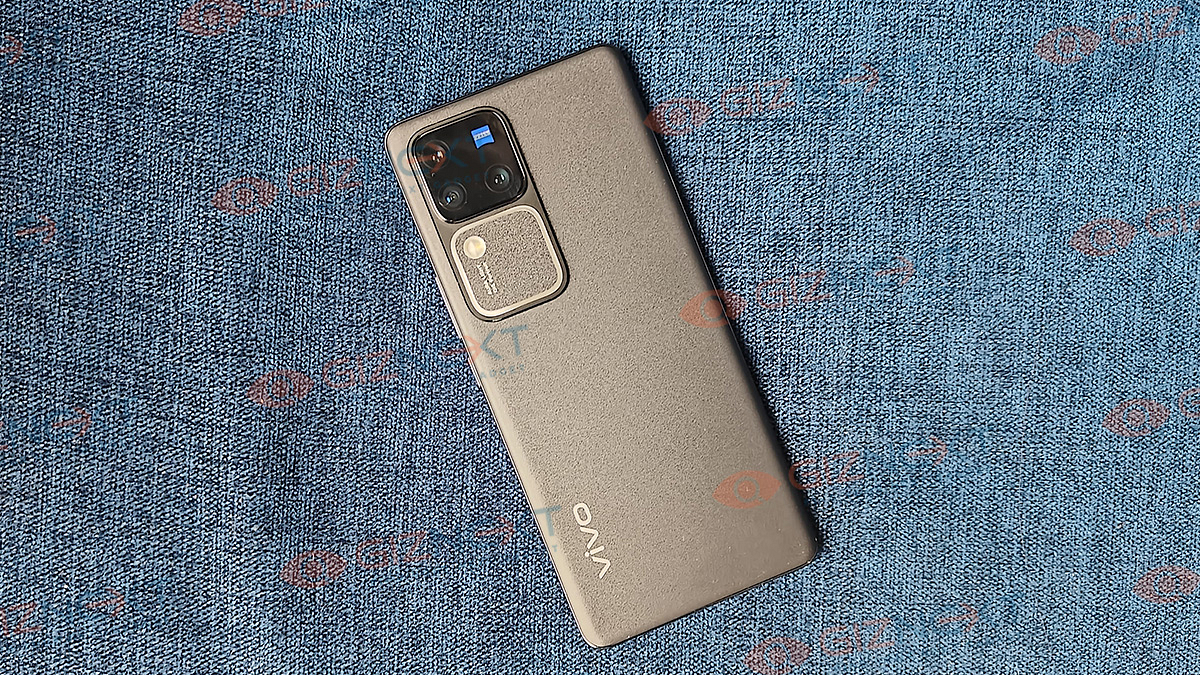
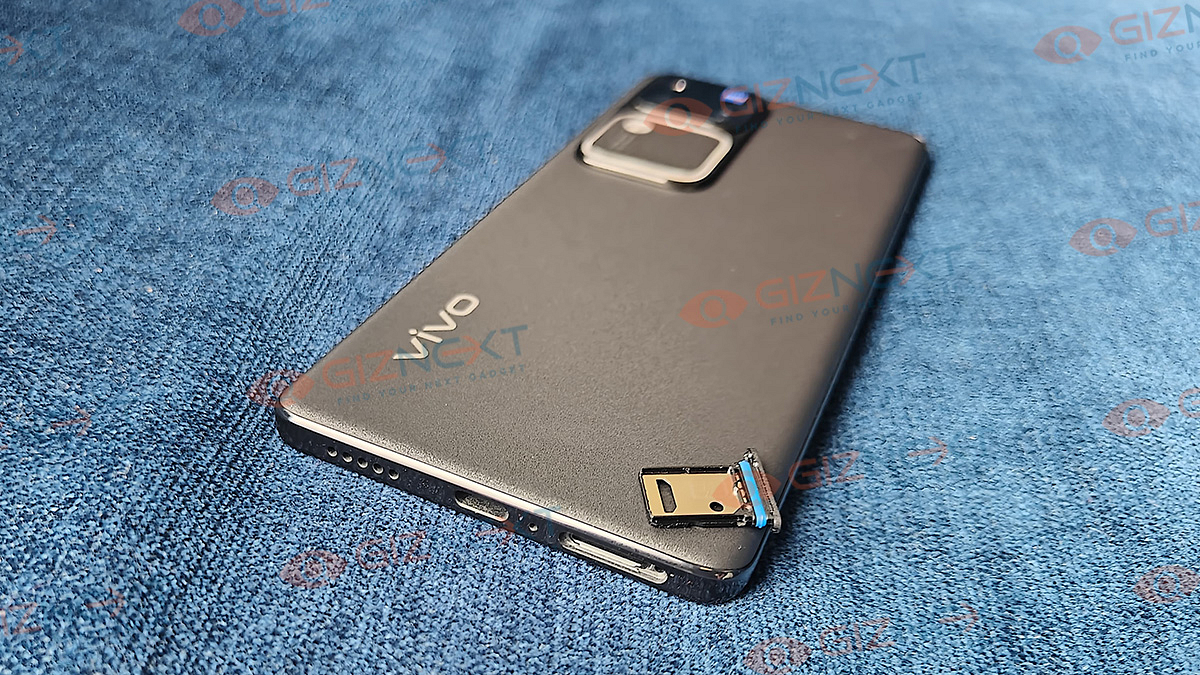
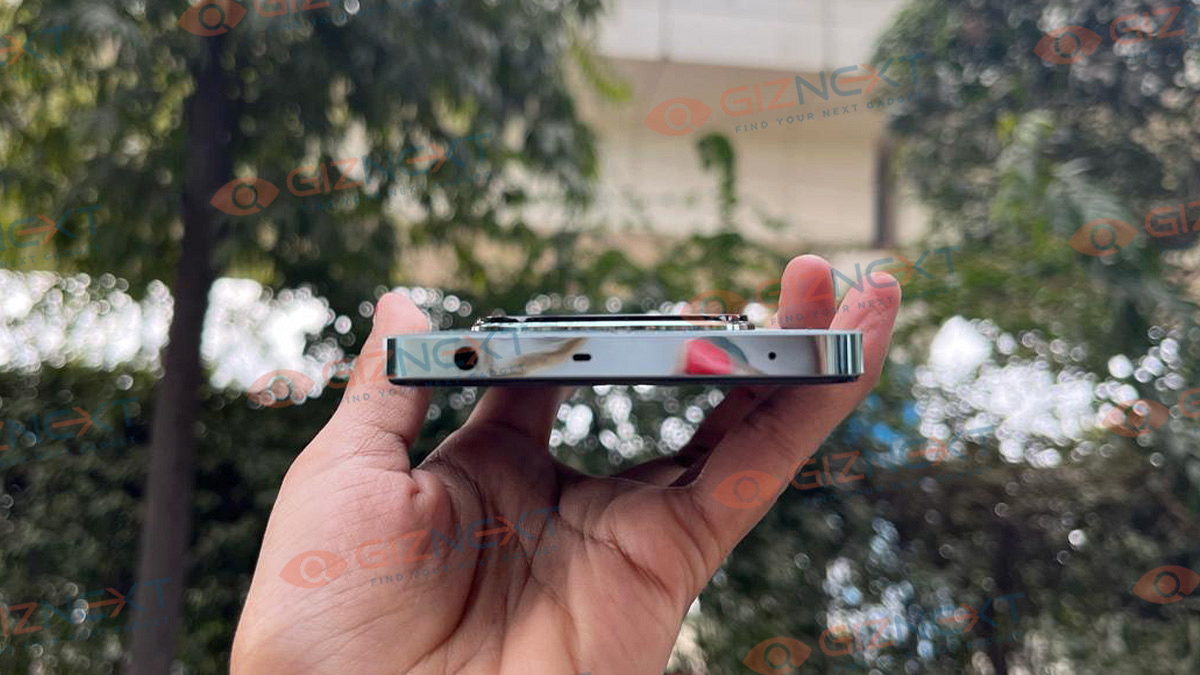
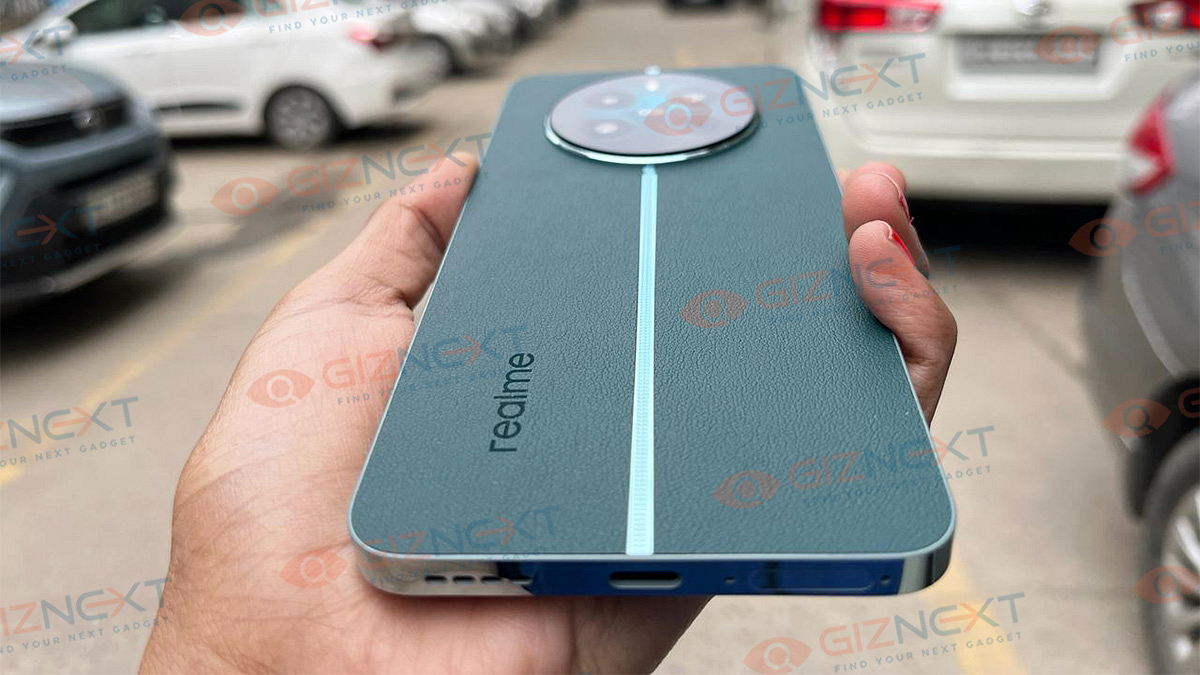
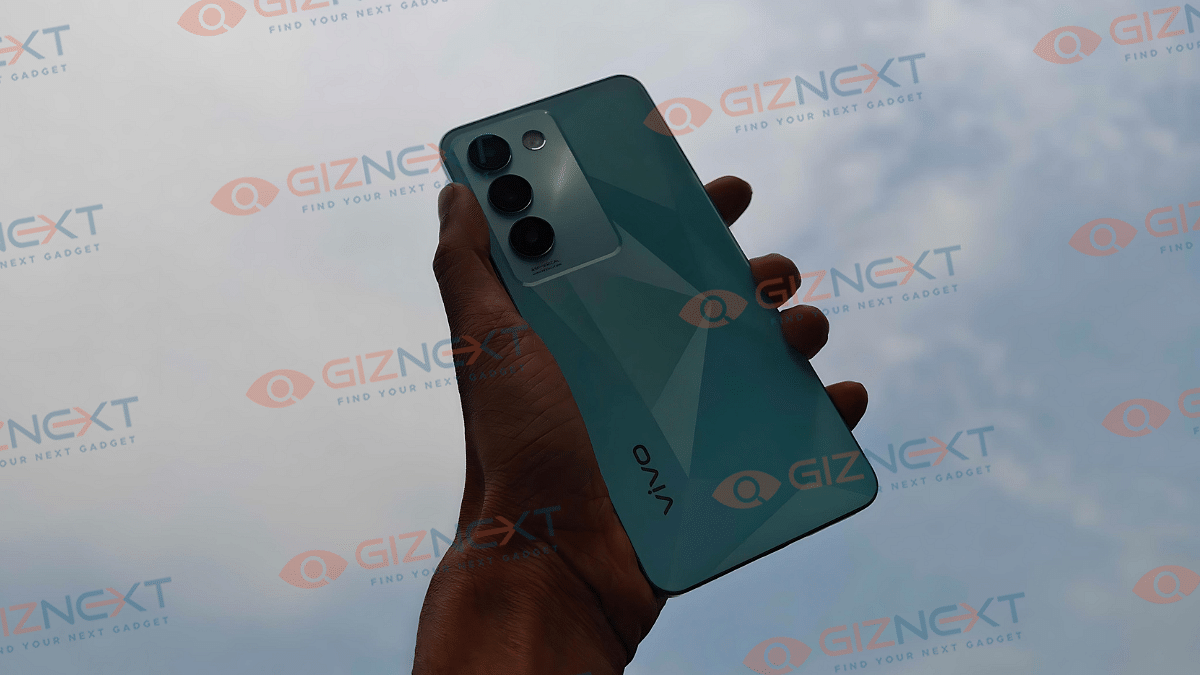
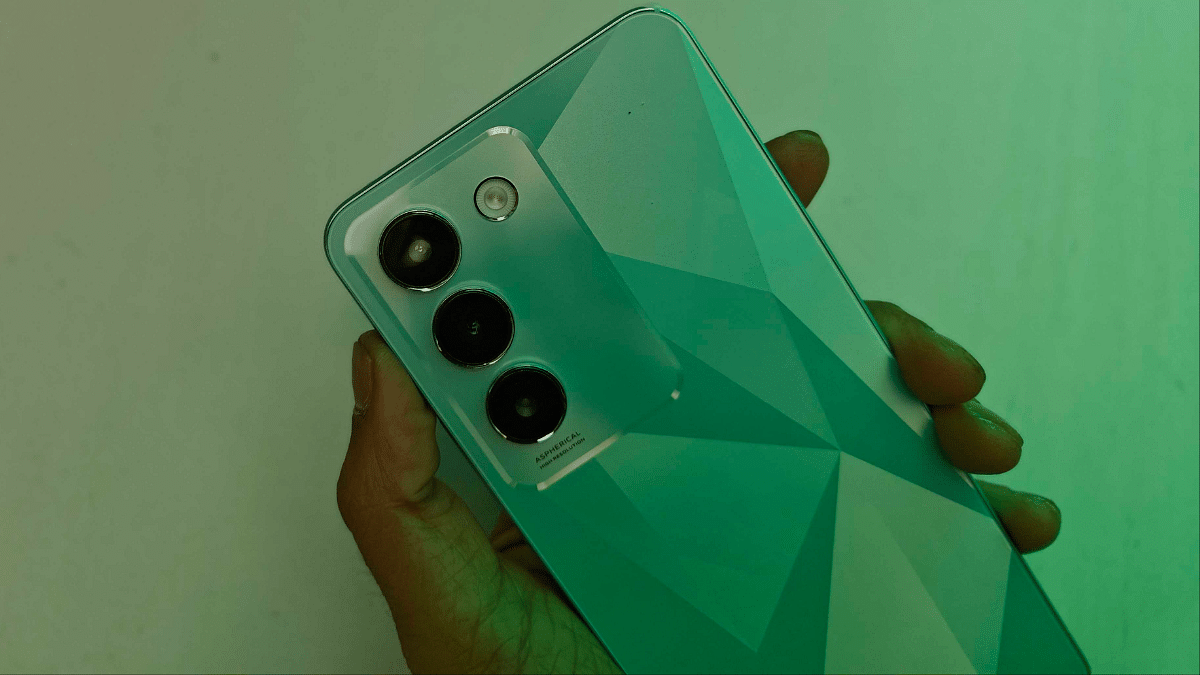
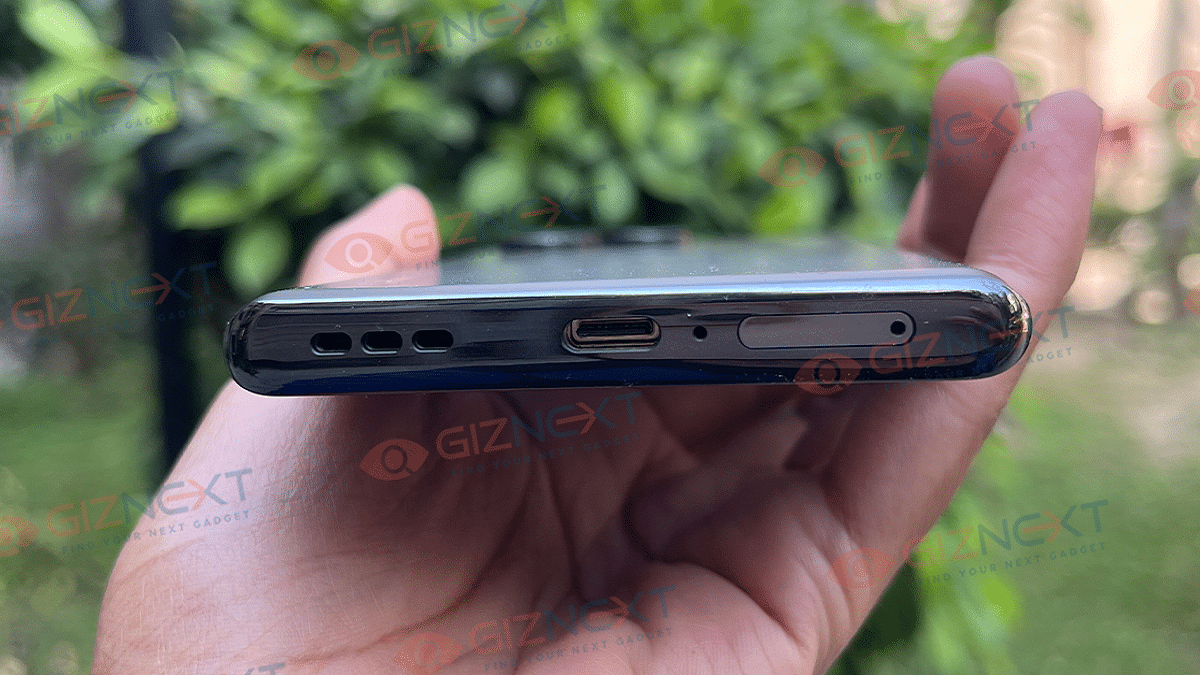
The Vivo T3 5G falls in line with the flat-frame design that is taking over the mid-range segment. We recently reviewed the Realme Narzo 70 Pro and the Oppo F25 Pro with the same design format. However, the Vivo T3 5G’s eye grabbing factor is the shimmering back panel with geometric textures. The slim rectangular camera island neatly integrated on the frame stands out from the conventional designs. The build feels average but looks is no compromise here. The gradient rear surface ins’t entirely smudge resistant hence using a case becomes necessary to prevent dust accumulation and also scratches.

Also Read: Lava Blaze Curve 5G Review: Setting New Standards For Budget Smartphones?

Decent Camera Hardware
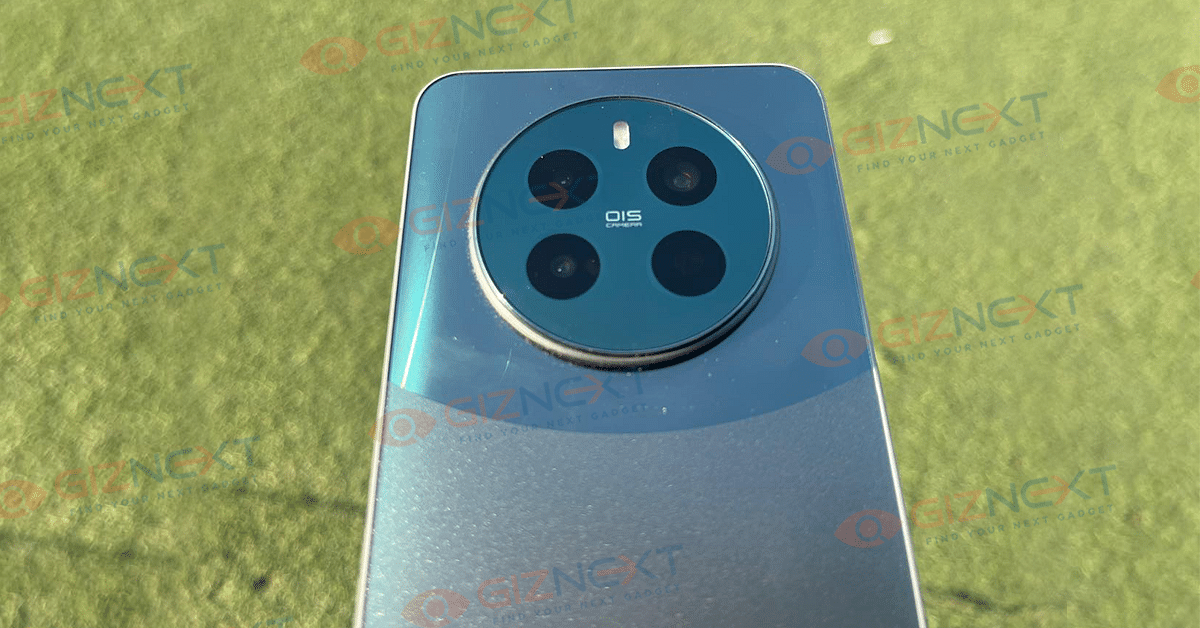
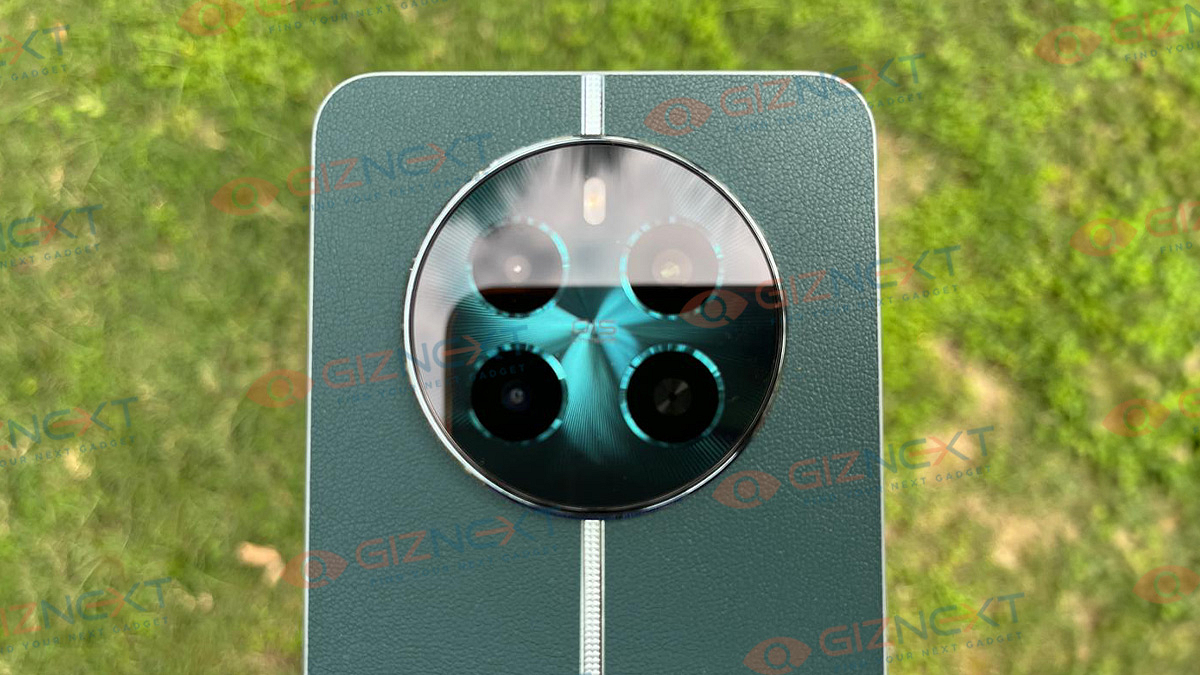
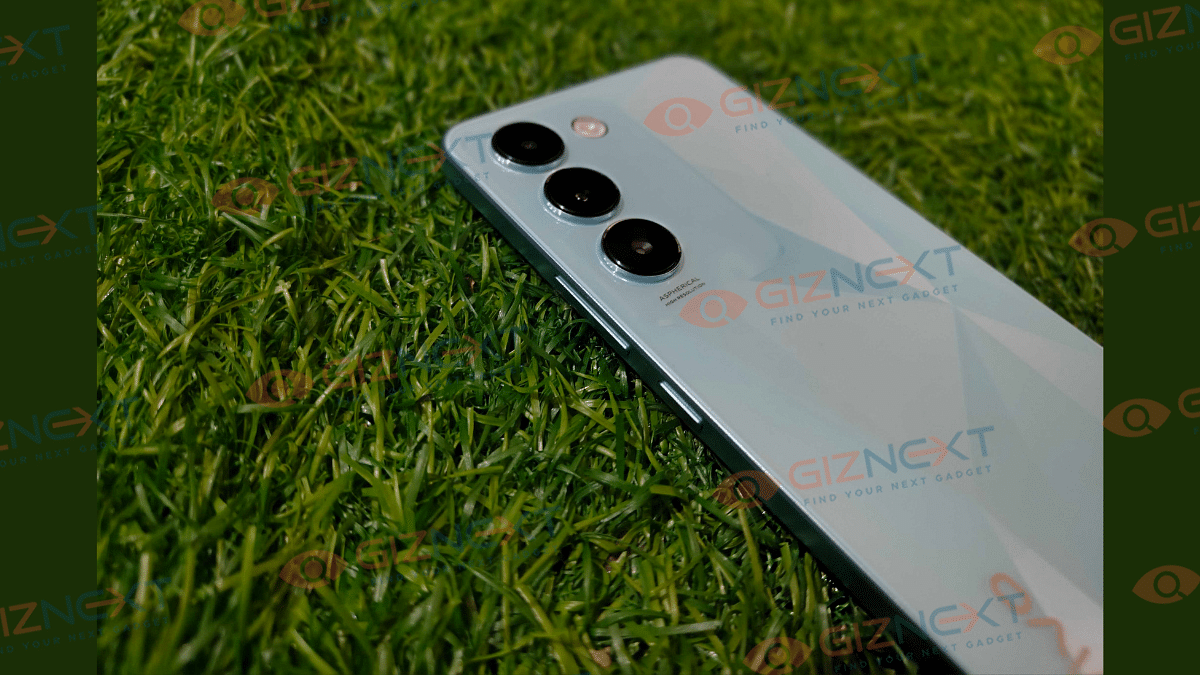
Photography is handled by a pair of sensors at the rear and a single lens up front. The rear camera island includes a 50MP Sony IMX882 primary sensor combined with a 2MP portrait sensor. The main lens supports OIS and uses 4-in-1 pixel binning tech for clear shots generation. Our initial feedback with the T3 5G’s camera has been decent overall. It offers a range of in-app camera modes including the Supermoon which we have seen of the higher-end Vivo phones. We were able to capture images with ample detailing using the primary Sony lens.

The portrait frames also turned out decent in daylight scenarios. Video recording of up to 4K resolution is supported with the T3 5G. Combined with the dedicated Anti-shake feature high stabilization is achieved during video recording. Selfie shots have also been good with the 16MP lens accommodated inside the punch-hole cutout upfront. Details of the self-portraits are good enough for social media uploads. We need to test the camera performance with different backgrounds and lighting conditions. The performance details will be shared in the comprehensive review.

Also Review: Realme Narzo 70 Pro Review In Five Points

Premium Display Tech
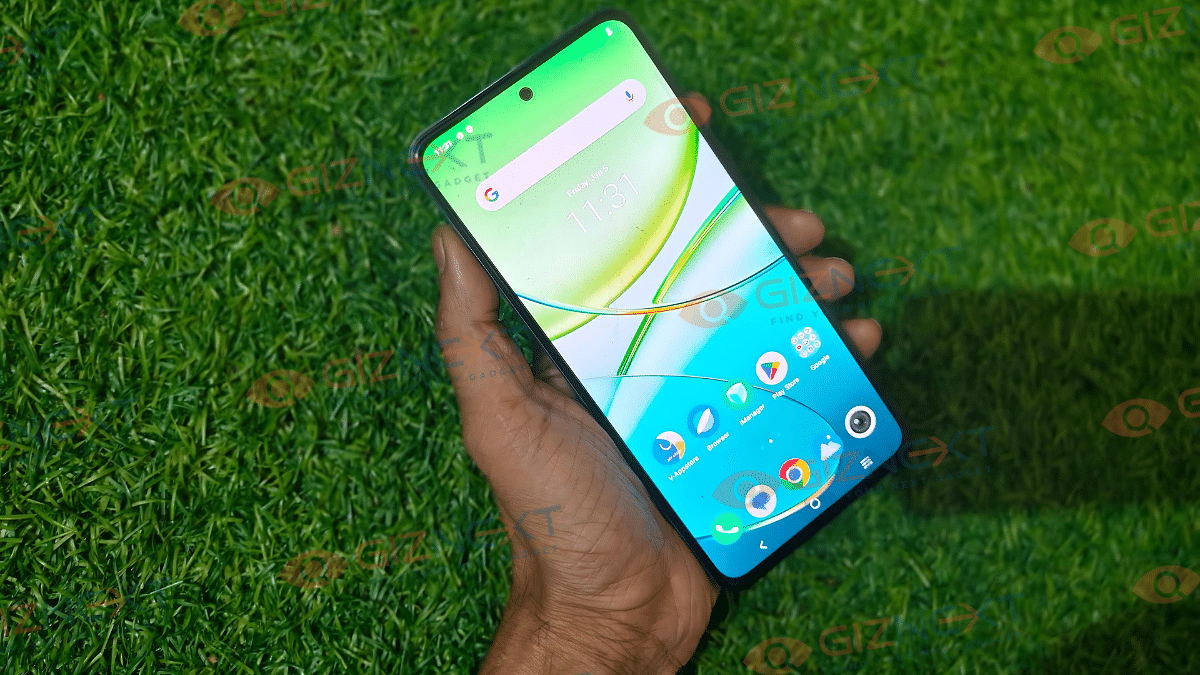
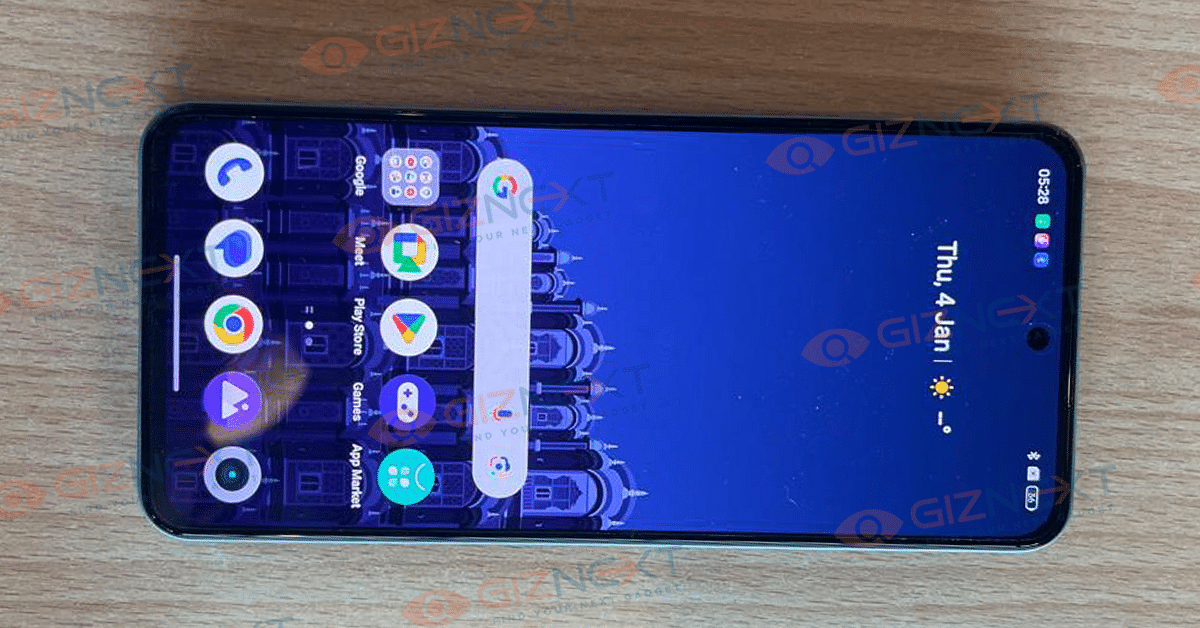
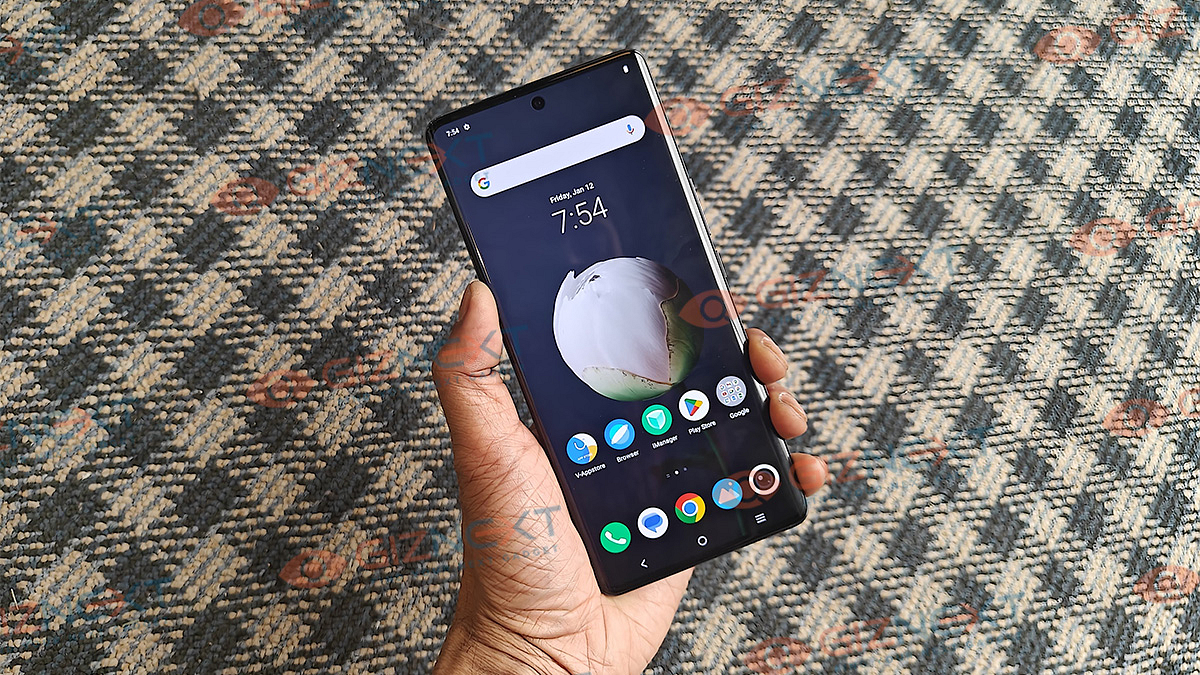
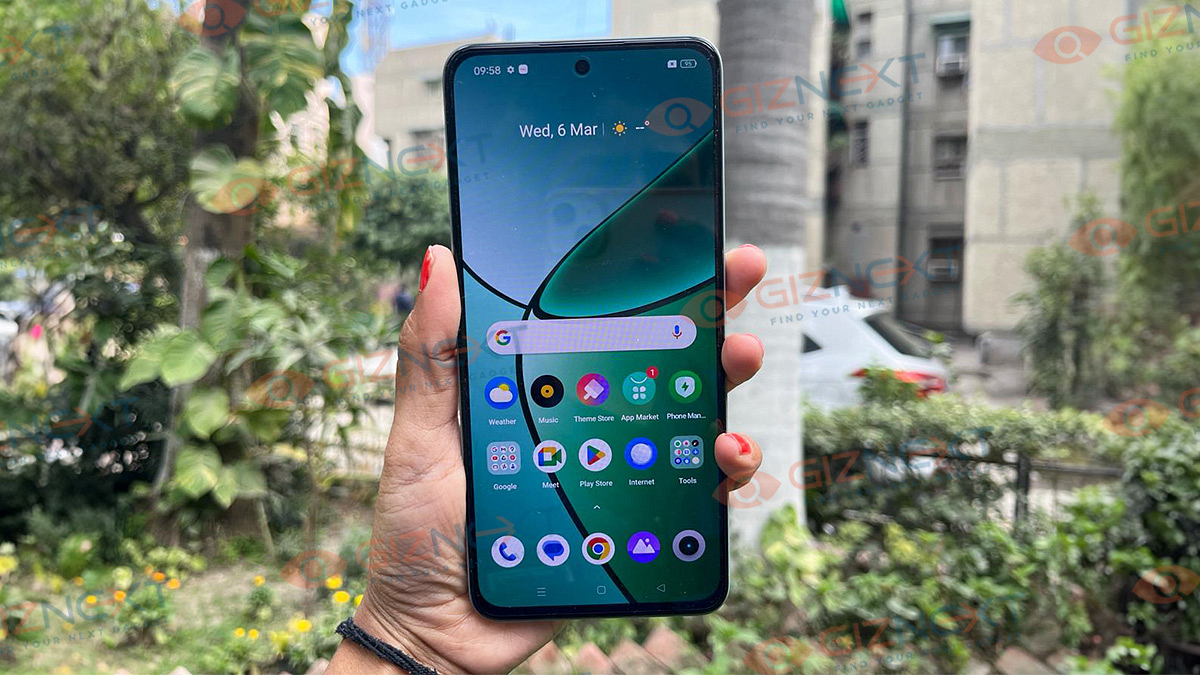
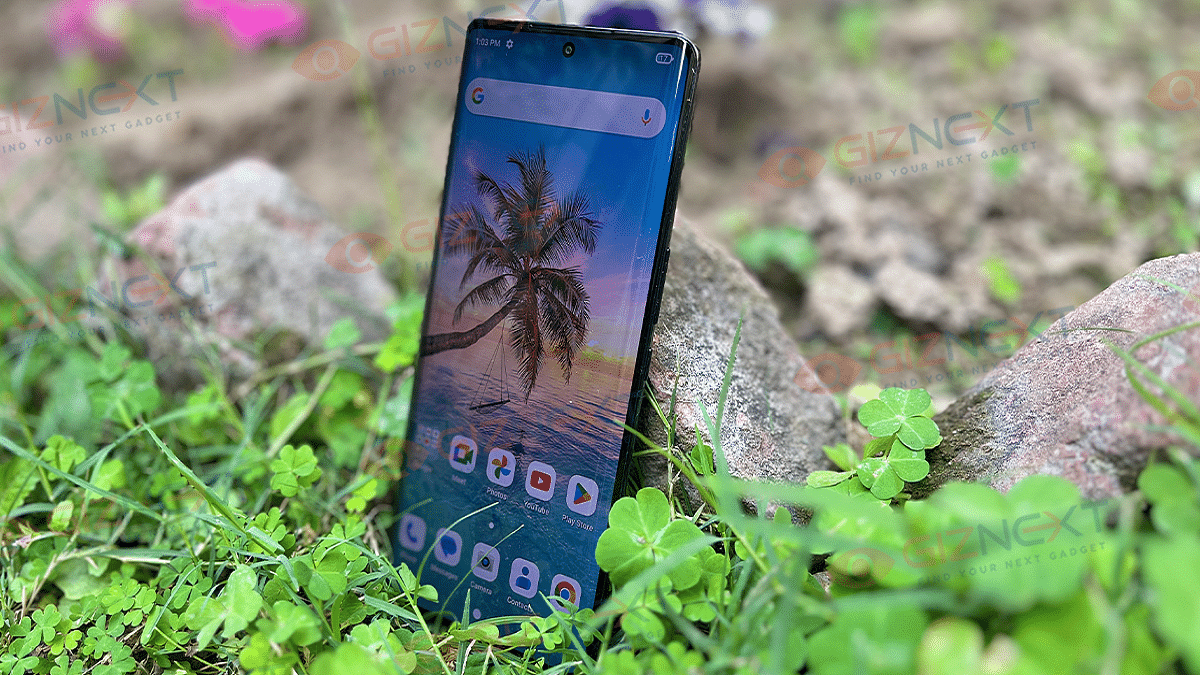
The Vivo T3 5G has one of the advanced display techs where it includes an AMOLED panel measuring 6.67-inches. The tall panel supports a clear 1080p FHD+ resolution and 120Hz refresh rate. Visual clarity is good with the panel displaying deeper blacks and refined colors with the 100 percent DCI-P3 color gamut. It is a delight to binge on shows and videos with the high clarity visual production. The display of the T3 5G features HDR10+ certification with which our experience on the online streaming apps and websites have been good. The brightness levels pf 1800 nits (peak) allows clear visibility in outdoor settings. We didn’t struggle much with the screen performance in our brief testing duration. However, we still are to check the display performance with extensive gaming which we will be concluding in the coming weeks.

Also Read: OPPO F25 Pro Long Term Review: A Performance-Oriented Mid-Ranger

Optimum Daily Performance
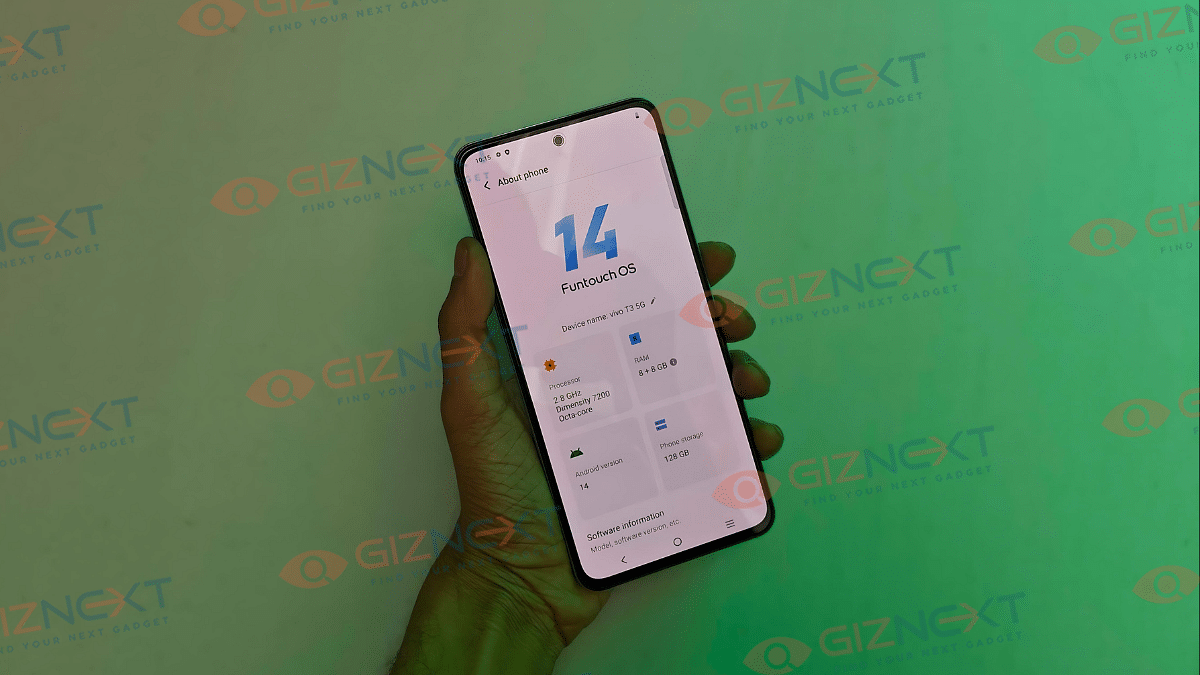
A mid-range MediaTek Dimensity 7200 processor powers the Vivo T3 5G. The octa-core CPU has logged decent scores in several benchmark tests and is powerful enough as a daily driver. Vivo has introduced this unit with a single 8GB RAM option which we found to be efficient with handling multitasking and app launches. The phone performs decently with heavy and extensive games. It would be too early to give a feedback on its gaming performance when the sessions are prolonged. This brings us to the device warm up stats; until now, we didn’t come across any major heating issues despite heavy usage. But we are analyzing how the device handle’s temperature stability in the longer run.

Also Read: Oppo F25 Pro 5G Quick Review: A Snapshot Of Its Pros And Cons

The Cons

Big Battery But Not So Fast Flash Charging
Rounding off Vivo T3 5G’s hardware is a 5,000 mAh battery pack. Now, this battery size has become standard in the mid-range segment and all the other recent launches includes the same battery capacity. So, the backup is similar to what the market offers in the same price range. That said, the T3 5G lasts easily more than half a day when you use it moderately for basic entertainment and other tasks. This brings us to the cons and the reason we mentioned this. The T3 5G comes with 44W fast charging support. While this is a decent rapid charging speed, the competition are offering 67W and higher speeds in this segment. Faster charging speeds would only have made it a better package for its price range.

Also Read: Moto G04 Review: Is Motorola’s Latest Budget Phone Worth Your Bucks?

Verdict: Hit Or A Miss?
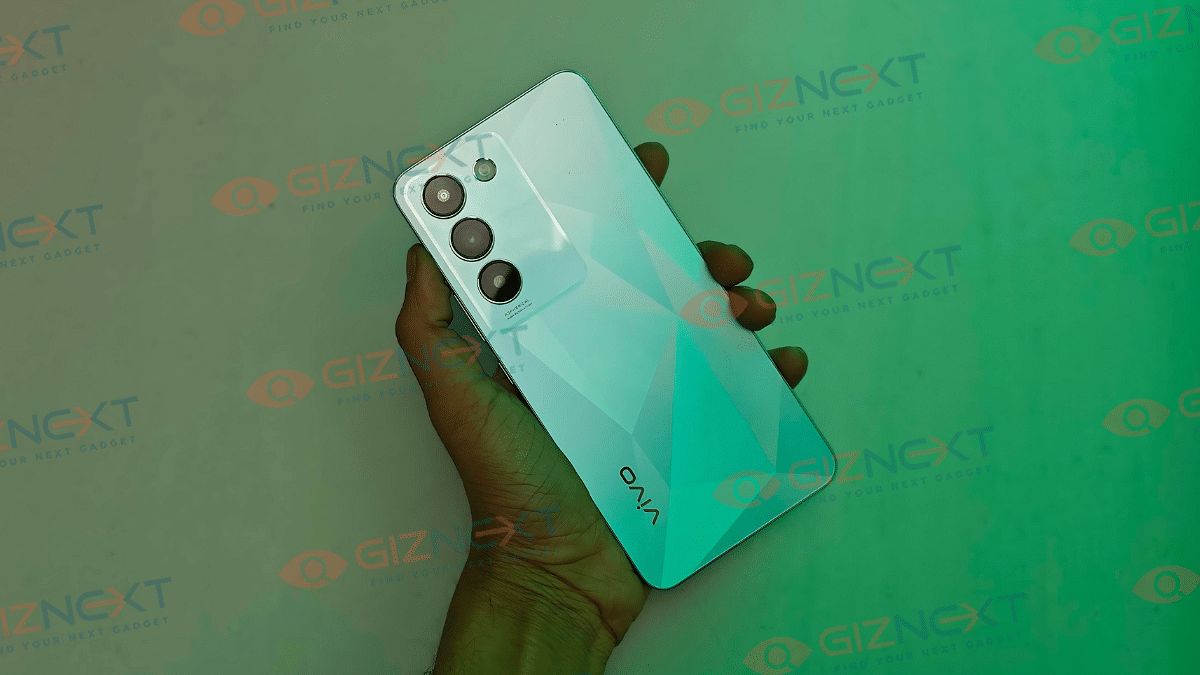
With the T3 5G, Vivo is proving enhancements remain the key approach even when its an affordable or mid-range device. The new-generation T series phone keeps the legacy intact of offering a value-for-money deal when you are looking out for a budget 5G handset.
Categories
Accessories Featured Reviews

Just Corseca Sushi Albatross Bluetooth Speaker Review: Is It The Ultimate Party Companion?

Key Highlights

  • Multiple connectivity options
  • Comes with RGB lights
  • 20W Output power
  • FM, Voice recording, and more

Your lounge, kitchen, or your favorite spot in the park, anywhere you go, music can make it better. And when it comes to portable sound, we’ve got just the thing – the newly launched Albatros Sushi Bluetooth Speaker from Just Corseca. Picture this: 20 watts of pure audio awesomeness packed into a sleek, portable package. But wait, there’s more. This bad boy doesn’t just stop at Bluetooth – it’s a connectivity chameleon, with USB, AUX, FM, and TF card support. Oh, and did I mention the RGB lights? Yep, this speaker isn’t just about sound; it’s a visual fiesta too. Stick around as we dive deep into whether this speaker is the ultimate party companion or just another gadget gathering dust. Let’s roll! Also Read | Mivi Fort S24 Soundbar Review: Portable And Affordable

ProsCons
Multiple ConnectivityLimited Range for Wireless Connectivity
Compact and PortableAverage FM radio reception
Rich Sound Quality 

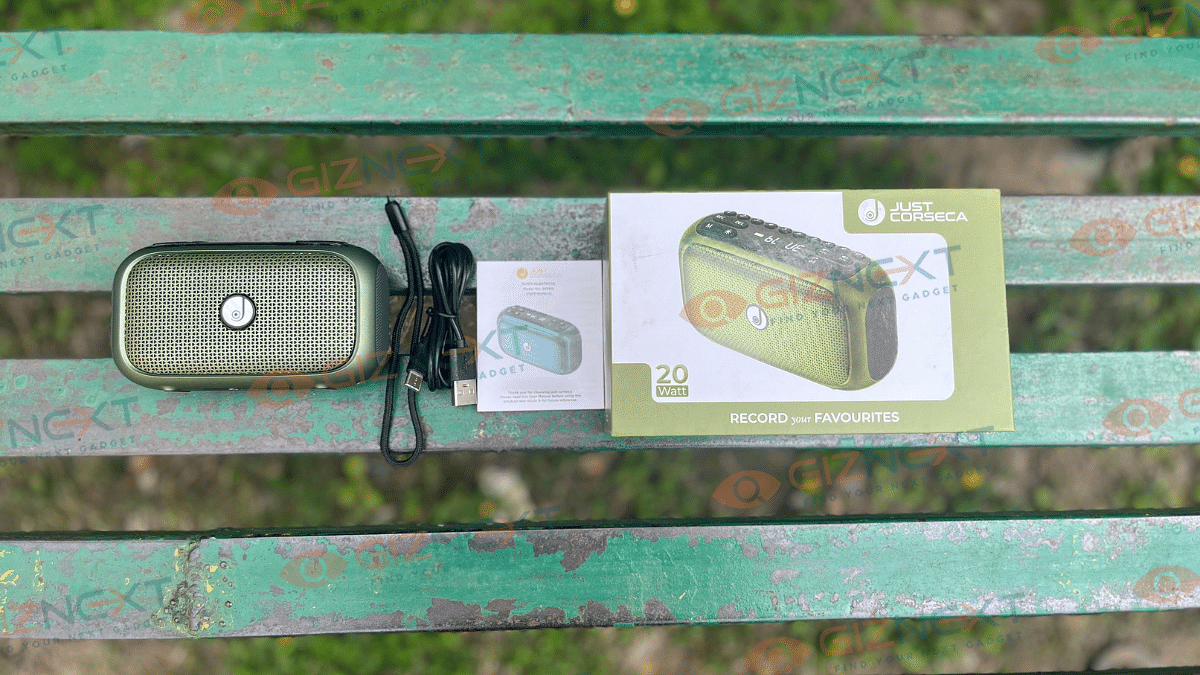
Unboxing The Sushi Albatross: What’s Inside?

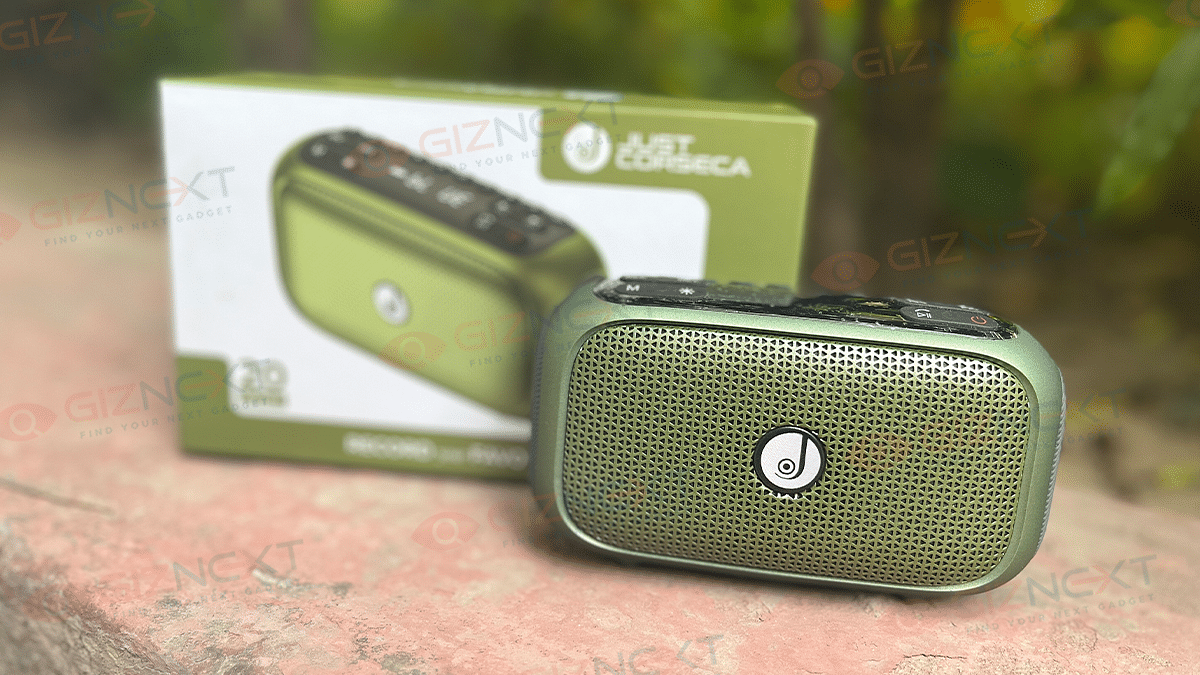
  • Sushi Albatross Bluetooth Speaker (Green)
  • String
  • Charging Cable
  • User Manual

Design: Stylish Build

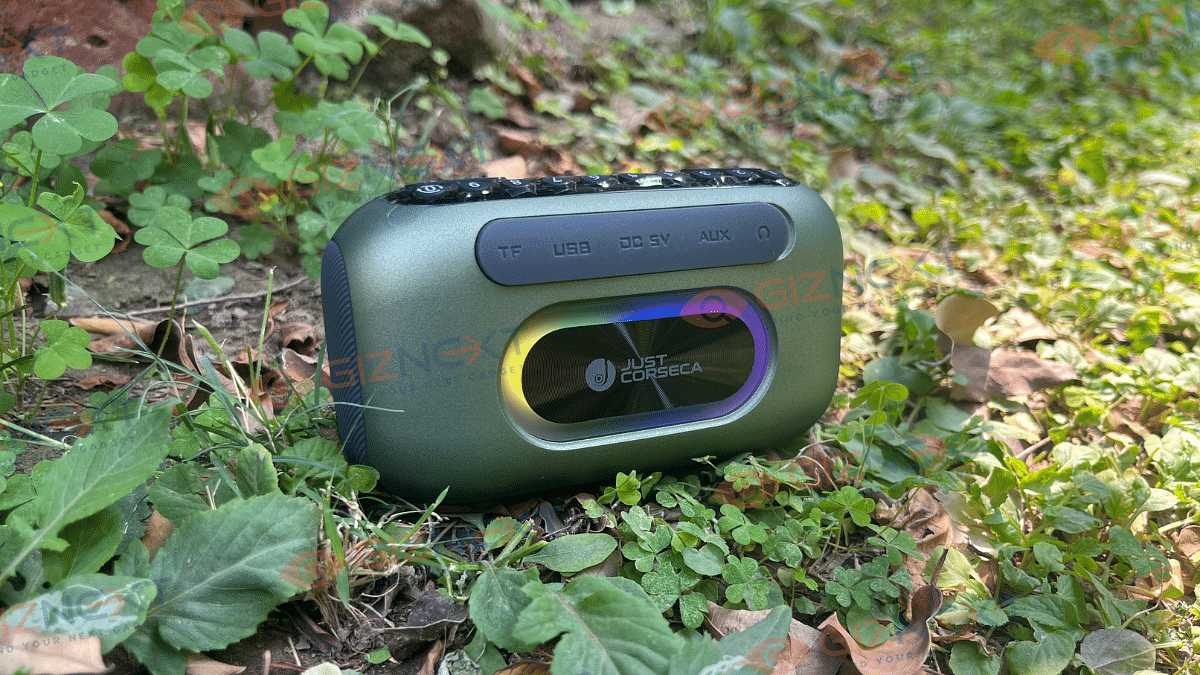
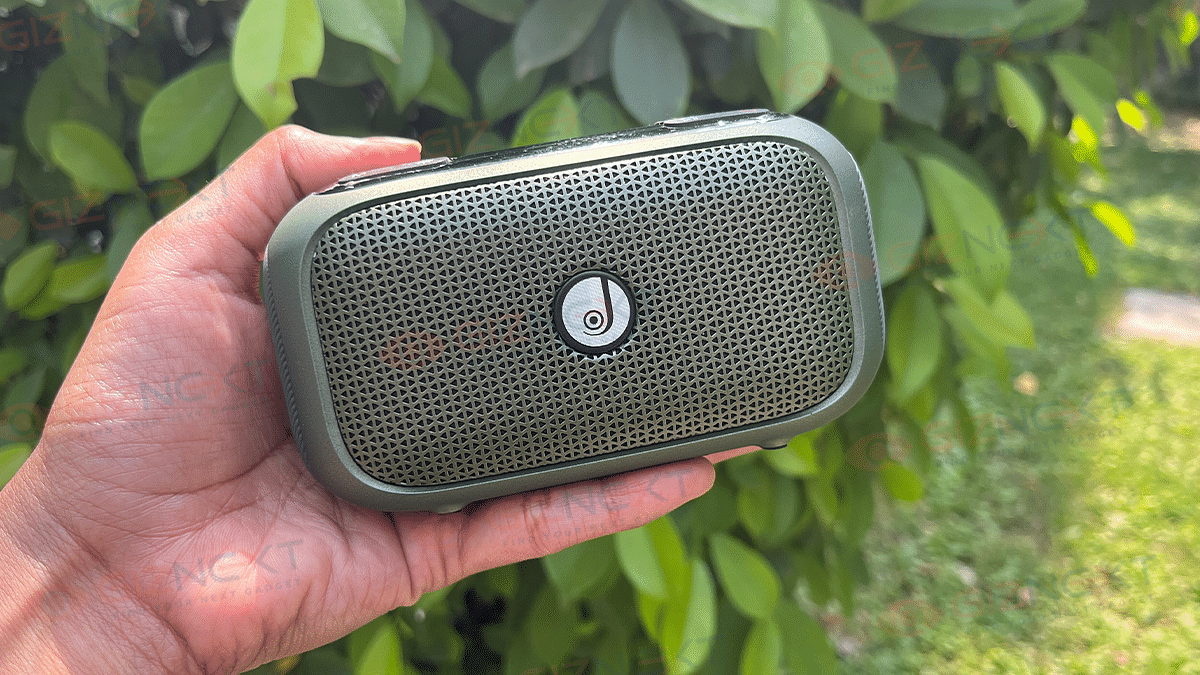
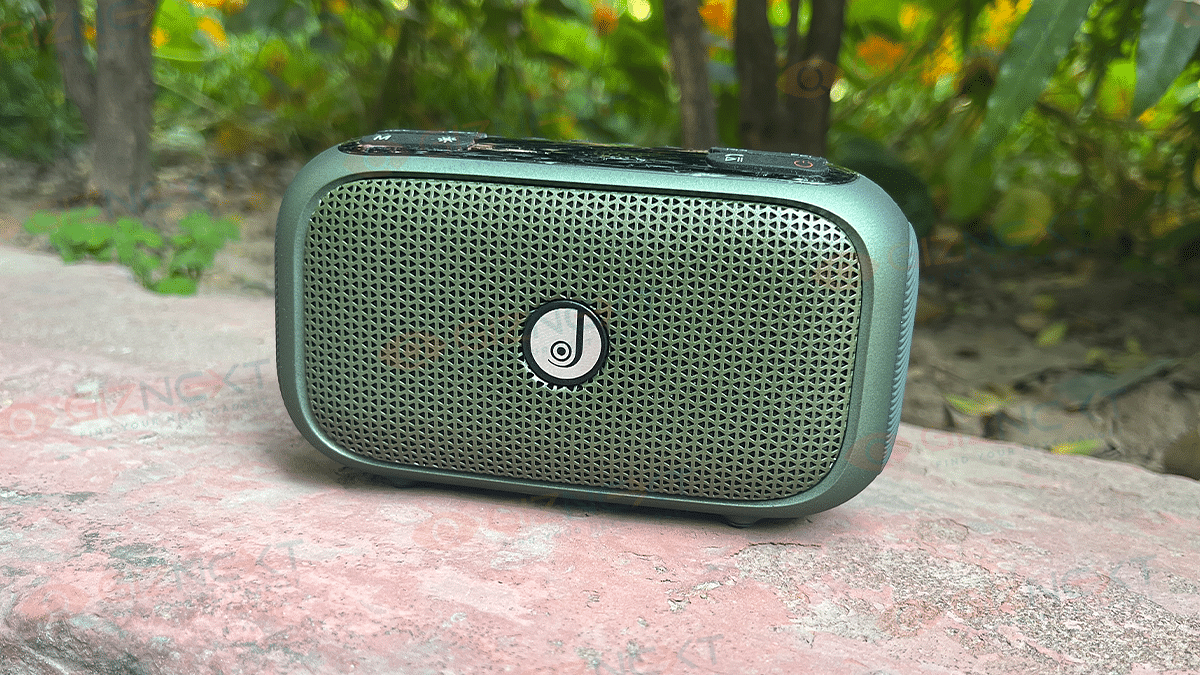
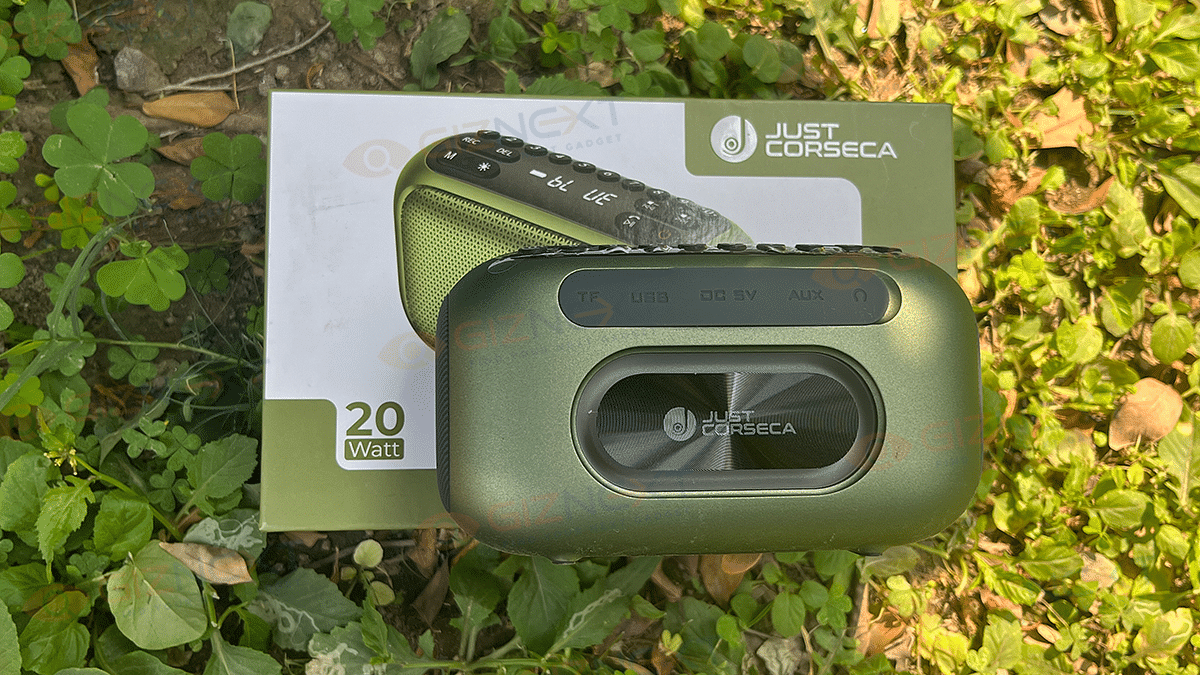
The Sushi Albatross Bluetooth Speaker has a tough built with a mix of plastic and metal mesh on the front that gives it a rugged look. Plus, it’s got bass radiators on each side for extra oomph and rubberized grips for stability.

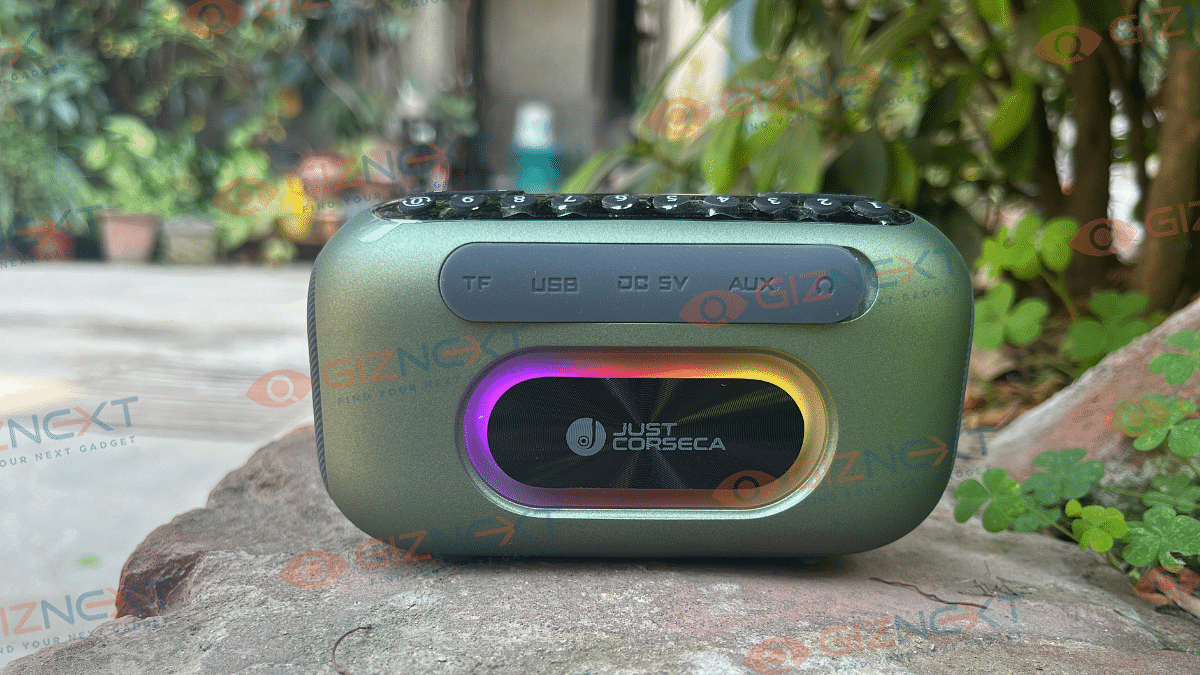
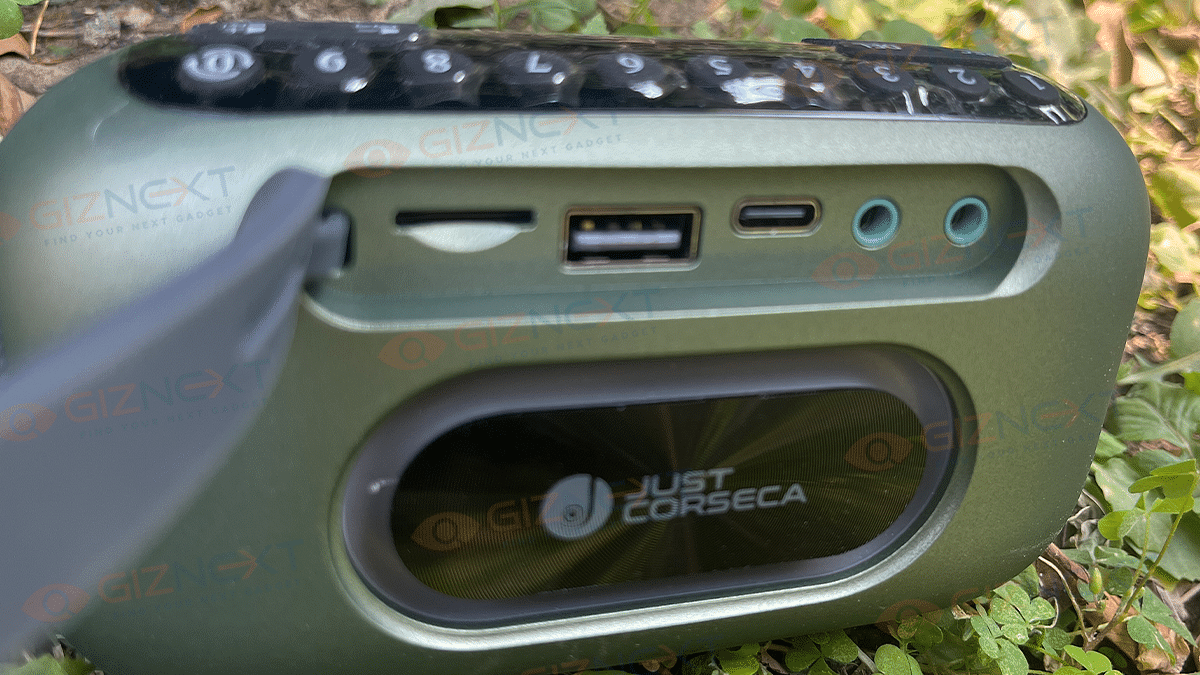
On the back, there’s a snazzy Just Corseca logo with RGB lighting that you can switch up for different vibes. And don’t worry, if you’re not into flashy lights, you can turn them off. All the ports like USB, Charging, Aux-in, and Headphone Jack are neatly tucked away under a waterproof flap.

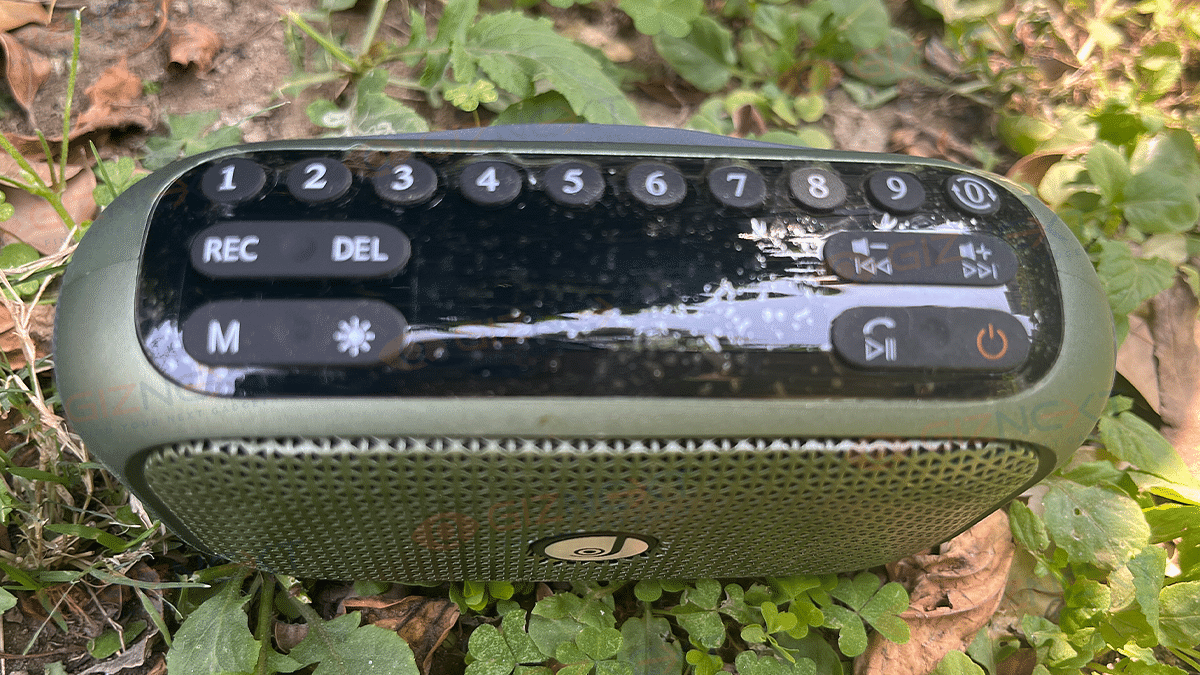
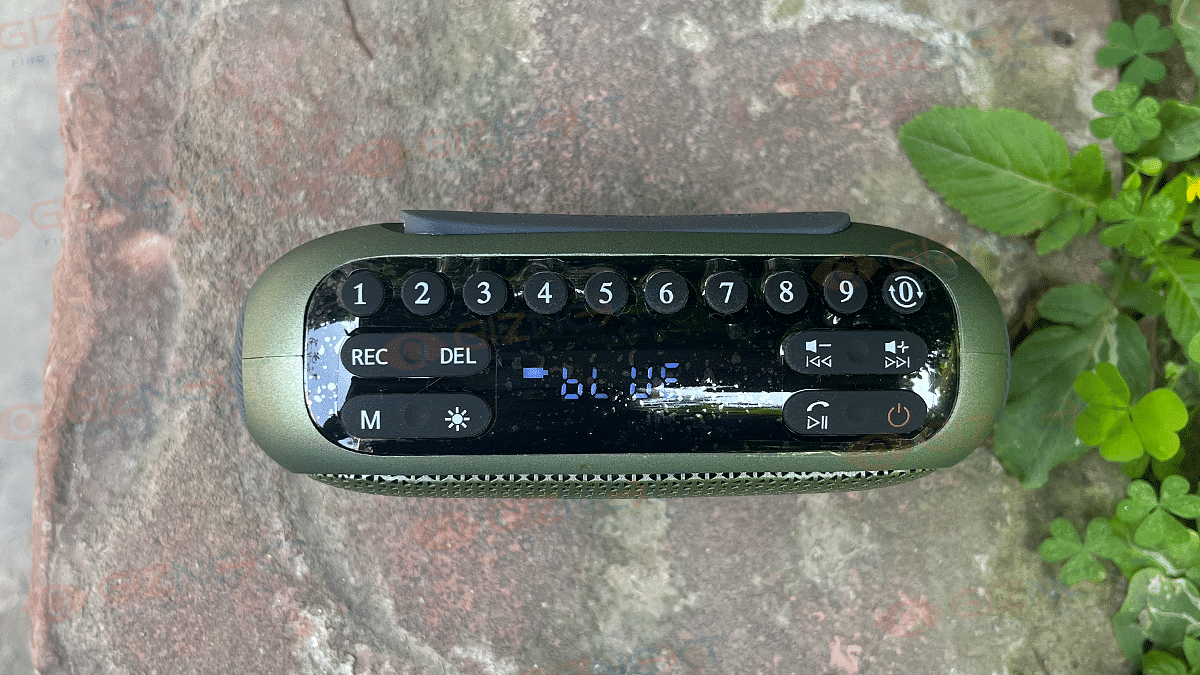
This little guy is super portable and light, so you can take it anywhere. It even charges with a Type-C cable, so you can use your phone charger in a pinch. But wait, there’s more. It’s not just a speaker, it’s a whole entertainment hub. You can play FM radio, select songs from a USB or Micro SD card, and even record your voice or music. And controlling it is easy with the buttons on top for volume, playback, and even hands-free calling.

Oh, and did I mention it’s cute? At just 123x70x45mm and 240g, it’s like the fashion accessory of speakers. Pop it in your bag or sling it on your wrist with the included strap, and you’re ready to rock wherever you go.

Connectivity And Controls

The Sushi Albatross Bluetooth Speaker offers multiple connectivity options. For wireless connections, it’s equipped with Bluetooth V5.0, giving you a range of up to 10 meters. On the wired side, you have AUX, USB, and headphone jack inputs, allowing you to play music from various devices like your phone, pen drive, PC, or Mac. It even supports Voice Recording and FM radio.

To connect via AUX, simply plug one end of the audio cable into the speaker and the other into your device. For Bluetooth, just long-press the Power Button for two seconds to activate Bluetooth Mode, then search for ‘SUSHI ALBATROSS’ on your device and connect. The speaker will confirm connection with a tone. Note that it automatically reconnects to the last paired device, but you can switch to a new one by disconnecting from the original.

To use FM radio, extend the antenna and switch to FM Mode by pressing the Mode button. Hold the Mode button to initiate auto-search, and press it again to stop. Use the Next button to cycle through stations or directly input the station number using the keypad.

For recording, long-press the REC button to start recording (available only with USB/Micro SD inserted), and short-press to stop. The recorded audio plays automatically and is saved onto the USB/Micro SD.

FunctionInstructions
AUX ConnectionPlug one end of the audio cable into the speaker and the other end into your device
Bluetooth ConnectionLong-press the Power Button for 2 seconds
FM RadioPress the Mode button to switch to FM Mode. Use the Next button to cycle stations
RecordingLong-press the REC button to start recording. Short-press to stop
Control ButtonsNumber keys: FM/song selection, Volume/track adjustment, Play/pause, hands-free
PowerPress to turn the speaker on/off

The Sushi Albatross Bluetooth Speaker effortlessly synced up with my iPhone via Bluetooth V5.0, and it held onto a robust signal throughout my home, without any pesky dropouts. I could groove to tunes from various music streaming services on my phone, seamlessly selecting tracks from anywhere in the house without a hitch in the connection.

Also Read | Qubo MagZap Z3 Wireless Charger Review: Functional And Affordable

Sound: Bass And Performance

The Sushi Albatross – a palm-sized compact speaker packing a big punch in sound quality. Despite its small size, this little powerhouse delivers impressive bass that’ll have you tapping your feet. Thanks to its clever design with passive radiators at each end, you get a rich and finely tuned balance of frequencies that’s unexpected from such a compact device. However, the speaker’s wireless range may be limited to approx. 10 meters. Users expecting extended coverage may find this range insufficient, especially in larger spaces or outdoor settings.

Turn up the volume and you’ll still be impressed by the loudness this speaker can muster, reaching levels you wouldn’t believe possible. However, be mindful not to crank it too high indoors, as the higher frequencies can get a bit overwhelming.

Although the speaker includes FM radio functionality, its reception quality may not always meet expectations. Users may experience issues such as poor signal strength or difficulty in tuning to desired stations, particularly in areas with weak radio signals. However, considering its price tag of Rs. 3,999 online and Rs. 2,299 offline, it still holds its own quite well.

Now let’s talk connectivity – this speaker is a champ in the Bluetooth department. Plus, it plays nice with both iOS and Android devices, offering minimal lag for watching movies or videos.

And here’s a bonus feature – alongside Bluetooth V5.0 and a 3.5mm AUX input, it even comes with a Micro SD card slot. While not everyone’s cup of tea, if you’re someone who rocks out with a Micro SD card full of tunes, this speaker has got you covered.

Battery

The speaker boasts a 1800mAh battery, perfectly matched to its compact design. It promises an impressive four hours of uninterrupted music playback, although in my experience, it clocked around three and a half hours. Still, it’s a noteworthy performance. Keep in mind, though, your real-world battery experience may dance to a different tune depending on how you use it.

Giznext’s Final Verdict: Is The Sushi Albatross Worth Your Investment?

The Sushi Albatross offers great sound quality considering its affordable price tag. It’s solidly constructed, equipped with FM radio, voice recording capabilities, and all the necessary input ports. Plus, it comes with extra features like RGB lighting and a convenient carrying strap, making it a well-rounded package.

Despite its compact size, this speaker packs a punch with impressive bass and delivers sound that surpasses expectations. While the price may have gone up a bit, it’s still a fantastic value for a portable Bluetooth speaker, offering strong performance that won’t disappoint.

Also Read | Mivi Octave 3 Bluetooth Speaker Review: Just Another Face In The Crowd?

Categories
Featured Mobile Reviews

Lava Blaze Curve 5G Review: Setting New Standards For Budget Smartphones?

Key Highlights

  • 3D curved FHD+ AMOLED display
  • 6.67-inch 120Hz display with Widevine L1 support
  • No bloatware, no Ads
  • Stereo speakers with Dolby Atmos
  • Free service @ home

When Lava made its comeback in the Indian market, many doubted its success against the dominance of Chinese smartphones. However, today’s landscape has shifted, with Chinese brands competing in higher price brackets. In this scenario, Lava introduces the Blaze Curve 5G, taking a more modest approach compared to its rivals.

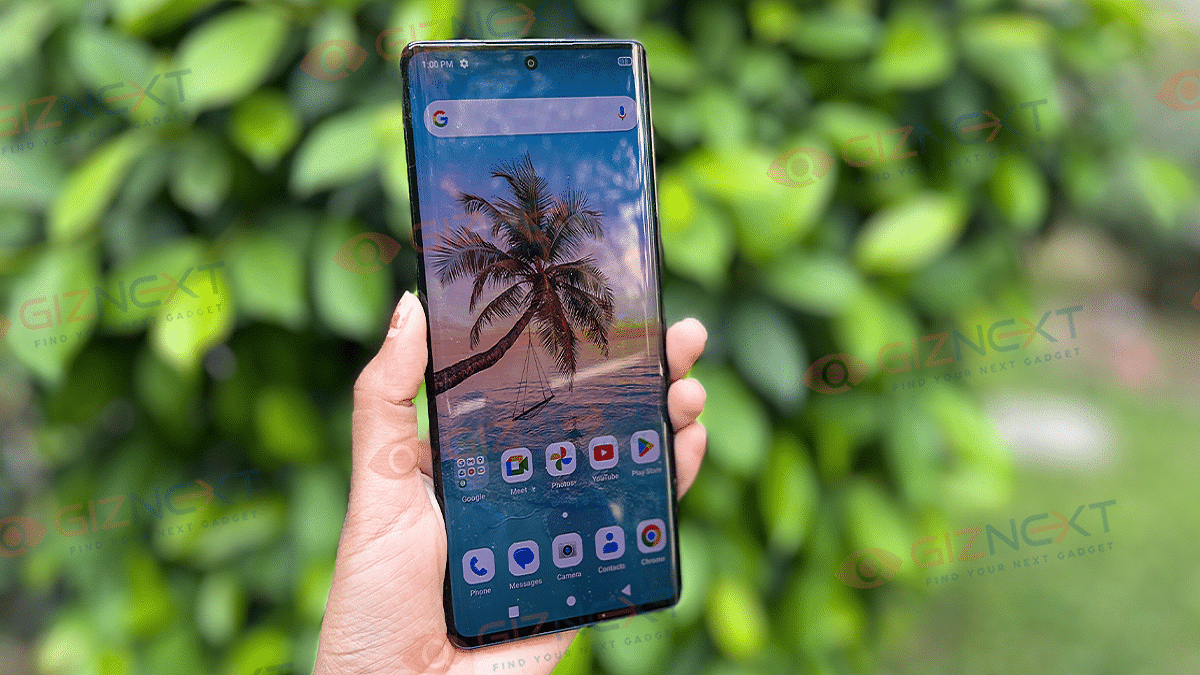
Priced below Rs. 18,000, this new addition to the Blaze series not only impresses with its design but also offers stock Android without any unnecessary pre-installed apps, a rarity in its price segment. After more than a week of testing, it’s evident that the Blaze Curve 5G is a strong contender, particularly as it represents a homegrown brand. However, every phone has its flaws. Now, the question arises: Could Lava’s new-entry wear the crown for budget smartphone champion of 2024? To find out, let’s delve into the review of the Lava Blaze Curve 5G. Also Read | OPPO F25 Pro Long Term Review: A Performance-Oriented Mid-Ranger

ProsCons
Curved display, sleek designLimited outdoor visibility in sunlight
Stock Android experienceSlightly dated software
Long-lasting battery 

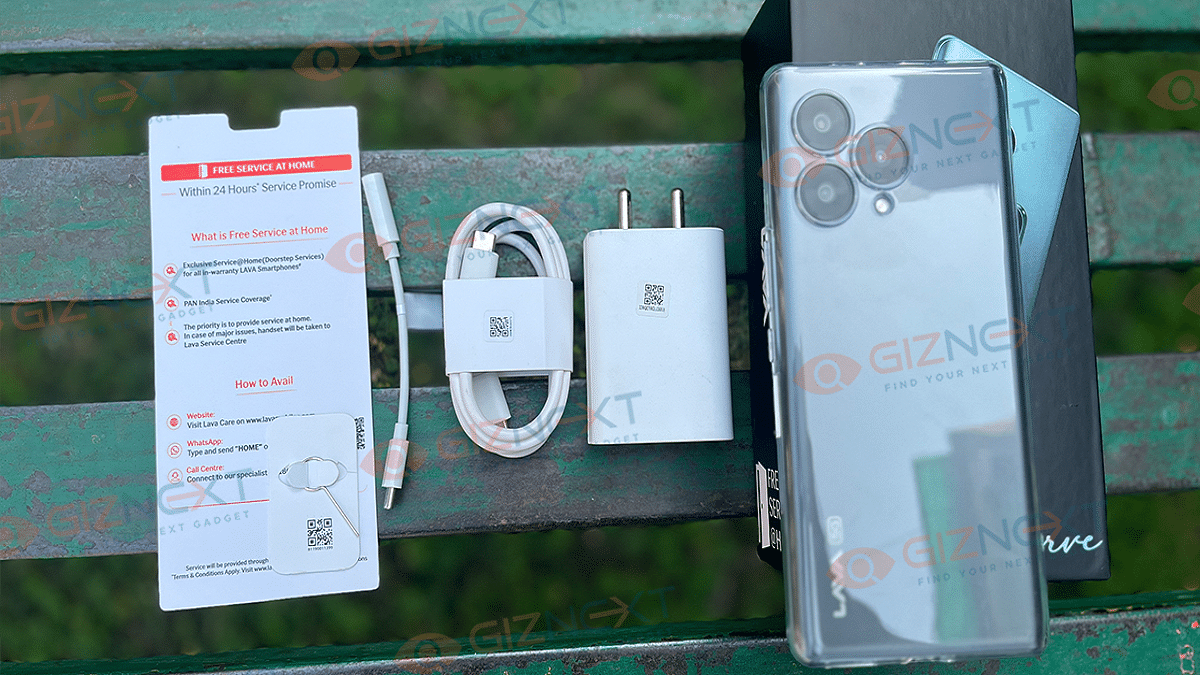
What’s Inside The Box?

Lava Blaze Curve 5G Box Content
  • Lava Blaze Curve 5G handset (Iron Glass)
  • Charger
  • Data cable
  • SIM ejector pin
  • Service leaflet
  • Back cover
  • C to 3.5mm jack

Design: A Touch Of Elegance

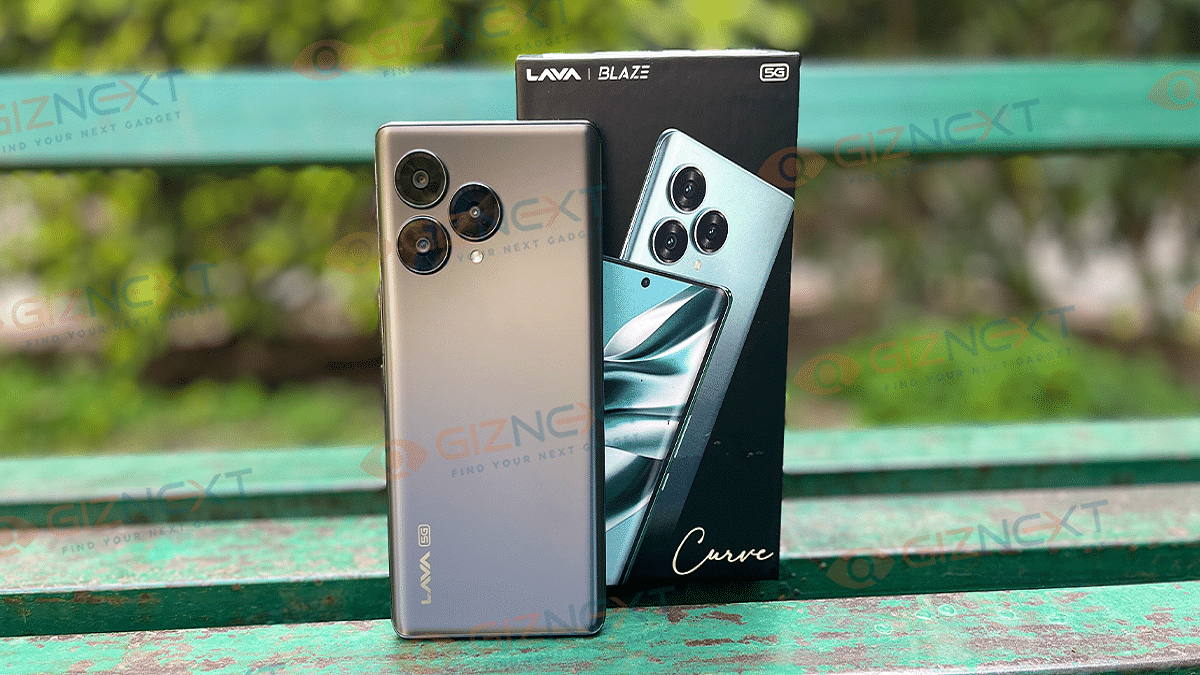
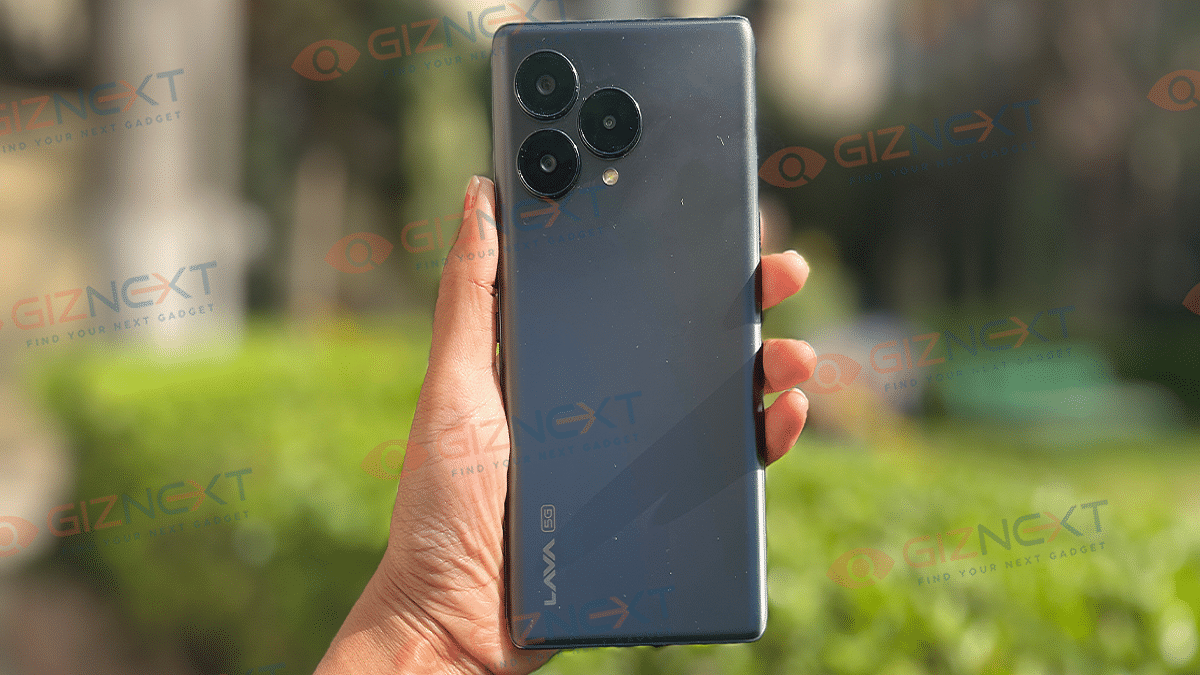
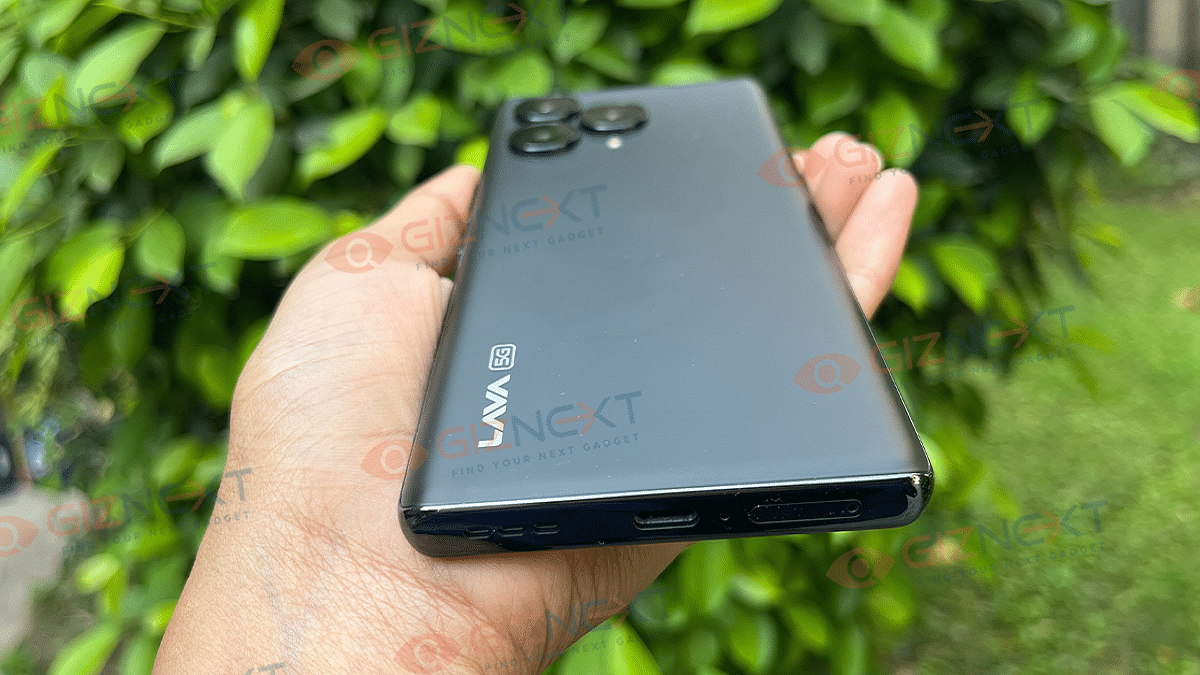
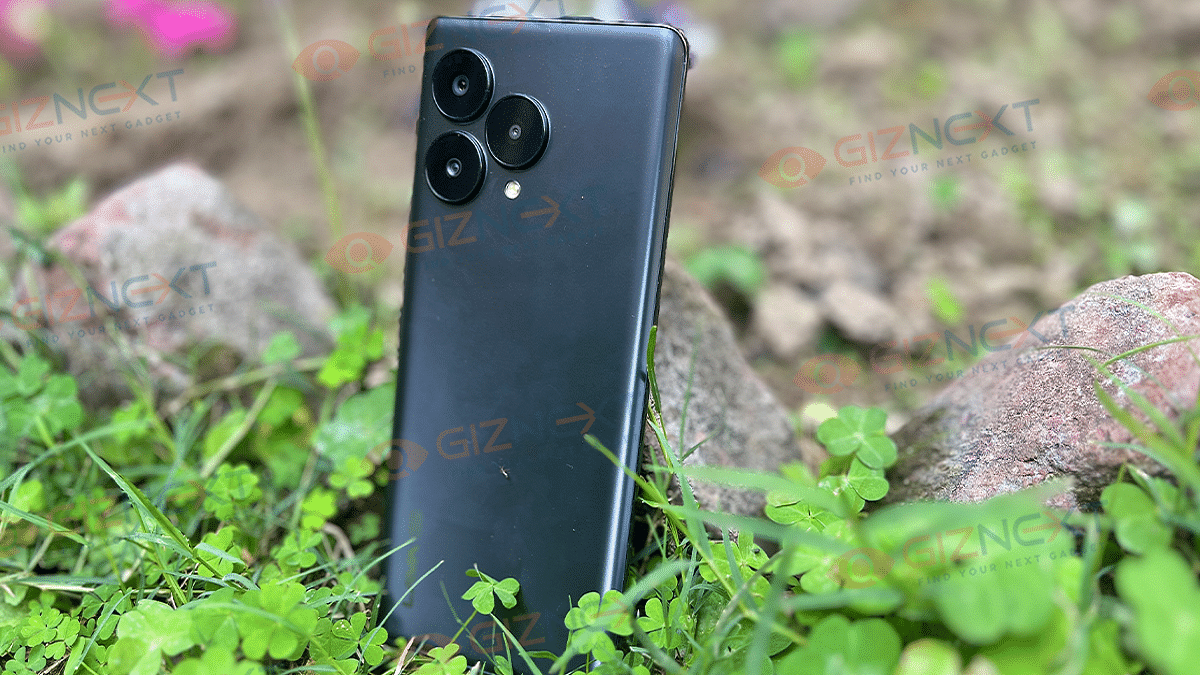
From the moment I unboxed it, the design of the Lava Blaze Curve 5G has consistently impressed me. It displays a premium feel that surpasses even pricier phones. This is largely thanks to two standout features: the curved AMOLED display, which is a rarity in this price range according to Lava, and the matte-finish back glass. Not only does this panel look sleek, but it also keeps away fingerprints and smudges, albeit making it a tad slippery to grip. Moreover, the device is available in two sophisticated colors: Iron Glass and Viridian Glass. I got the former variant for the review.

The weight distribution is well-balanced, avoiding any top-heaviness. I commend Lava for opting for a subtle and minimalist design approach with the finish and color choices, a refreshing departure from the flashy finishes commonly found in this segment.

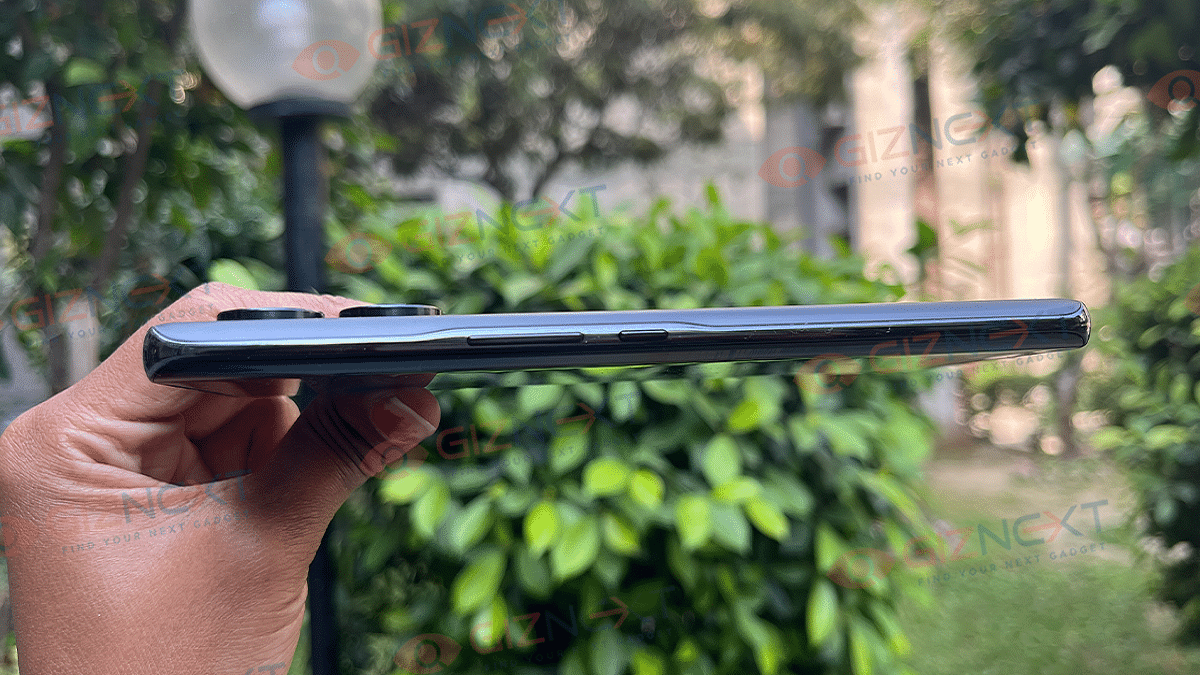
The placement of the power button and volume rockers along the right side of the phone ensures easy access without requiring finger frowns. In terms of connectivity, the handset features a USB Type-C port at the bottom for charging and data transfer, alongside the speaker grille. Up top, the speaker’s like a mini concert maker, giving you stereo sound for fun times. And for keeping your phone safe, there’s a fingerprint scanner hiding in the display.

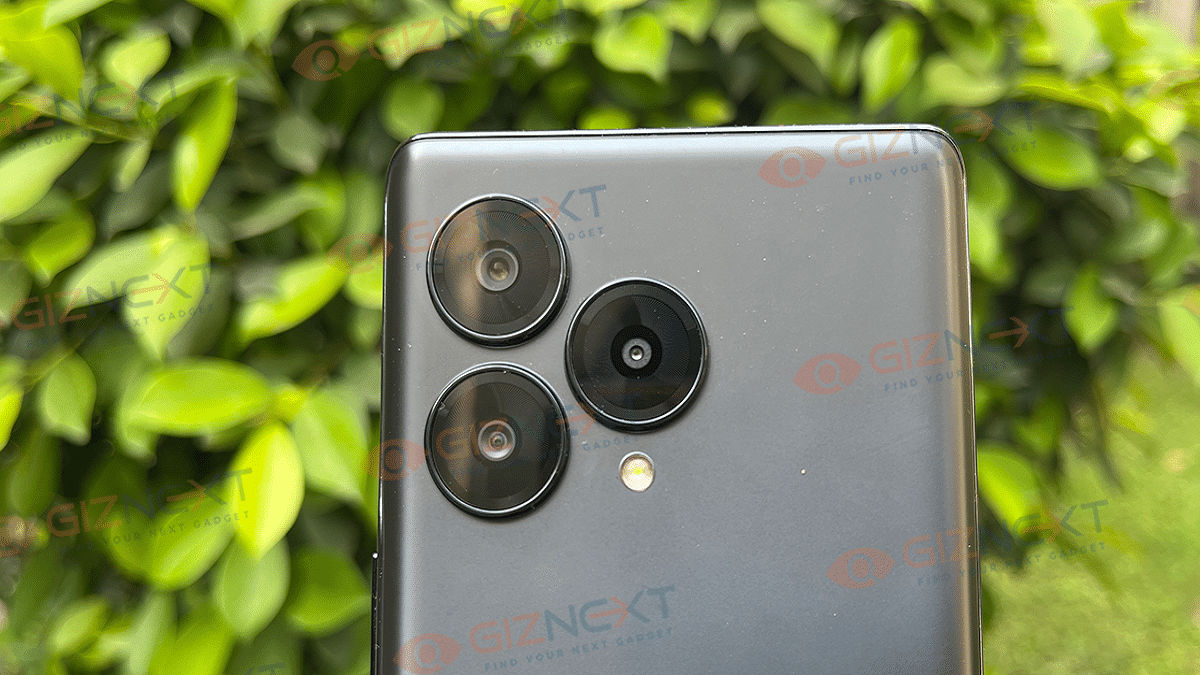
Turning to the camera module, the device boasts three different camera cutouts accompanied by a flash module. The circular design within the camera modules, coupled with the curved back merging effortlessly into the frame, lends the Curve 5G an aura of luxury and sophistication. While aesthetics are subjective, it’s safe to say that the Curve 5G stands out as one of the most visually appealing phones in the sub-20K segment.

Display: Vibrant Visuals

As the name suggests, the smartphone comes with a 6.67-inch FHD+ 120Hz Curved HDR10+ AMOLED display, shining bright with a peak brightness of 800 nits. Users even get a 120Hz option to lock the refresh rate. In our daily use, the display proved vibrant and colorful, perfect for enjoying content. While it may not be the most color-accurate, it nails what most users love: bold and lively visuals. Yet, the curved design has a tiny downside – sometimes it registers accidental touches on the edges.

Plus, the device supports Widevine L1, letting users binge-watch their favorite shows in top quality. But alas, outdoor visibility takes a hit. With limited brightness, it struggles in sunlight, urging us to seek shade for phone use.

Performance: A Smooth Sail Through Daily Tasks

The Lava Blaze Curve 5G impresses with its MediaTek Dimensity 7050 SoC, 8GB RAM, and either 128GB or 256GB storage. But watch out, as there’s no microSD card slot, so plan your storage needs wisely.

Using this smartphone daily is a breeze. It smoothly handles browsing, scrolling, and multitasking without a hitch. Even light gaming is a pleasure, with titles like Call of Duty and BGMI running smoothly at moderate graphics settings. While it does warm up a bit during gaming sessions, it’s nothing alarming for a non-performance-focused phone.

But what truly shines is its software. Running a clean, bloatware-free version of Android 13, it’s a breath of fresh air. It feels far from a budget device, especially with the silky-smooth 120Hz refresh rate. The only downside? The software update schedule could be better, with an expected Android 14 update in June and two years of total updates, stopping at Android 15. It would’ve been nice to see it launch with Android 14 pre-installed.

Also, a standout feature is that Lava offer free home service during the warranty, so any problems with the phone can be fixed quickly.

Also Read | Moto G04 Review: Is Motorola’s Latest Budget Phone Worth Your Bucks?

Camera: Capturing Moments, With Some Drawbacks

Before we dive deeper, let’s talk about the camera setup on the Lava Blaze Curve 5G. It packs a 64MP main camera, an 8MP UltraWide lens, and a 2MP macro camera. However, the overall camera performance is just okay. While it takes decent photos during the day, it falls short in some areas.

In daylight, the main camera captures photos with good detail, vibrant colors, and a decent dynamic range. But sometimes, it tends to overexpose objects. This isn’t uncommon for phones in this price range. The ultrawide lens provides a wide view but lacks sharpness and suffers from color distortion. The macro camera doesn’t impress much either.

In low light, the camera struggles, making it not the best choice for photography. On the bright side, the front camera, with its 32MP sensor, takes good selfies with accurate skin tones and decent detail. It also does well with portraits, providing a nice depth effect.

But there’s a noticeable shutter lag when taking photos, which can be frustrating. Videos from the main camera are sharp and stable in daylight but lack detail at night. Software updates could potentially improve the camera performance.

In short, while the Lava Blaze Curve 5G has potential, there’s room for improvement in its camera performance through software updates.

Battery: Endurance Tested

The Lava Blaze Curve 5G packs a heavy 5,000mAh battery. When fully recharged, it easily lasts a full day for most users. Plus, it supports 33W fast charging, which is a lifesaver when you’re in a hurry. It can juice up the battery in just 80 minutes. And kudos for including a USB-C to USB-C cable, keeping up with the trend away from the older USB-A port type. During my usage, I found it can offer over five to six hours of screen-on-time, though it does get a bit warm while charging.

Giznext’s Final Verdict: A Budget Gem Or A Missed Opportunity?

After exploring every aspect of the Lava Blaze Curve 5G, it’s clear that Lava has launched a great contender in the budget smartphone arena. Priced at Rs. 17,999, it offers a sleek design, stock Android experience, and decent performance. While the camera setup and outdoor visibility could see improvements, the device excels in everyday use and battery life, lasting a full day with ease. With its premium feel and solid features, the Blaze Curve 5G emerges as a strong competitor in its price segment, potentially competing for the title of budget smartphone champion of 2024.

Also Read | Realme Narzo70 Pro Quick Review In Five Points: The Pros And Cons!

Categories
Featured Mobile Reviews

Realme Narzo70 Pro Quick Review In Five Points: The Pros And Cons!

Pros

  • Premium design language comprising glass back
  • Vivid display with high brightness suitable for outdoor
  • Powerful Sony IMX890 camera sensor
  • Quick charging compatibility

Cons

  • Bloatware in UI
  • Slightly thicker bezel profile

Realme today expanded its affordable Narzo lineup in India with the Narzo 70 Pro. We have seen a consistent improvement with this mid-range lineup and seems like Realme is taking now taking leaps with new innovations. The Narzo 70 Pro 5G with a price range under Rs. 30,000 brings a promising feature-range to the table. Take for instance, its super bright AMOLED screen, AI-backed advanced camera hardware, and SuperVooc fast charging supported battery. The Narzo 70 Pro seems to pack necessary punch for an all-round performance. If you are planning to buy this handset anytime soon, make sure you go through this quick review before sealing the deal.

Also Read: OPPO F25 Pro Long Term Review: A Performance-Oriented Mid-Ranger

Pros

Trendy Design

Realme surely has designed a premium looking handset which doesn’t cost a fortune. The glass back of the Narzo 70 Pro gets dual tone shade featuring a round camera module at the center top. Combined with the flat frame design, this handset’s design also gets the ergonomics correct. It offers a good hold and grip. But since it’s a glass back it might feel slippery in sweaty palms.

Super Bright AMOLED Screen

The Realme Narzo 70 Pro has one of the best-in-class screens which has high brightness levels suitable for outdoor usage. It equips a big 6.7-inch AMOLED screen supporting an FHD+ resolution and 120Hz refresh rate. There is also an HDR10+ certification for an enhanced viewing with OTT and other online platforms. We found the panel’s touch feedback smooth and the overall responsiveness is also impressive. There is an integrated in-display fingerprint scanner which has been quick and accurate during our initial testing. The 2000 nits peak brightness level makes outdoor visibility less straining, while the vivid output is a delight for both gamers and entertainment buffs.

Potent AI Camera Hardware

Realme has been enhancing the photography experience with each new Narzo series model. The Narzo 70 Pro 5G has also received its share of upgrade and offers a potent triple rear camera hardware backed by a flagship Sony sensor. The 50MP Sony IMX890 primary camera with an f/1.88 aperture and OIS captures super clear shots. Accompanying this flagship main lens is an 8MP ultra-wide sensor with 112° FoV and a 2MP macro sensor. The selfie snapper offered by the Narzo 70 Pro is a 16MP lens. We have currently tested the Narzo 70 Pro briefly and can say it delivers a good photography experience for its budget. We will be discussing the camera performance throughly in the long term review.

Fast Charging

Powering up the Narzo 70 Pro 5G is a 5,000 mAh battery that gets 67W SuperVooc fast charging support. This setup stores sufficient fuel to drive the handset through almost a day but with basic to moderate usage. For the instances where usage is extensive and backup required is quick, the 67W SuperVooc fast charging will address the concerns. We haven’t tested the battery to its full potential yet, but got a good feedback with the initial test runs.

Also Read: Realme 12+ 5G Review: Your Gateway To Flagship-level Features At An Affordable Price

Cons

No Processor Upgrade

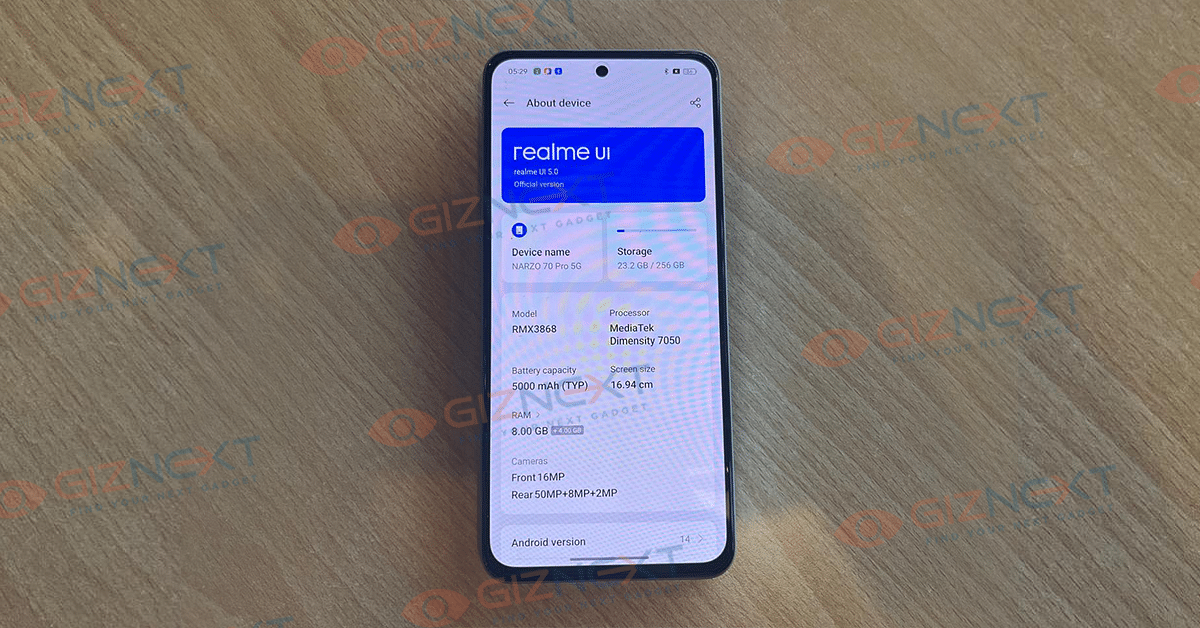
The reason Narzo 70 Pro 5G’s processor gets tagged in the cons’ list is the old Dimensity 7050 chipset borrowed from its precursor, i.e., the Narzo 60 Pro. While the chipset is carried forward from the older-gen model, the performance delivery isn’t much different either. The Narzo 70 Pro has shown efficient speed delivery overall while performing extensive tasks. Gaming has also been a decent experience until now. You can opt from a single 8GB RAM option and dual storage variants including 128GB and 256GB. Out initial testing suggests the Narzo 70 Pro is also decent with handling multitasking which we have seen with the previous-gen model too.

Conclusion

The Narzo 70 Pro is Realme’s solid bet in the mid-range segment; specifically under Rs. 25,000 category which is most crowded. With the base model priced at Rs. 19,999, and the top model priced at Rs. 21,999, the Realme Narzo 70 Pro 5G is a reasonably priced 5G phone. Besides, our initial impressions have been fairly good and we expect this phone to be best suited as a daily driver. However, we are coming up with the detailed review soon where we will discuss the daily performance aspects in a longer run.

Categories
Featured Mobile Reviews

OPPO F25 Pro Long Term Review: A Performance-Oriented Mid-Ranger

OPPO logged its name in the list of top players in the global mobile industry. The Chinese OEM has multiple Android smartphone lineups targeting different consumer segments. The fairly new OPPO F series is designed specifically for the mid-range consumers and has been receiving a good response all this while. OPPO is transforming this series with future-ready models and the latest entrant in this race comes in the form of the F25 Pro which debuted this month itself in the country.

The OPPO F25 Pro comes in two variants with the base model featuring 8GB RAM + 128GB storage priced at Rs. 23,999. Whereas, the top model with 8GB RAM and 256GB storage costs Rs. 25,999. With the sub Rs. 30,000 segment flooded with some of the advanced models, does the F25 Pro makes a cut? At Giznext, we reviewed the F25 Pro’s daily performance with a variety of tasks and here’s what we think:

Also Read: Vivo V30 Pro Long Term Review: Camera Versatility Grabs Limelight

Pros

  • Vivid and smooth screen visuals
  • Good daylight camera performance
  • Good battery backup
  • Slim form factor and good grip
  • IP65 certified body

Cons

  • Single RAM option
  • Bloatware in UI
  • Display lacks Widevine L1 support

OPPO F25 Pro Review: Design

OPPO has been showing a solid expertise with smartphone designing which isn’t limited to the premium but also affordable and mid-range units. With the F25 Pro too, OPPO has taken all the necessary aspects into consideration and crafted an appealing phone meeting modern day standards.

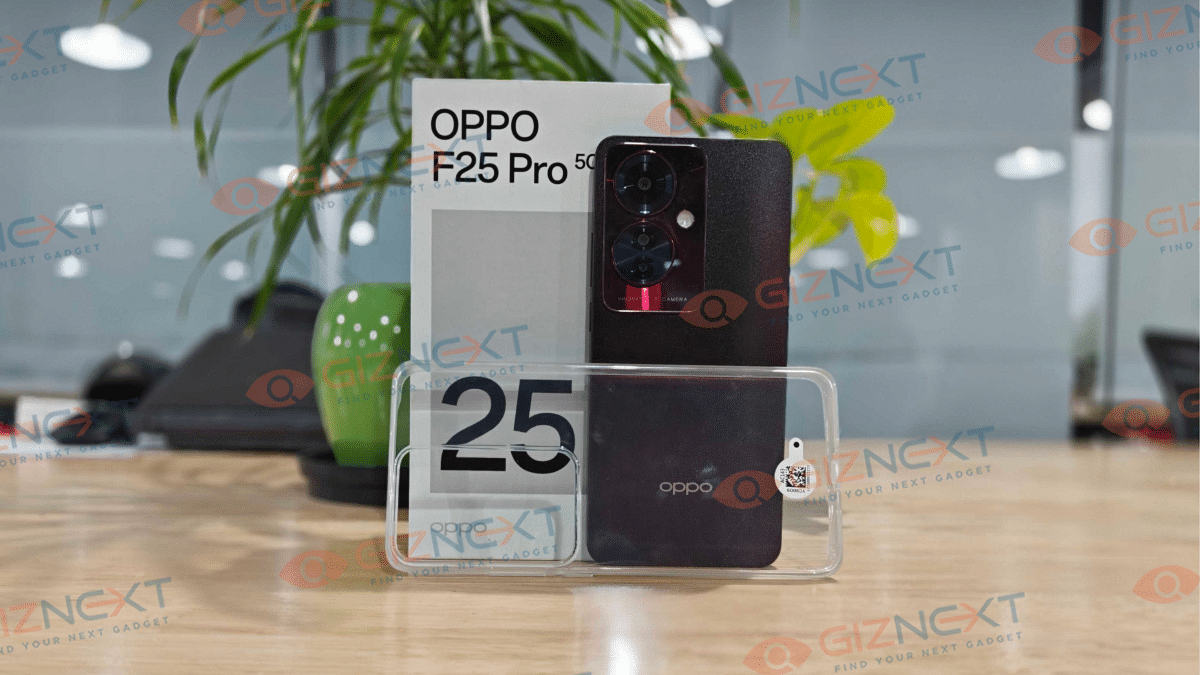
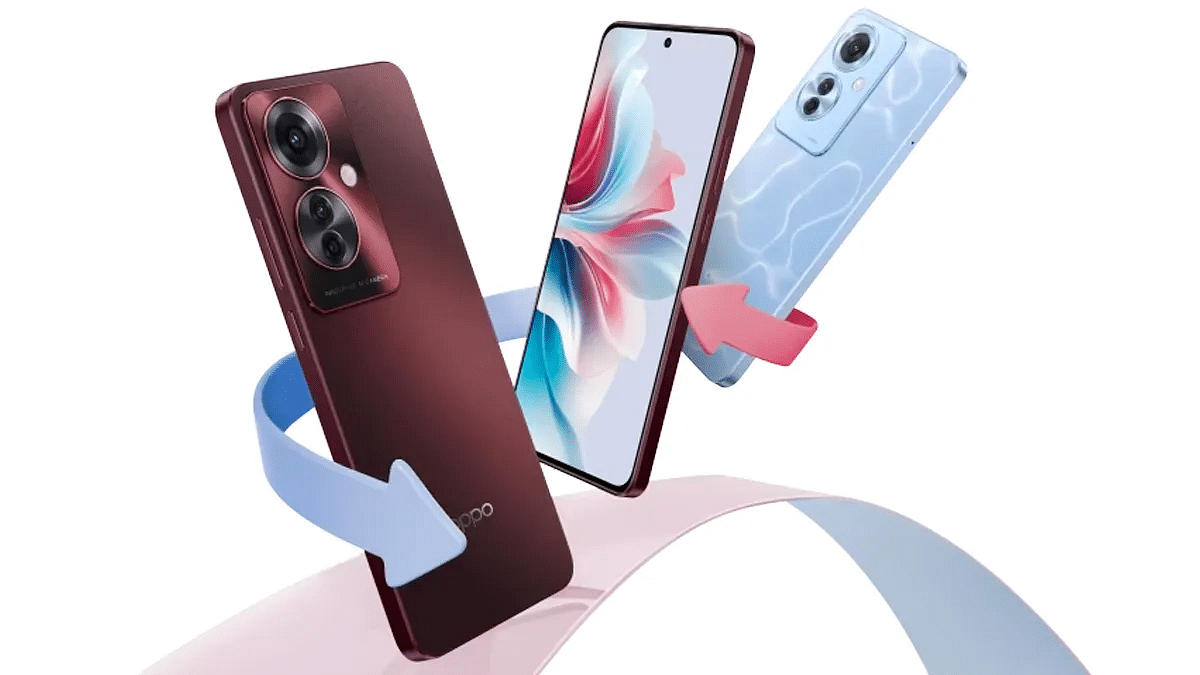
The OPPO F25 Pro gets a flat boxy yet slim profile with which it offers a comfortable user grip. The phone features just 7.44mm thickness and weighs around 177 grams. You won’t find the unit being bulky unless you add on an external case. You can opt for the OPPO F25 Pro in dual shades including Lava Red and Ocean Blue.

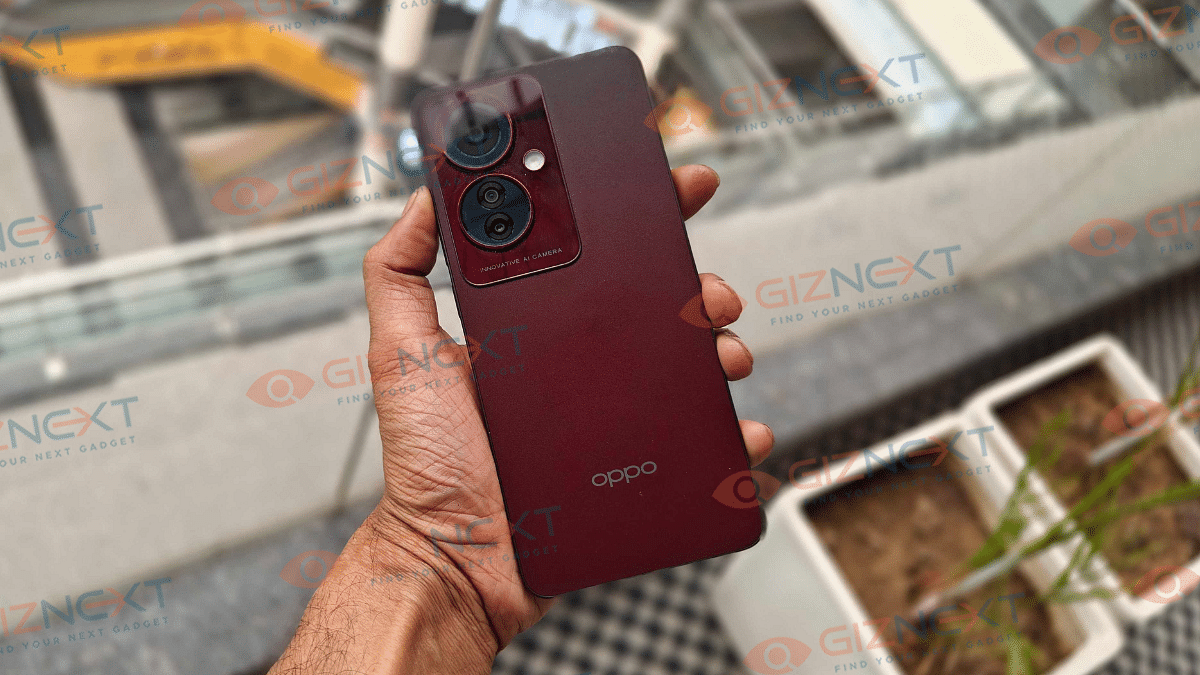
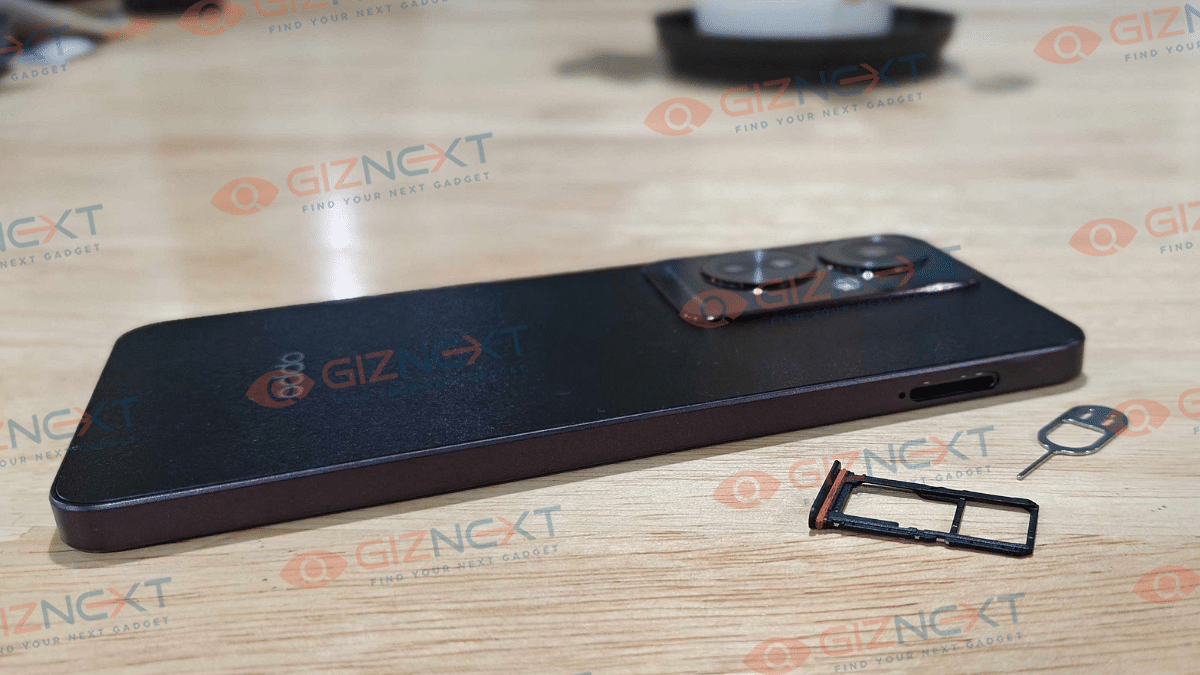
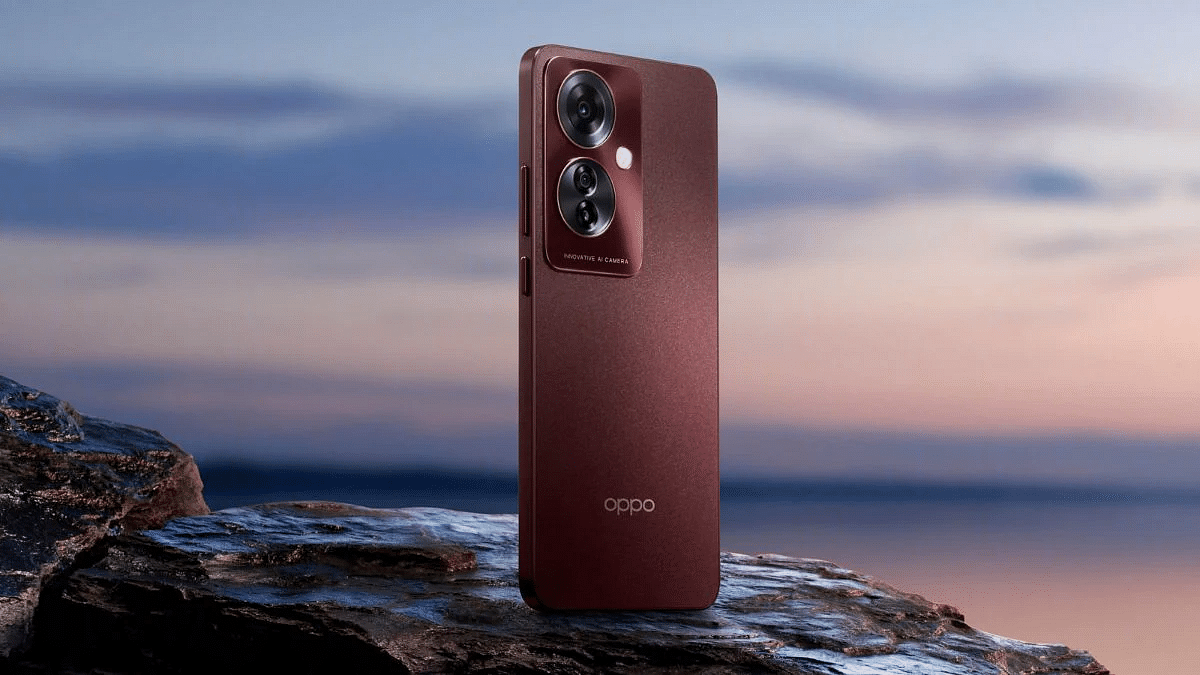
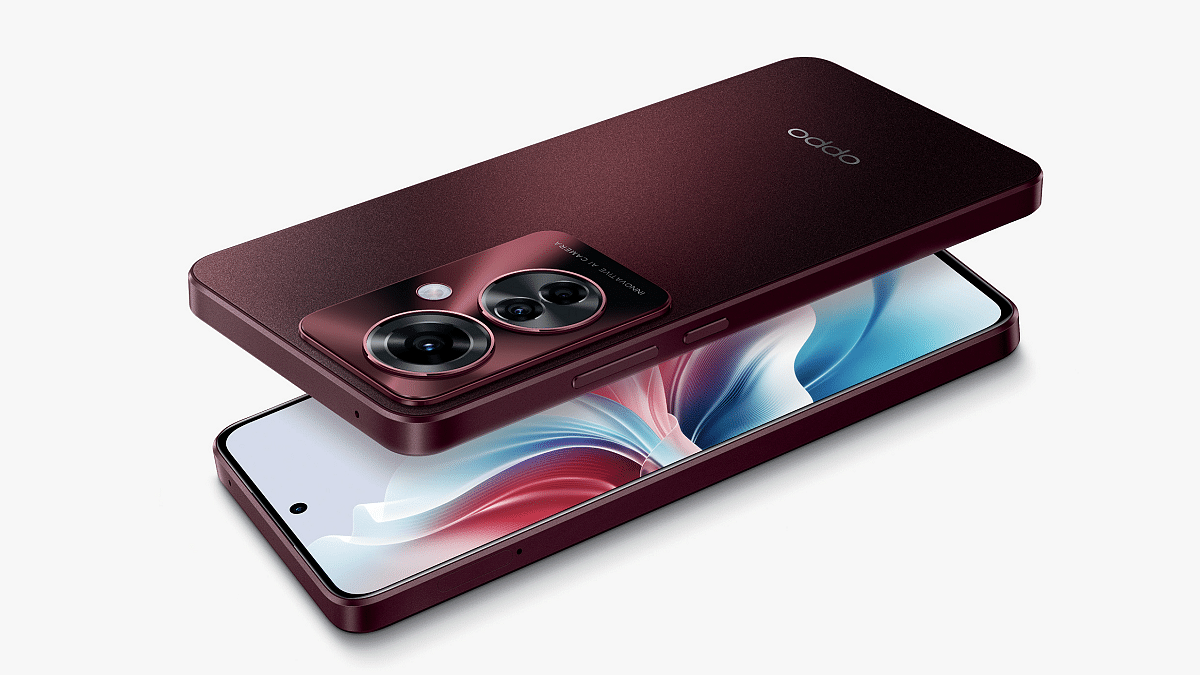
We got to test the Lava Red variant which offers a mix of dark red and burgundy tones when exposed to different light angles. The rear surface produces a shimmering effect but isn’t prone to picking up dust and fingerprints. This did impress us as keeping the phone clean and flaunting it without a cover becomes easier.

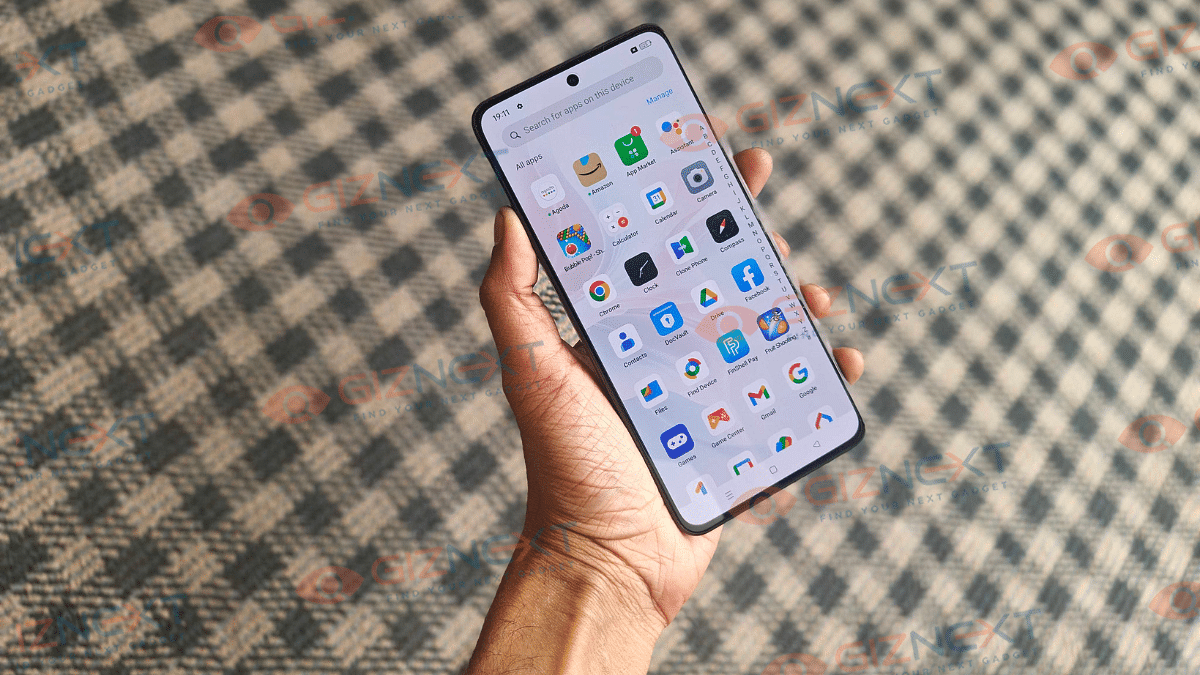
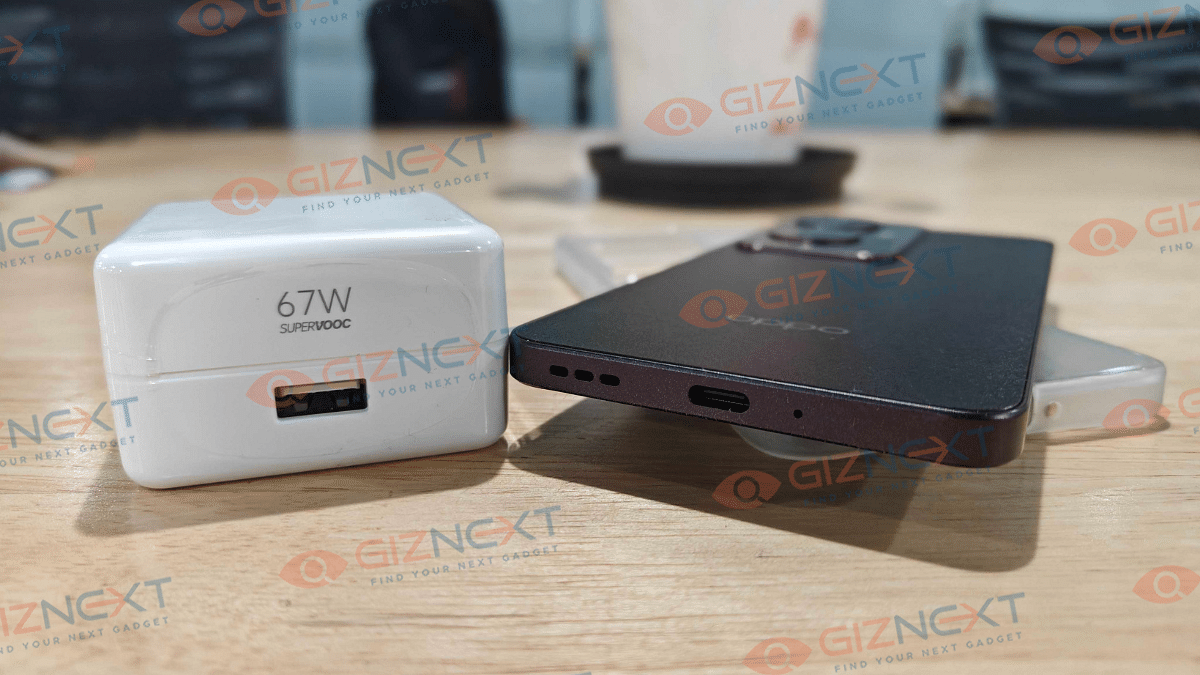
The phone’s premium design is complemented by a large rectangular camera module positioned on the top-left housing dual camera rings. Next up is the placement of the keys and ports where you get the standard positioning of the volume and power keys on the right panel. The SIM card tray is located on the left panel and the Type-C port, speaker grille are placed on the bottom panel.

Holding the OPPO F25 Pro feels premium and the IP65 certification adds additional protection from dust and water splashes. So, outdoor usage specifically in bad weather conditions doesn’t come as a big concern with the F25 Pro.

Also Read: Vivo X100 Pro Review After One Month Use: Truly Redefines Smartphone Photography

OPPO F25 Pro Display Review

Upfront, the design is straightforward. A punch-hole cutout for the selfie camera is mounted at the centre-top of the screen and the bezel-profile is also ultra-slim on all corners. The flat frame design is adequate for consumers who aren’t a big fan of curved-edged displays.

The panel used by the OPPO F25 Pro is AMOLED with the screen size being 6.7-inch. Now, despite this tall display, the F25 Pro fits easily in the palms. Operations with a single hand is easy when its for basic web browsing and app usage. For gaming and other extensive tasks only you would need to use both hands.

Supporting an FHD+ resolution of 1080 x 2412 pixels and 120Hz dynamic refresh rate, the visual clarity is of high levels. The AMOLED panel of the F25 Pro produces clean and crisp content which allows us to binge watch shows and movies. The experience with viewing content on OTT platforms is further refined with the HDR10+ certification and 2160Hz PWM dimming features.

We tested the display’s performance with multiple such platforms including the top shots such as Netflix, Disney+ Hotstar, and others. The output kept us hooked to the screen. The same has been the case with gaming as the screen remains responsive while displaying actions. No display lag is noticeable with heavy games and you can easy tune to the moderate as well as highest settings.

Also Read: Moto G04 Review: Is Motorola’s Latest Budget Phone Worth Your Bucks?

OPPO F25 Pro Review: Performance Overview

The OPPO F25 Pro equips a 6nm octa-core Dimensity 7050 chipset. MediaTek’s mod-range SoC on the F25 Pro brings along 5G capabilities and speedy performance. Now, level of expectations weren’t super high before we used this handset. However, the F25 Pro surprisingly packs solid punch despite getting its power from a mid-range MediaTek chipset.

Using the phone for basic tasks has been a good experience overall. We can easily say the same for multitasking as well operations that require potent hardware. With up to 8GB of physical RAM and an additional 8GB Dynamic RAM, the F25 Pro handles all operations smoothly. If you are amongst those users who are dependent on mobiles for variety of day-to-day tasks, you wouldn’t be disappointed.

This device handles all such tasks quite efficiently with least of lags experienced. Be it app launch speed or switching between the ones running in background, there is no delay encountered. As for the storage space, the F25 Pro has dual options including 128GB and 256GB.

After selecting the variant depending on your requirements, you can further expand the storage using an external microSD card. It offers a 3-way SIM slot supporting dual SIM cards and one microSD card (up to 2TB). It’s good to see that this mid-range Android phone still retains this setup instead of a hybrid SIM slot which is being preferred by majority of the brands in this segment.

The OPPO F25 Pro boots on the Android 14 OS that has a Funtouch OS 14 UI layered on top. While OPPO has made several advancements to the UI, it still doesn’t come entirely free of bloatware. This could come a bummer for the masses who are bent towards using a cleaner UI. Thankfully, most of the pre-installed bloatware can be uninstalled manually and the app drawer’s clutter can be removed.

Also Read: Realme 12+ 5G Review: Your Gateway To Flagship-level Features At An Affordable Price`

OPPO F25 Pro Review: Battery Backup

The OPPO F25 Pro becomes a complete package with the beefy 5,000 mAh battery capacity. This phone has provided backup of almost one full day on a single charge. However, its only if you use this handset moderately.

Take for instance, basic web browsing and social media app usage along with light gameplay. With this much of usage, the backup would be over 10 hours easily. But if your mobile usage is extensive, you might need a re-plug towards the end of the day.

The F25 Pro features 67W fast charging with which it gets a complete re-charge from 0-100 percent in less than two hours (1 hour 35 minutes approx.). While this speed is decent, we would have appreciated a slightly higher charging speeds.

Also Read: Moto G04 Review: Is Motorola’s Latest Budget Phone Worth Your Bucks?

OPPO F25 Pro Review: Camera Performance

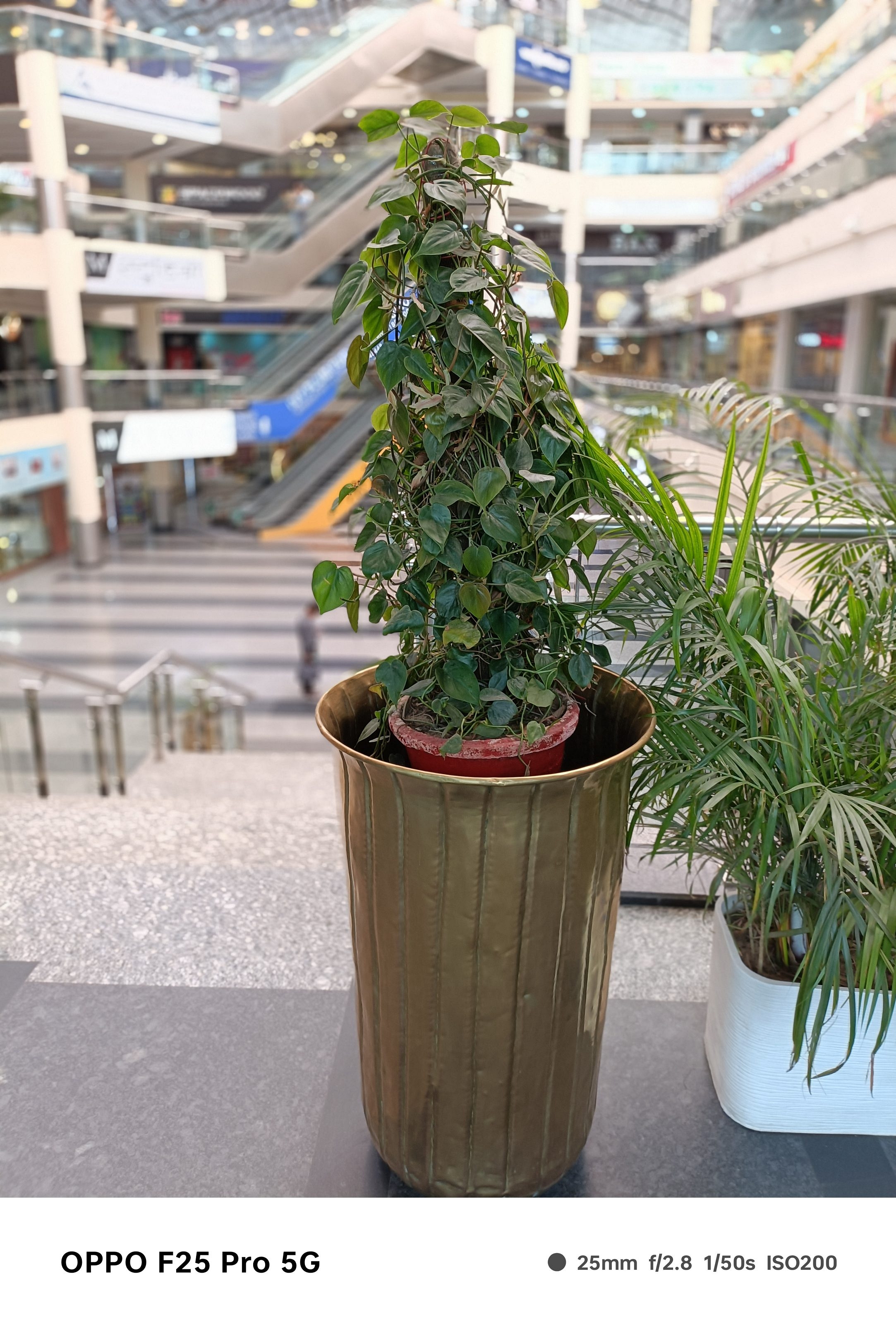
Before we proceed on to the camera performance, let’s first take a quick look at its hardware. The primary camera hardware on the OPPO F25 Pro includes triple sensors. Primary sensor is a 64MP OV64B sensor with an f/1.7 aperture and 25mm focal length. The secondary sensor is an 8MP Sony IMX355 lens with an f/2.2 aperture and 112° FoV (Field of View) which further gets paired up with a 2MP lens for close ip macro shots.

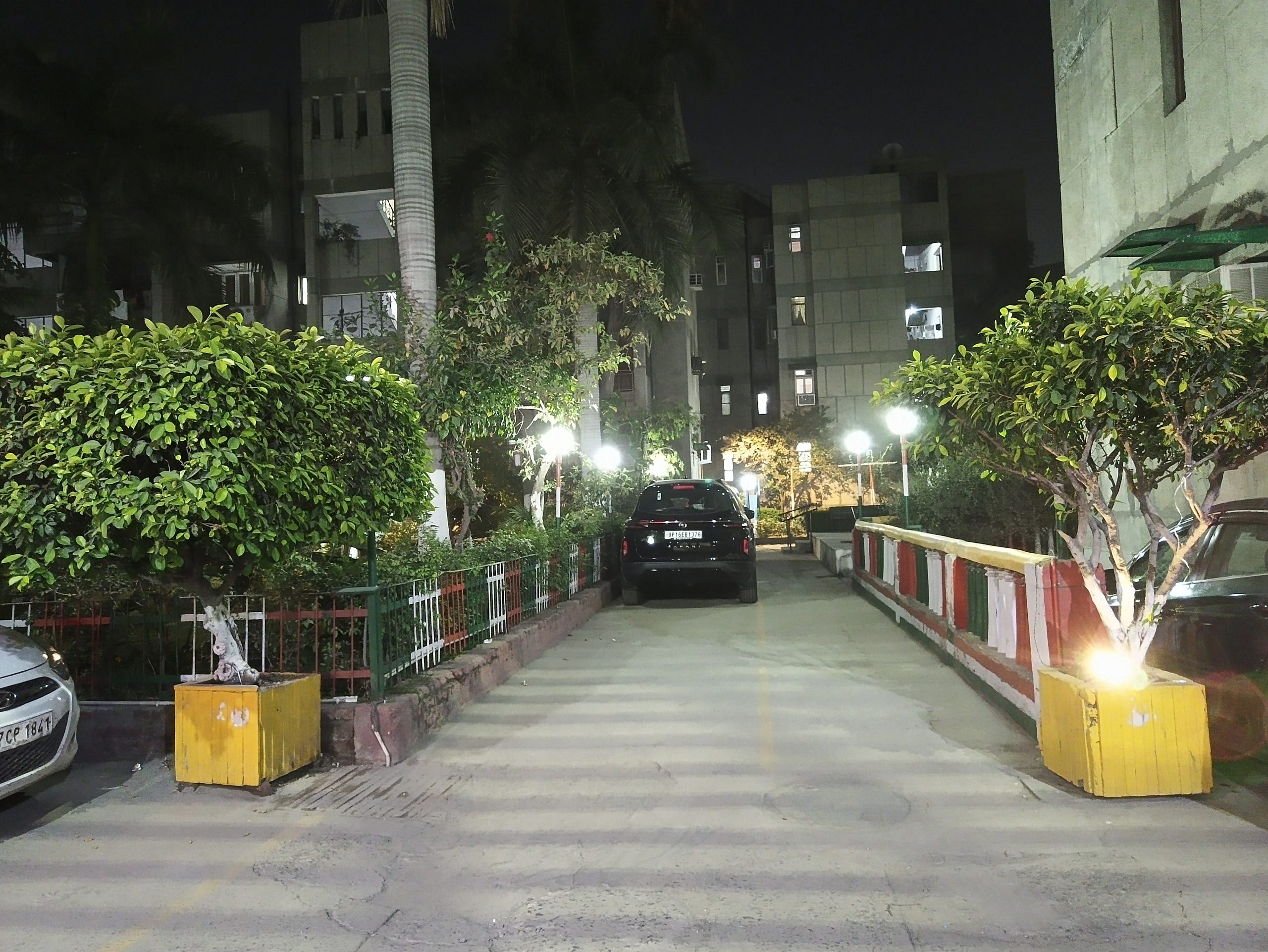
Cameras on the OPPO F25 Pro have offered a mixed package overall. The setup is potent enough to capture details with the shots that have well-lit backgrounds. Specifically, the larger primary sensor can click high-res photos while cutting down on the unwanted noise.

The AI does a good job with image processing. You might encounter the images going subtly oversaturated at times but the quality doesn’t seem inferior. For wide angle shots, the OPPO F25 Pro’s dedicated ultra-wide-lens does its job fairly well.

The output while capturing landscapes is good overall with the subjects getting properly highlighted in the frame. Color saturation as mentioned earlier tends be on the higher side by default. Portrait photography is also decent with the background blurs appearing natural. While it isn’t the best of the portrait shots you get with the F25 Pro, the overall quality isn’t disappointing either.

Also Read: Oppo Reno 11 5G Smartphone Review: Is The Stylish Design Backed By Performance?

Final Verdict: Should You Invest?

Well, if your requirements is a mid-range phone which is capable to perform daily tasks and offer a consistence performance, the F25 Pro makes worth the cut. This phone is reliable and efficient at the same time which is one of the primary criteria for a good mid-tier handset. Besides, the asking price range under Rs. 25,000 for a 5G phone which can deliver an all round performance gets our expert recommendation.
Categories
Featured Mobile Reviews

Vivo V30 Pro Long Term Review: Camera Versatility Grabs Limelight

Vivo as a top contender in the smartphone industry has been creating its niche in different categories with its dedicated lineups. In the premium mid-tier segment, the Vivo V series has been the brand’s strongest bet. It is one of those series which Vivo has been upgrading proactively with new models. Within a short span of just six months of the V29 Pro has received its successor in the Indian market. Called the V30 Pro, the latest V series handset also brings along a promiscuous camera hardware, unique design, and a price range under Rs. 50,000.

The base model of the Vivo V30 pro which has 8GB RAM and 256GB storage carries Rs. 41,999 price tag, while its 12GB RAM+ 512GB storage model is being sold at Rs. 46,999 via Amazon, Flipkart, and official retail partner stores. At Giznext, we received the V30 Pro for review and have been testing its performance for different aspects. Here’s what have impressed us and also our feedback whether this new V series model lives up to all expectations. Specifically, for the photography enthusiasts.

Also Read: Realme 12+ 5G Review: Your Gateway To Flagship-level Features At An Affordable Price

Vivo V30 Pro Design Review

Vivo V series is well known for its well-designed aesthetics which look premium and is modern. With the V30 Pro, you might get a familiar vibe as its successor. However, Vivo has altered the overall design language in a manner that it doesn’t entirely move away from the signature styling while meeting the modern day standards.

The V30 Pro retains its sleek form factor and measures just 7.5 mm in thickness. The premium design of this handset isn’t solely highlighted by the slim form factor but the 3D curved front panel, glossy rear panel all of which is encased within the metallic frame. The AG Fluorite glass back panel brings along an identical square-shaped camera module along with Aura ring light placed right below it.

We liked the touch and feel of the V30 Pro and every single time we picked it up. Both Andaman Blue and Classic Black options looks modern with the former reflecting wavy-shades in sunlight, while the latter offering glittering effect when exposed to direct light. We have received the Classic Black color variant which we found to be subtle yet premium overall.

Upfront too, the V30 Pro oozes a luxurious in the first glance. The 3D curved front glass blends seamlessly into the side frame. Ports and keys have the usual positioning, with the right spine housing the volume rockers and the power key and the bottom panel accommodating the SIM card slot, USB Type-C port, and the speaker grille.

The Vivo V30 Pro’s back panel despite offering a shimmering effect remains free of fingerprints and smudges. Now, this is a relief for the users who can’t do well with the added cases and covers. But since the unit is slightly slippery, wrapping it up with a case would be an ideal move.

Also Read: Oppo F25 Pro 5G Quick Review: A Snapshot Of Its Pros And Cons

Vivo V30 Pro Display Review

Adorning a tall 6.78-inch 3D curved screen, the Vivo V30 Pro offers the best-in-class viewing experience. The panel integrated is AMOLED which combined with the large screen size and top-notch specs elevates the overall viewing experience. The screen on the Vivo V30 Pro comes with and FHD+ resolution and has HDR10+ certification, and 10-bit color depth.

It also supports a refresh rate of 120Hz with which you can not only experience smoother touch response but also better frame transitions with extensive graphics. The viewing experience on this Vivo V series phone has been immersive throughout. The colors are accurate and the panel doesn’t produce dilapidated blacks enhancing the viewing experience with dark shows and movies. Detailing is top notch with the display and sharpness is adequate. There are several tweaks that can be done using the Display settings.

You can toggle between different screen color settings where the Default option delivers fairly good output overall. The Pro options makes adjustments to the screen output by analyzing the content type, whereas, the Bright mode improves the brightness levels of the screen for clear outdoor visibility. Now, this brings us to the V30 Pro’s screen performance under direct sunlight. Well, with up to 2800 nits peak brightness, this phone has least visibility issues when you are out on a bright sunny day.

The V30 Pro is also ideal to stream content via OTT platforms and . You will get a rich viewing experience when the media is being streamed at Netflix, Amazon Prime, Videos, Disney+ Hotstar, and other apps. The same can be said for gaming too. The V30 Pro’s screen is apt for both moderate and high-end games.

Also Read: Moto G04 Review: Is Motorola’s Latest Budget Phone Worth Your Bucks?

Vivo V30 Pro Camera Review

Camera hardware and performance is the undeniably the best highlight of the V30 Pro. The primary setup has been revised with a 50MP triple-lens setup. The upgraded hardware now has a 50MP main sensor which is a Sony IMX920 lens with an f/1.88 aperture and OIS (Optical Image Stabilization). This main sensor is further accompanied by another 50MP sensor which captures ultra-wide frames with 119° FoV and AF (auto focus). Lastly, a 50MP portrait sensor is also present for the bokeh effects.

The output offered by the 50MP trio is top notch and it’s by far one of the most versatile camera phones that have debuted in 2024. And after reviewing Vivo’s flagship X100 Pro we had high hopes with the V30 Pro’s imaging performance. Surely, we weren’t let down with the quality. The V30 Pro’s primary camera hardware makes sure the detailing is of high-quality.

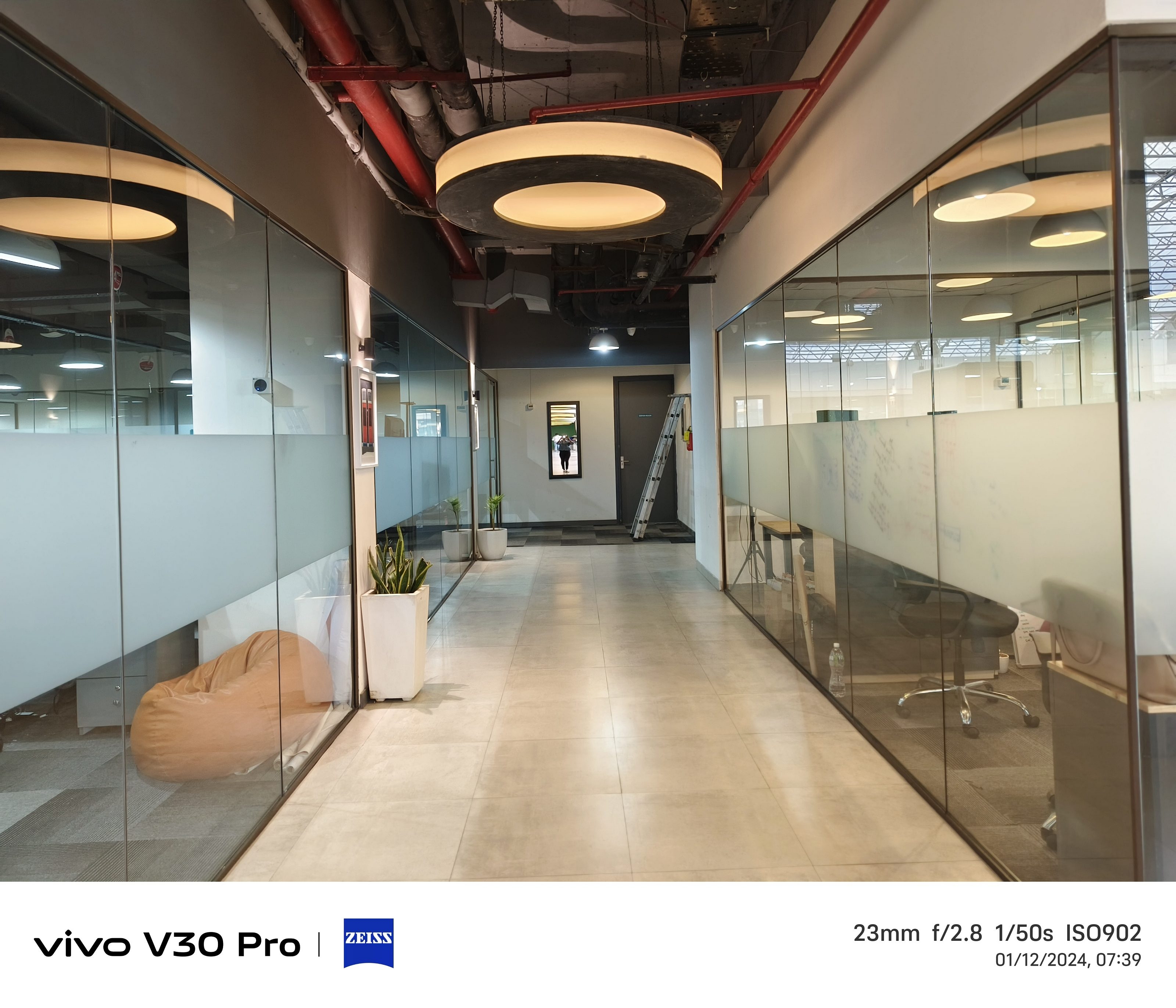
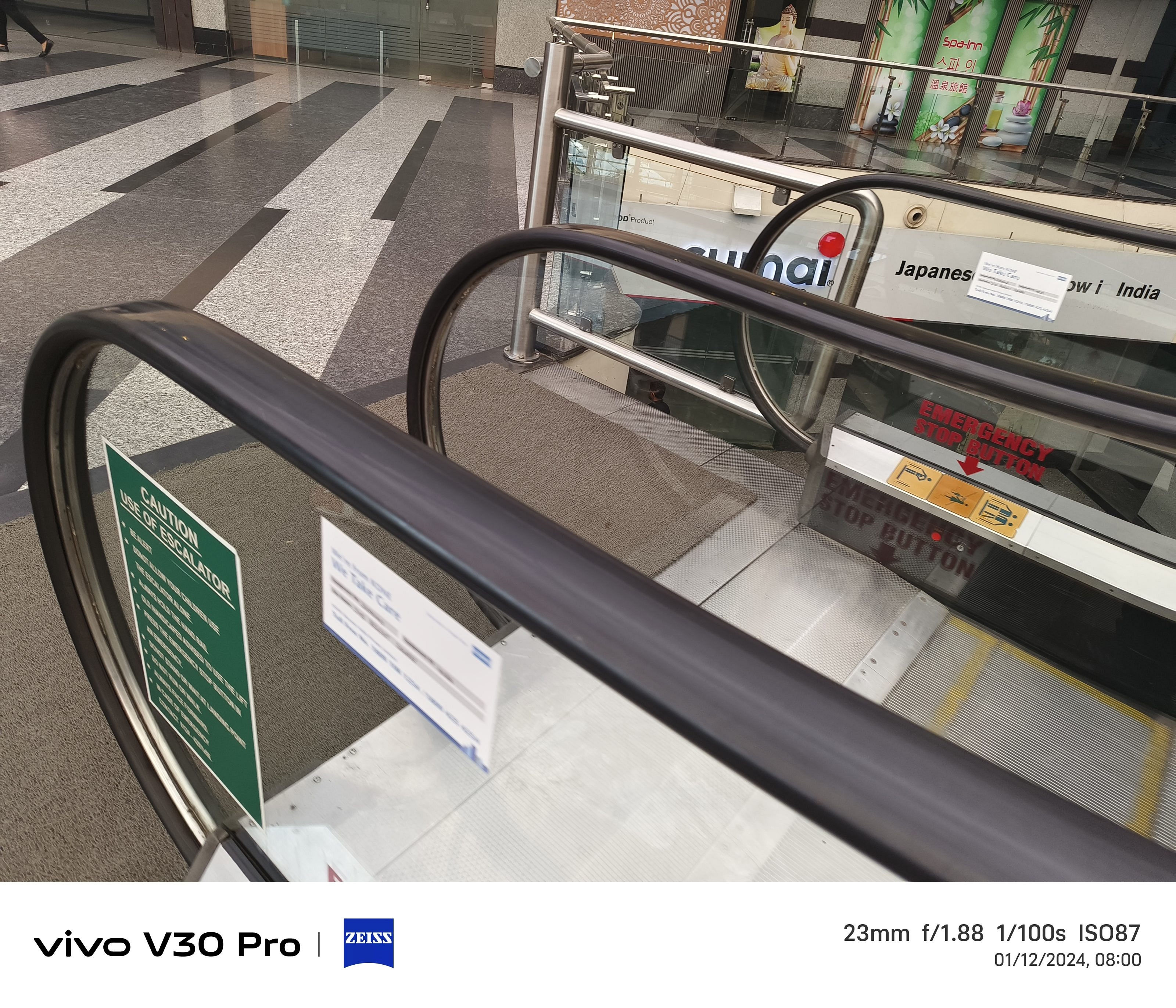
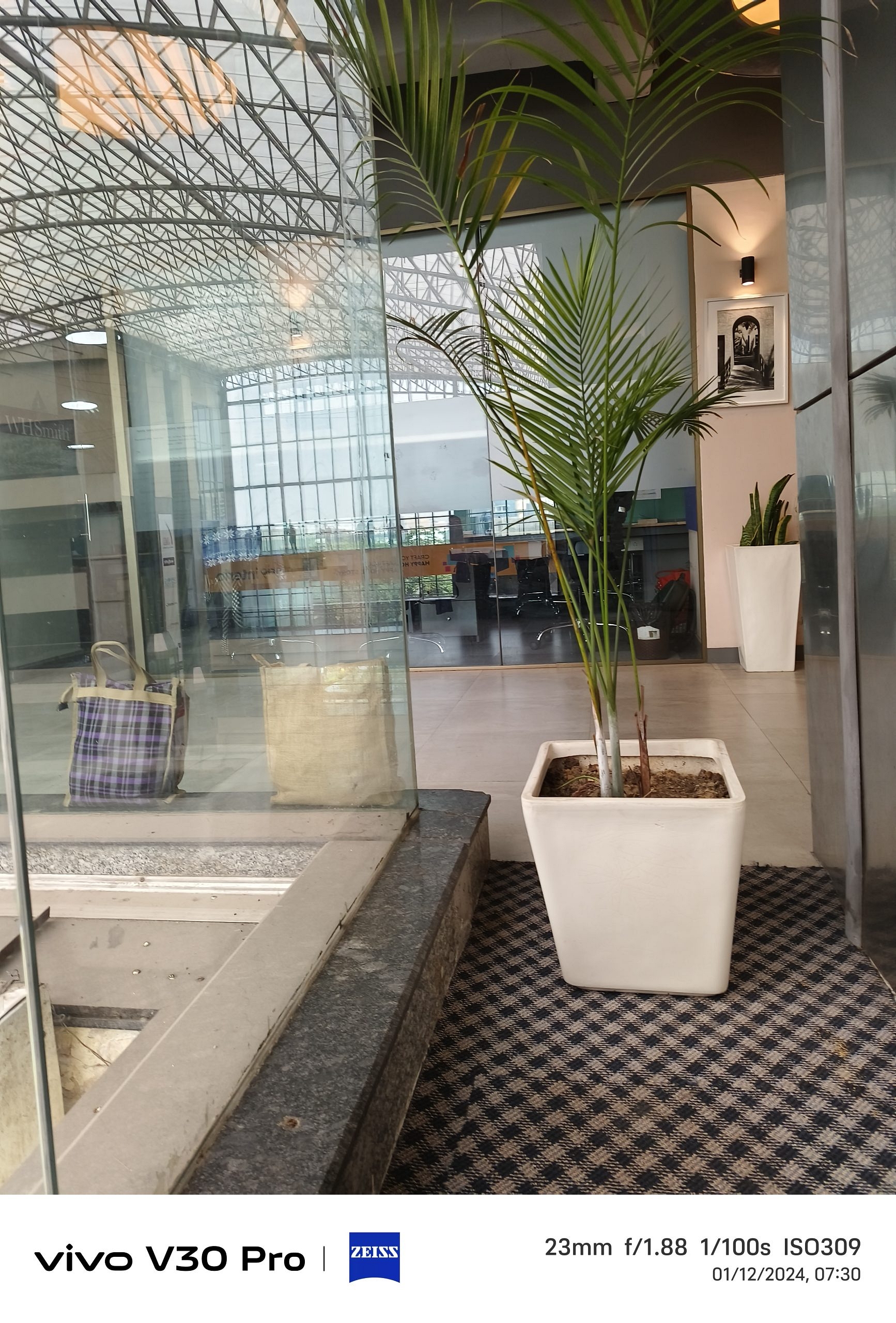
As you can see in the camera samples here, the camera setup captures stunning details in different background scenarios. The dynamic range is high with the captured shots. Edge detection is also to the point which is impressive. You can toggle through a variety of camera modes from the camera app itself.

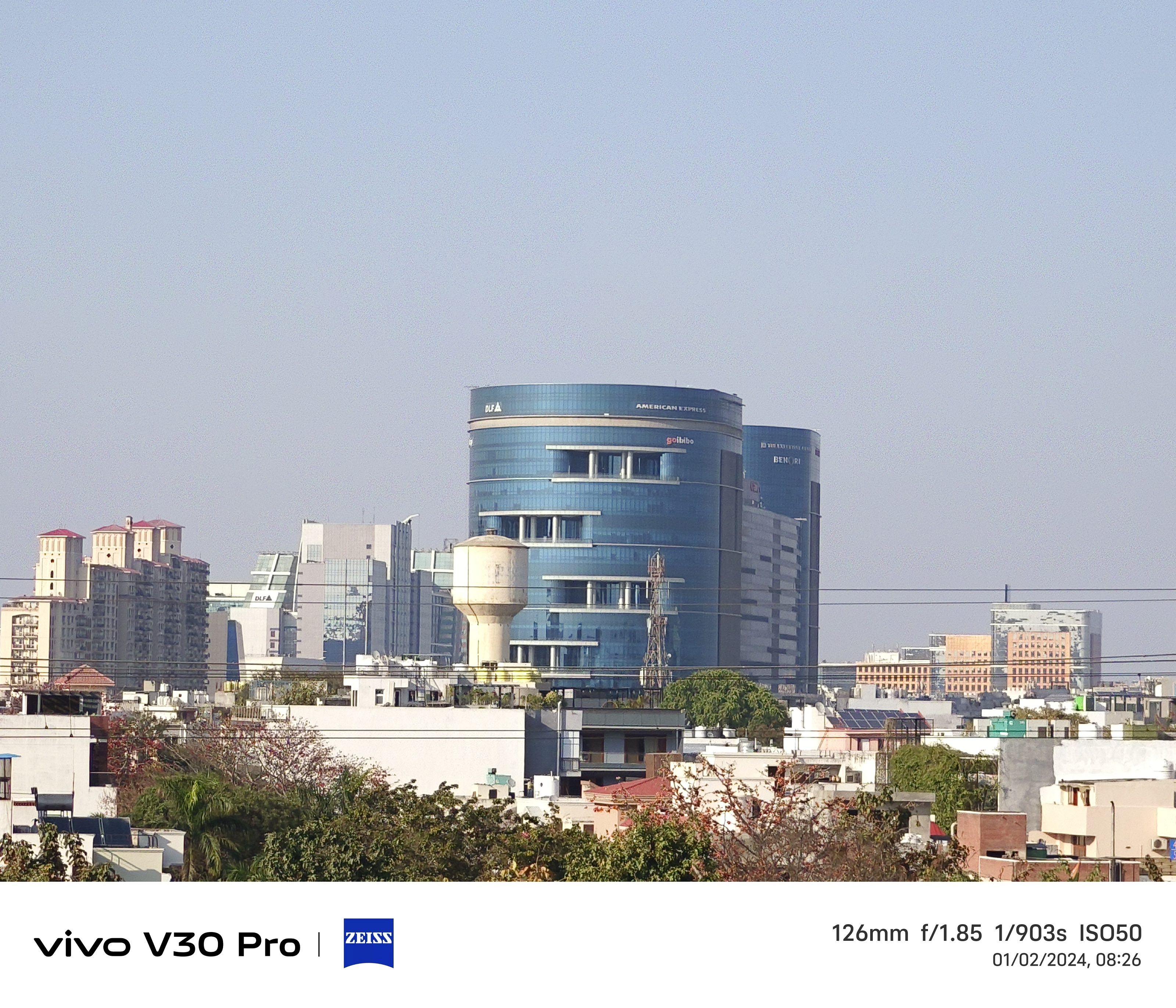
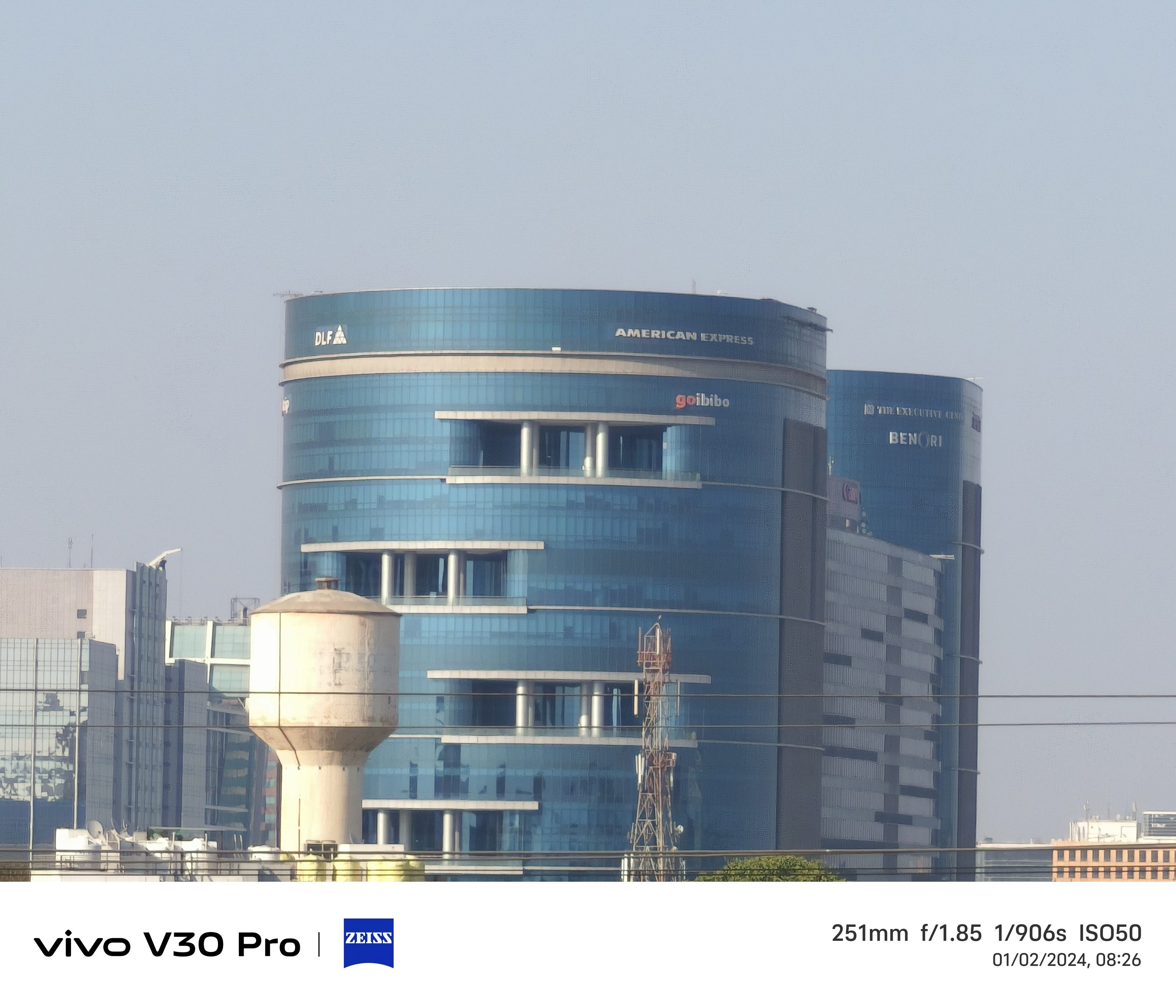
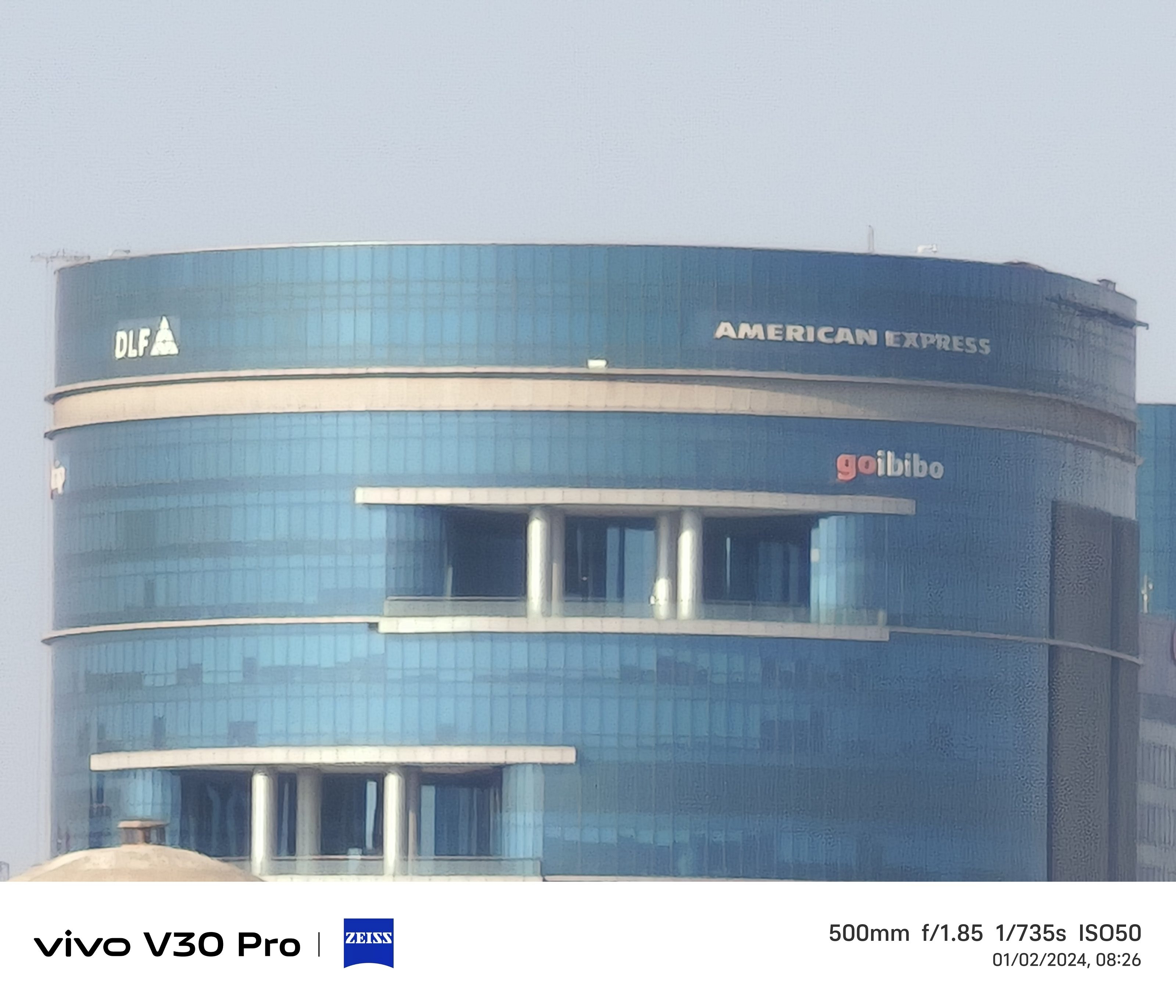
Th V30 Pro also does a good job with capturing images in zoom. Take a look above for the camera zoom performance. You will be able to see less distortion with the 10x zoom. Thanks to the large primary camera sensor the details aren’t compromised even if you click images with 10x or above zoom.

Also Read: Vivo V29 Pro Review: A Camera-Centric Smartphone Worth Considering

Vivo V30 Pro Performance Review

Under its hood, the Vivo V30 Pro has the MediaTek’s latest octa-core premium mid-range chipset — the Dimensity 8200. Vivo has used the upgraded chipset for better performance delivery. The premium mid-tier SoC is paired up with up to 12GB RAM and 256GB storage space. But wait, there’s an additional up to 12GB RAM (virtual) which does improves the performance output overall.

The Vivo V30 Pro offers more refined user experience when you perform a variety of tasks. This phone has been handling extensive operations with ease. This improved performance did grab our attention since we were expecting slight hiccups here and there. Surprisingly, the V30 Pro turned out to be quicker with app load and boot.

We also didn’t face any laggy or slow response when there were multiple apps including games running in the background and we had to switch between them. Thanks to the high capacity RAM (both physical and virtual combined), the V30 Pro is able to throw a consistent performance while multitasking.

The V30 Pro also gets a large vapor chamber which helps with stabilizing the temperature levels. Even if you are using this handset for prolonged media consumption or gaming, there isn’t any prominent heating issue that you will come across.

For storage requirements, you can select the suitable model offering 256GB or 512GB built-in memory. This space is ample and once can easily store large-sized files including images, videos, and other documents.

Vivo ships the V30 Pro with Android 14 OS and has layered it with the new FunTouch OS interface on top. While Vivo has massively cut down on bloatware with the V30 Pro, it isn’t entirely free of it yet. However, the experience overall while using the new UI is better than the previous-gen models. The UI also has minimum ads now and is promised to receive up to four years of security patch updates.

Also Read: Vivo X100 Pro Review After One Month Use: Truly Redefines Smartphone Photography

Battery Backup

Rounding off Vivo V30 Pro’s hardware-sheet is the 5,000 mAh battery pack. The large battery size is efficient in terms of power delivery and easily lasts almost an entire day if the usage is moderate. With the supported 80W fast charger, the Vivo V30 Pro’s battery gets a full charge in less than an hour, while a 50 percent charge from 0 percent takes less than 30 minutes. Do note that with extensive usage, the V30 Pro’s battery pack delivers significantly lower backup. Specifically when the display brightness, audio levels are set to max for long.

Also Read: Oppo Reno 11 5G Smartphone Review: Is The Stylish Design Backed By Performance?

Vivo V30 Pro Final Verdict

Vivo V30 Pro is loaded with a solid spec-sheet which allows it to outperform some of the top contenders in its league. But what steals the show here is the V30 Pro’s refined photography. This phone is designed to please the shutterbugs. It’s 50MP camera island at the rear along with the Aura light stands out from the competition. The V30 Pro gets our special recommendation for being the best-in-class camera phone under Rs. 50,000 price range.

Categories
Featured Mobile Reviews

Realme 12+ 5G Review: Your Gateway To Flagship-level Features At An Affordable Price

Key Highlights

  • 50MP Sony Portrait Camera with OIS
  • Extra light body inspired by luxury watch design
  • 5000mAh battery and 67W SUPERVOOC charging
  • IP54 Dust & Water Resistance

Mid-tier smartphones often flaunt quad camera setups, but let’s be honest – beyond the primary lens, those extra sensors often feel like mere decorations. Yet, the landscape is evolving, and the Realme 12+ 5G stands out as a beacon of change.

But wait, this isn’t just another phone boasting about megapixels and lens counts. The Realme 12+ 5G takes a different approach, focusing on delivering concrete user experiences. Picture a device that prioritizes premium aesthetics, lightning-fast charging, and the latest software innovations. Curious to know more? Well, buckle up as I share my firsthand experience with the Realme 12+ 5G, having spent around a week with it as my daily companion. Also Read | Vivo V27 Smartphone Review: A Shutterbug’s Delight

ProsCons
Premium DesignPresence of bloatware
120Hz Refresh RateAverage 20x zoom
Portrait photography 
Outstanding battery 

What’s Inside The Box?

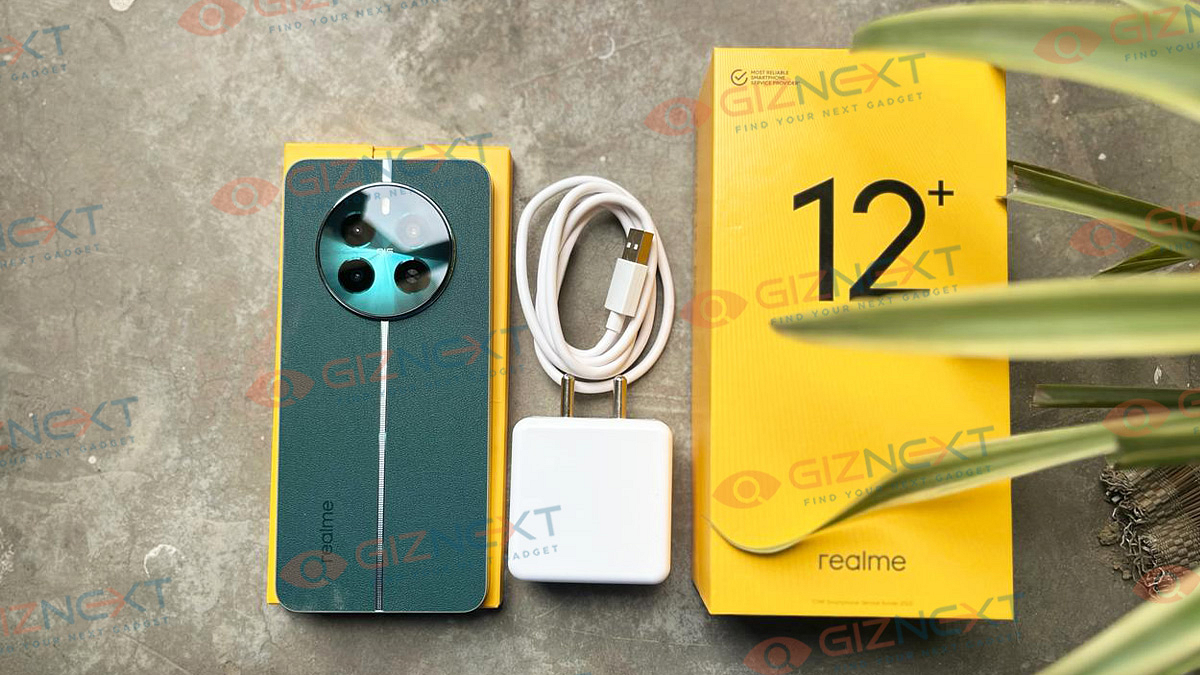
  • Realme 12+ 5G handset (Pioneer Green)
  • 67W SUPERVOOC charger
  • USB Type-A to Type-C cable
  • SIM ejector tool
  • TPU case
  • User manual

Realme 12+ 5G: Design

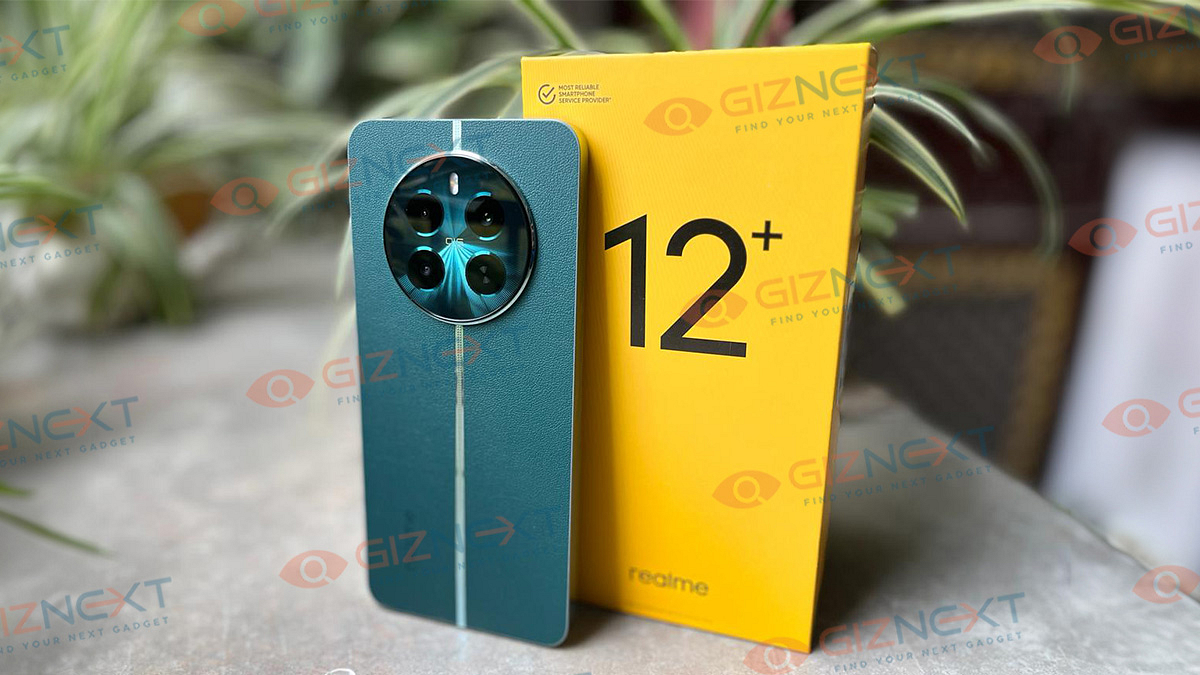
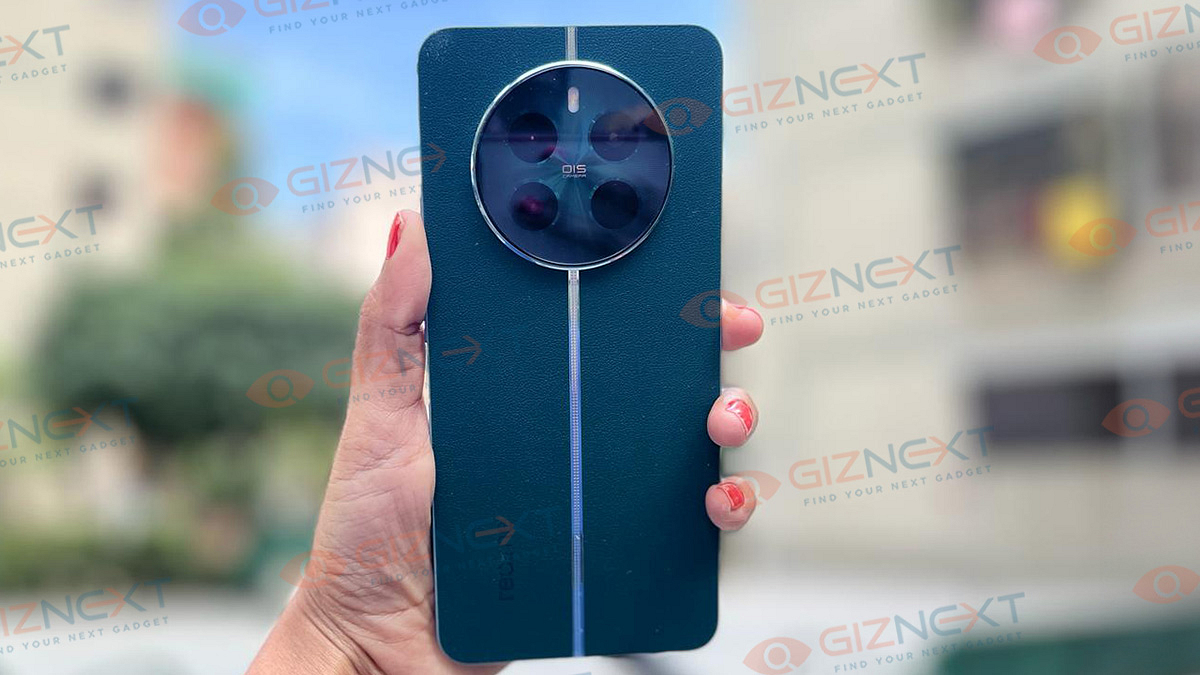
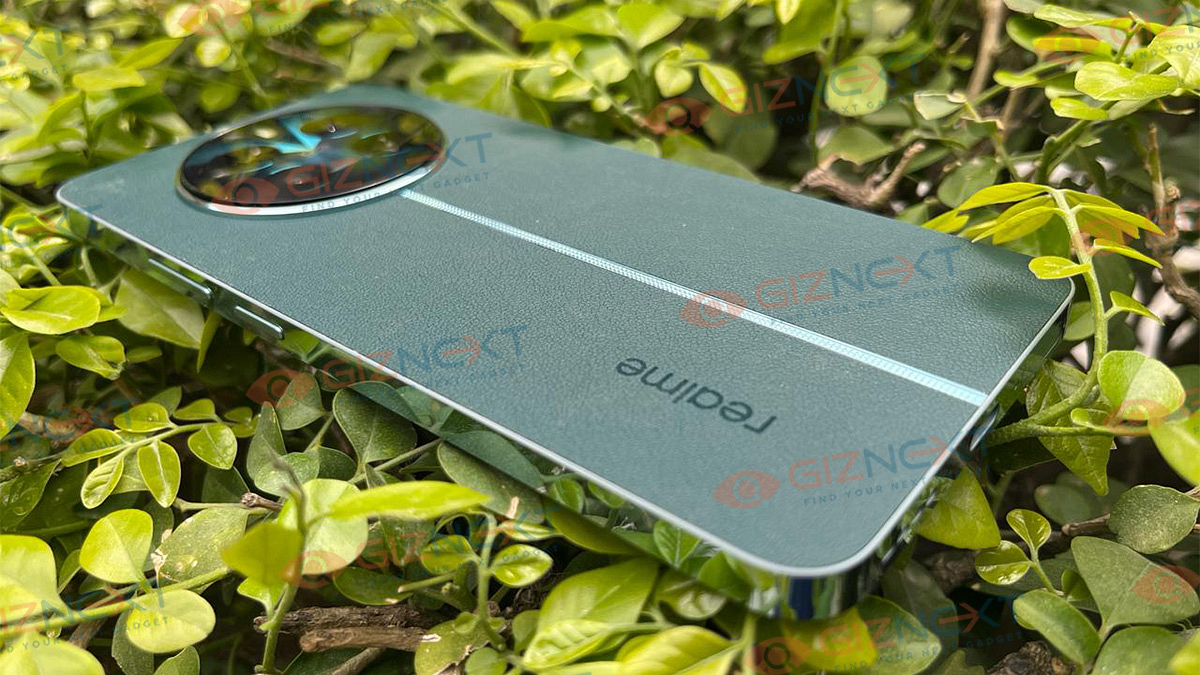
The Realme 12+ 5G is available in two color variants: Pioneer Green and Navigator Beige. I had the Pioneer Green variant with me for the review. Sporting a premium vegan leather back, it’s not just about aesthetics; it’s about embracing a new trend in smartphone design. And trust me, it feels as premium as it looks, offering a refreshing departure from the typical plastic panels while keeping those annoying fingerprints at bay.

Now, let’s get down to the nitty-gritty details. Weighing in at around 190g, the device offer a reassuring heft in the hand, aided by their textured surfaces that ensure a secure grip. The frame is silver and matches other silver parts on the phone. But what really catches the eye is the stitch-like pattern adorning the back, giving the impression that the phone is dressed in its own stylish leather jacket.

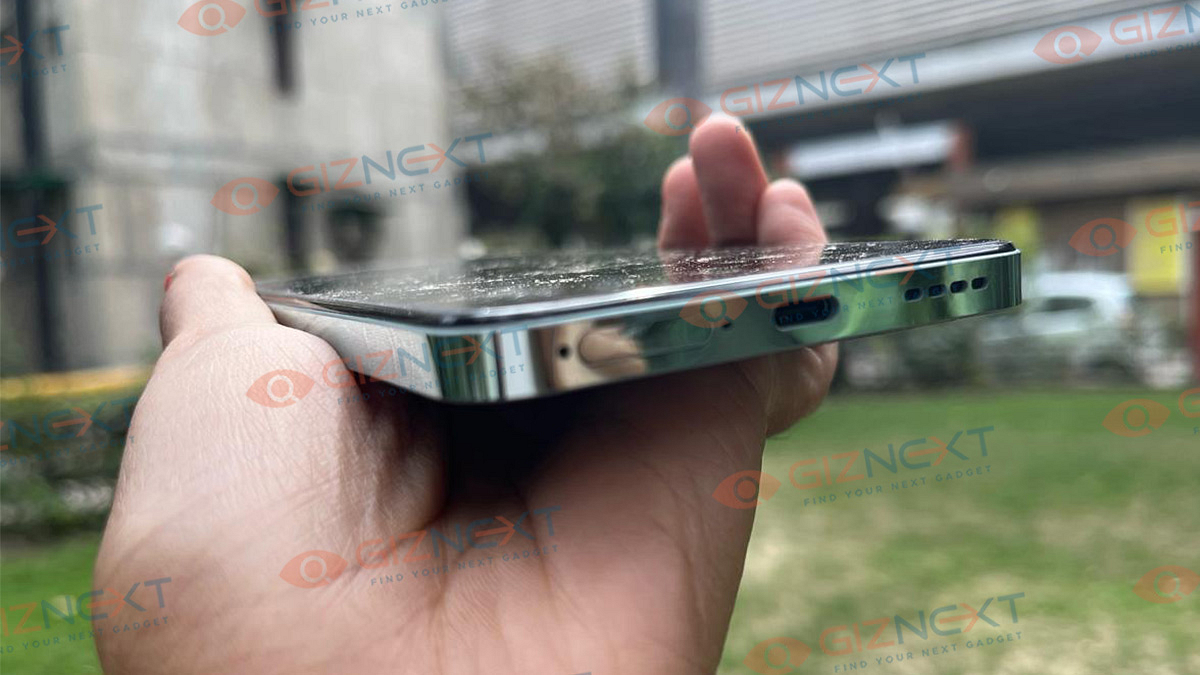
And as for the frame, it’s all about that glossy finish, housing the power and volume buttons on the right side for easy access. And let’s not forget about the bottom edge, where you’ll find the USB Type-C port, primary speaker grille, and hybrid-SIM slot, neatly tucked away for your convenience.

When you hold the device, you’ll love how it feels in your hand. Even though the screen is big at 6.7 inches, the phone doesn’t feel huge because of its small and curved edges. One cool thing about it is the silver ring around the camera. It looks fancy, like something you’d find on an expensive watch. But be careful because the glass covering the camera can get scratched easily, especially if you don’t use a case.

Overall, the Realme 12+ 5G is a good-looking phone that stands out from the crowd. If you like style and quality in your gadgets, you’ll love this one!

Realme 12+ 5G: Display

With a large 6.67-inch AMOLED screen boasting a sharp FHD+ resolution of 2400×1080, you’re in for a visual treat. What’s more, it features a super-smooth 120Hz refresh rate, matching up to other smartphones in its price range.

With an impressive 91.40 percent screen-to-body ratio, this phone shows a premium feel comparable to top Android flagships. Plus, with a peak brightness of up to 2000 nits, you can enjoy clear visuals even under direct sunlight. And don’t forget about the optical in-display fingerprint sensor—it’s both fast and accurate, adding to the convenience.

Whether you’re scrolling through social media, gaming, or watching your favorite content, this display delivers exceptional performance. And the dual stereo speaker setup enhances your experience with immersive sound quality. With vibrant colors and great contrast, this display truly shines.

If you’re in the market for a smartphone with a great display under Rs. 20,000, look no further— the Realme 12+ 5G is the perfect choice!

Realme 12+ 5G: Performance

Powering Realme 12+ 5G is the MediaTek Dimensity 7050 5G Chipset, built on the TSMC 6mm advanced process. You’ve got two options to choose from: either 8GB of RAM with 128GB of storage, or go all out with 8GB of RAM and a whopping 256GB of storage.

Now, let’s talk performance. This device handles routine tasks and casual gaming like a champ. I mean, I didn’t notice any lag or stuttering, except for some minor jitter in the animations when watching YouTube videos in picture-in-picture mode. But hey, nothing too major, right?

Speaking of gaming, I got to say, playing BGMI on the Realme 12+ 5G was a decent experience. Smooth gameplay with no lag or stuttering whatsoever. Sure, the phone got a tad warm around the camera module, but hey, that’s par for the course. But here’s a little quirk I noticed: the rear camera module kind of gets in the way when holding the phone horizontally. It took a bit of getting used to, but nothing too bothersome.

Now, let’s talk software. The Realme 12+ 5G runs on realme UI 5.0 based on Android 14, and let me tell you, it’s one of the slickest Android skins out there. But hey, I won’t sugarcoat it – there’s still a bit of bloatware hanging around. The good news? You can uninstall most of it, and you even have the option to disable system apps like web browsers and third-party app stores. Plus, you get to choose your preferred search engine right from the get-go.

Also Read | Tecno Camon 19 Smartphone Review: A Well-Rounded Mid-Range With A Stylish Design

Realme 12+ 5G: Camera

With a triple camera setup, this device offers a variety of photography options to explore. Let’s dive in and see how each lens performs, and whether they live up to the hype.

First up, we have the 50MP Portrait Camera, featuring the innovative SONY LYT-600 sensor. In normal mode, especially in daylight, you’ll be impressed by the detailed and vibrant photos it captures.

Switching to Portrait mode, prepare to be wowed as the device skillfully highlights your subject while beautifully blurring the background. The colors and details it captures in portrait mode are nothing short of satisfying. Plus, with the ultra wide-angle sensor, you have even more versatility when framing your shots.

But wait, there’s more! This phone supports photography at up to 20x zoom, although beyond 10x zoom, the quality takes a bit of a dip. And be cautious in harsh sunlight, as some objects might appear overly saturated.

Now, let’s talk about night photography. While the Realme 12+ 5G does a decent job in low light conditions, the images are still passable with acceptable colors. Thanks to noise reduction and HDR synthesis, you’ll get clear, vivid night photos that balance highlights and dark details effectively.

Shifting our gaze to the front camera, you’ll find a 16MP HD sensor ready to capture your best selfies. And, it does a pretty good job, delivering selfies with satisfactory clarity.

With the Realme 12+ 5G, you’ll have a world of photography at your fingertips, ready to capture every moment in stunning detail!

Realme 12+ 5G: Battery

When it comes to smartphones, having a battery that lasts long is super important, right? Well, let me tell you, the Realme 12+ 5G totally nails it in this department. With its big 5,000mAh battery and a super-fast 67W SUPERVOOC charger, this phone delivers some serious battery power.

So, to put it to the test, I decided to really push this phone to its limits. I played tons of games and binge-watched videos for hours, all while keeping a close eye on that battery percentage. And you know what? The results were pretty darn impressive.

I started my battery test with just 43 percent power left, and even after watching high-res videos for 50 whole minutes, the battery only dropped by five percent. Plus, in my everyday use – browsing the web, making calls, and scrolling through social media – this phone easily lasted me the entire day on a single charge. And get this, when I needed a quick top-up, the 67W SUPERVOOC charger swooped in and gave me a 20 percent boost in just five minutes.

In a nutshell, I couldn’t be happier with how this phone handles its battery life. If you’re like me and you want a phone that can keep up with your busy day without constantly needing to be plugged in, then the Realme 12+ 5G is definitely worth checking out. Trust me, you won’t be disappointed.

Realme 12+ 5G: Giznext’s Final Verdict

The Realme 12+ 5G, available in two variants, is priced at Rs. 20,999 for the 8GB RAM/128GB storage option and Rs. 21,999 for the 8GB RAM/256GB storage variant. Considering its features and performance, this pricing offers competitive value in the mid-range smartphone market. It impresses with its unique design, amazing display, solid performance, versatile camera setup, and outstanding battery life. Packed with features typically found in higher-end models, it offers great value for its price range. If you seek a stylish, high-performing mid-range phone, the Realme 12+ 5G is a worthy investment.

Also Read | Oppo Reno 11 5G Smartphone Review: Is The Stylish Design Backed By Performance?

Categories
Featured Mobile Reviews

Oppo F25 Pro 5G Quick Review: A Snapshot Of Its Pros And Cons

Picture this: a phone that’s as stylish as it is sturdy, with features that’ll make your jaw drop and performance that’ll leave you wanting more. Sounds good, doesn’t it? Well, Oppo has just introduced its latest midrange marvel, the Oppo F25 Pro 5G. The device is touted as Oppo’s slimmest 5G offering yet. Available in two storage variants: Rs. 23,999 for 128GB and Rs. 25,999 for 256GB – and two striking color options: Ocean Blue and Lava Red. The Oppo F25 Pro 5G will hit the shelves on the Oppo e-store, Amazon, Flipkart, and other retail outlets starting March 5, 2024.

So, I recently got my hands on the Oppo F25 Pro 5G, and let me tell you, it’s a smartphone worth talking about. Here’s a quick rundown of what impressed me and what I think could be improved. Also Read | OPPO A78 Review: Worthy Opponent Under Rs. 20,000?

Dimensions161.63mm × 74.73mm × 7.54mm
Weight177g
ColorsOcean Blue, Lava Red
Display120Hz 6.7-inch AMOLED
Refresh Rate60/90/120Hz
ProcessorMediaTek Dimensity 7050
OSColorOS 14 based on Android 14
Rear Camera64MP + 8MP + 2MP
Selfie Camera32MP
Battery5,000mAh
Biometric SecurityUnder-display fingerprint scanner, Face unlock

Oppo F25 Pro 5G Pros

  • Stylish Design: Imagine holding a phone that feels like it was tailor-made for your hand. That’s the Oppo F25 Pro 5G for you. It’s sleek, it’s slim, and it’s got this nature-inspired vibe that’s oh-so-refreshing. Plus, it’s lightweight, so you can say goodbye to those hand cramps during marathon gaming sessions.
  • Sturdy Build: Who says style can’t be tough? The F25 Pro 5G is not just a pretty face – it’s IP65 rated, meaning it can take a splash or two without breaking a sweat. So, whether you’re caught in a sudden downpour or accidentally drop it in the sink, this phone’s got your back.
  • Immersive Display: It’s big, it’s beautiful, and it’s borderless – giving you the perfect canvas for all your binge-watching sessions. And with high brightness levels, you can enjoy crystal-clear visuals even under the bright sun.
  • Good Camera: Say cheese! The F25 Pro 5G packs a serious punch when it comes to photography. With a 64MP ultra-clear triple camera setup, you can capture every moment in great detail. Plus, with 4K video capabilities, you can shoot cinematic footage like a pro.
  • Smart OS Features: Let’s talk about ColorOS 14 – the brains behind the beauty. It’s loaded with smart features like Smart Image Matting and File Dock, making your life easier and more productive. Say goodbye to tedious tasks and hello to seamless multitasking.
  • Decent Performance: Under the hood, the F25 Pro 5G is powered by MediaTek’s Dimensity 7050 chipset. With ample RAM and storage options, you can multitask like a boss without breaking a sweat.

  • Long-lasting Battery: Last but not least, let’s talk about battery life. With a massive 5,000mAh battery and 67W SUPERVOOC fast charging support, you can kiss battery anxiety goodbye. And with fast charging speeds, you can get back to what you love in no time.

Also Read | Oppo Reno 10 5G Review: A Stylish And Feature-Packed Smartphone

Oppo F25 Pro 5G: Cons

  • No Wireless Charging: Now, for the not-so-great news. The F25 Pro 5G doesn’t support wireless charging. So, if you’re someone who loves the convenience of wireless charging, you might be a tad disappointed.
  • Bloatware: The Oppo F25 Pro 5G does come with some pre-installed apps that you might not use. While they’re not deal-breakers, it would’ve been nice to have the option to uninstall them if you wanted to keep things clean and clutter-free.
  • Display Protection: While they say it has Panda Glass for protection, we’re not sure how well it protects against scratches and drops. We will be coming back with feedback in our detailed review.
  • Widevine L1 Certification Missing: Another downside is the absence of Widevine L1 certification, which means streaming services might not deliver content in HD quality. That’s a bit disappointing for binge-watchers.

Verdict

So, there you have it – a quick rundown of the Oppo F25 Pro 5G. Is it worth the hype? Absolutely! With its stylish design, powerful camera system, and long-lasting battery life, it’s definitely a contender in the smartphone arena. Sure, it’s got a couple of drawbacks, but hey, nobody’s perfect, right? However, this is just our first impression. We’ll be thoroughly testing the phone on various aspects and will come back with a detailed review. So, stay tuned for more insights!

Also Read | Oppo Reno 11 5G Smartphone Review: Is The Stylish Design Backed By Performance?

Categories
Accessories Featured Reviews

Audio Technica ATH-M50xBT 2 Headphones Review: Solid Audio Performance Despite Missing ANC

Pros

  • Flexible and comfortable design approach
  • Lightweight form factor allows daily use convenience
  • Good battery backup on a full charge
  • Clean audio profile

Cons

  • Misses out on ANC
  • Bit expensive despite no ANC feature

There has been a rapid trend with modernization in the tech industry and the audio brands aren’t left out. We have witnessed wireless tech being incorporated even with affordable products in the current market scenario which previously was limited to high-end flagship products. Equal contribution from the pioneers in this market have helped with this transition.

This brings us to one of the latest products from Audio Technica that we got to review at Giznext. An over-the-ear headphone with around Rs. 18,490, the Audio Technica ATH-M50XBT2 comes as a premium option for audiophiles in the country. But does this headphone pair has the price justified with its performance delivery? Here’s what we think after its thorough testing:

Audio Technica ATH-M50XBT2 Design: Wearing Comfort Prioritized

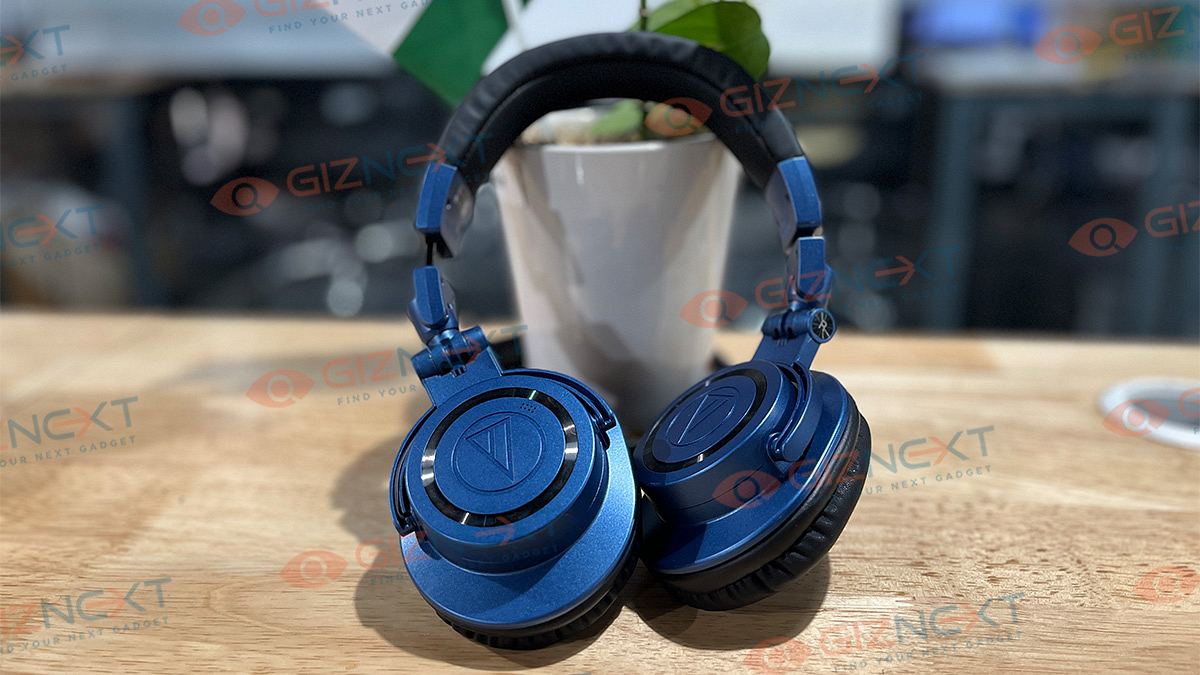
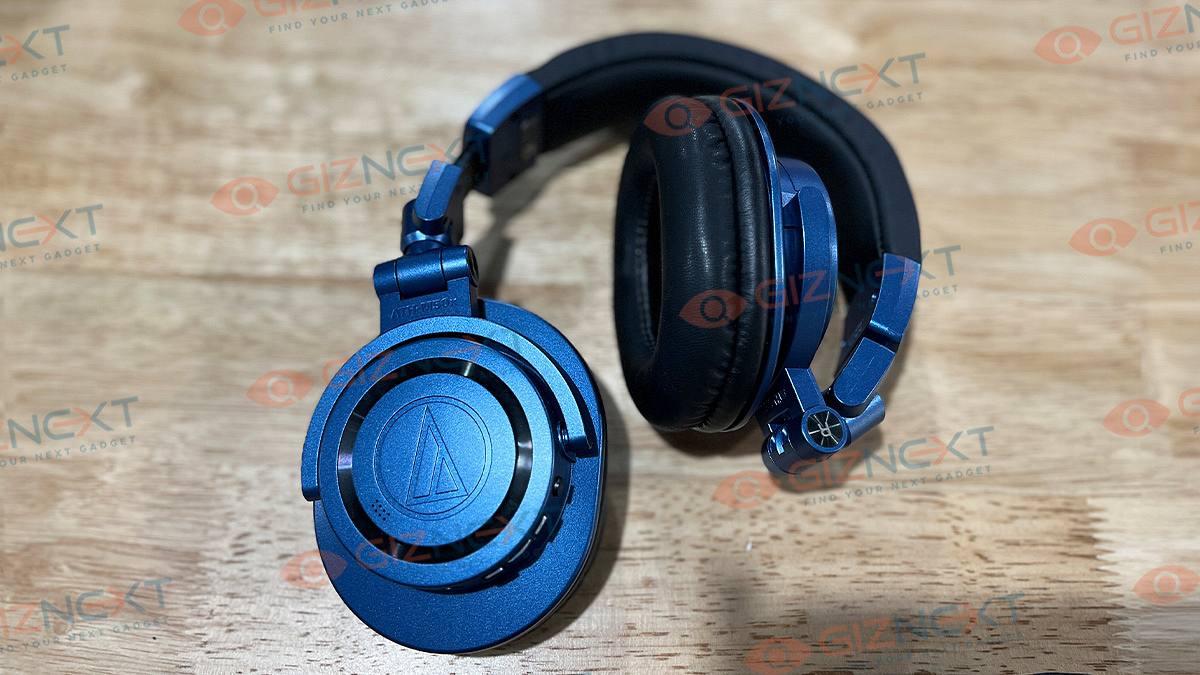
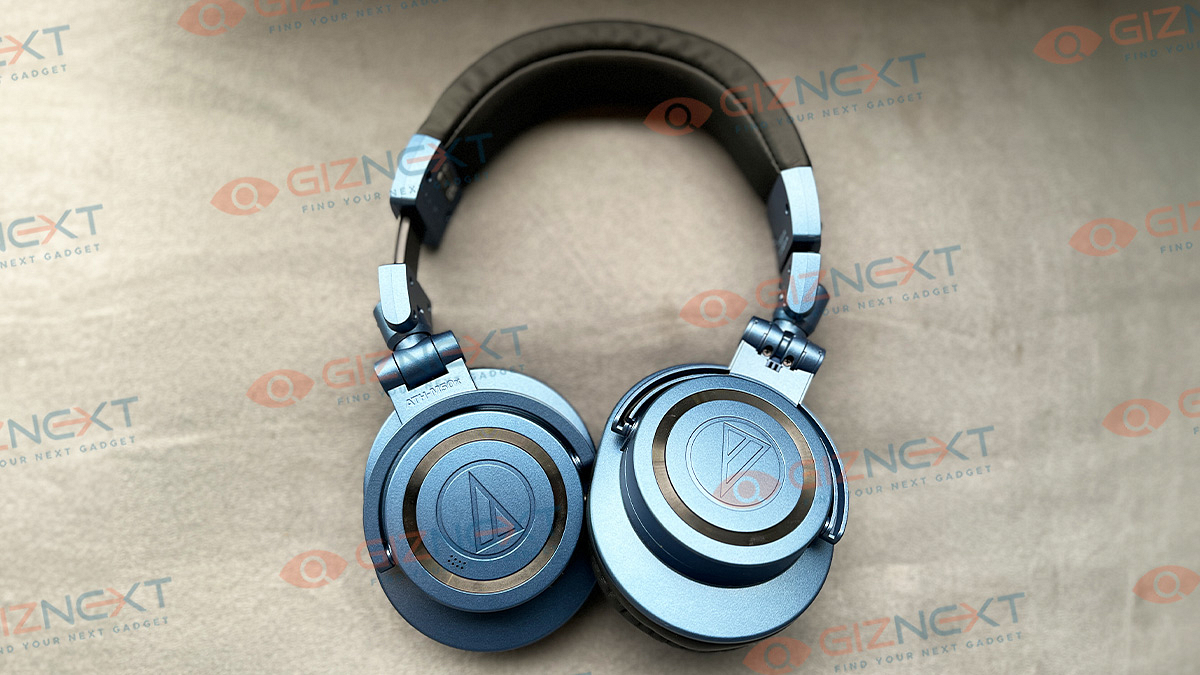
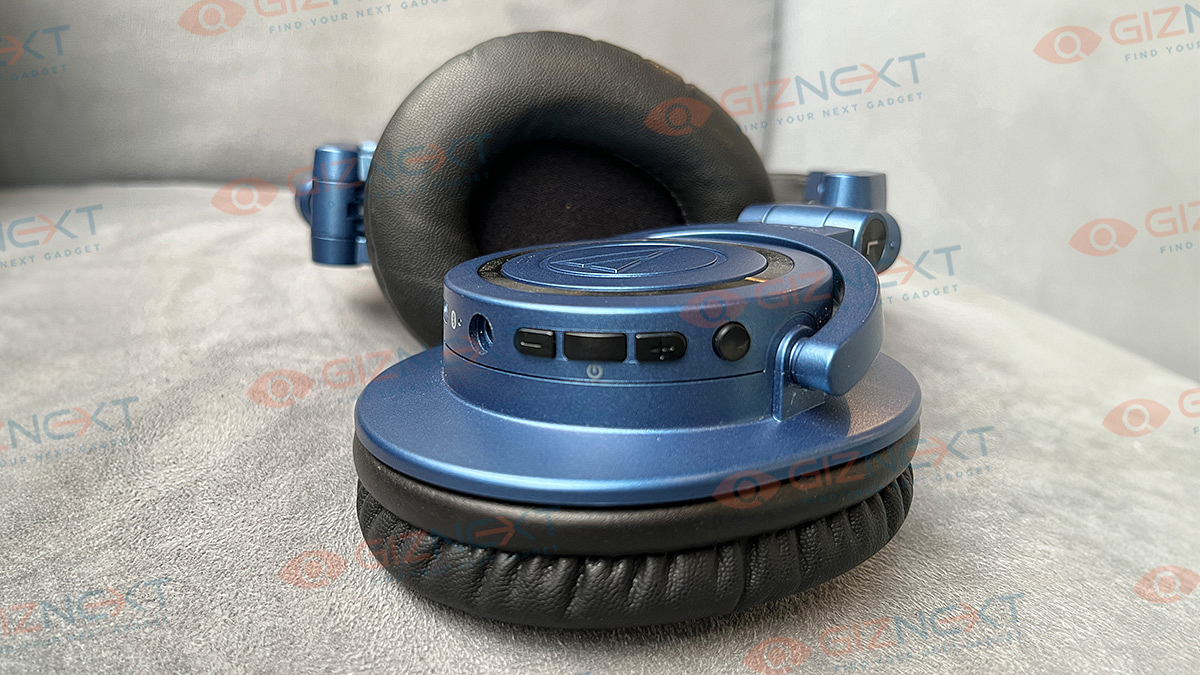
If you look at the overall design language, the Audio Technica ATH-M50XBT2 boasts a professional appeal that seems apt for studio use. What majorly impressed us with the design is not just the looks but also the build.

The plastic body construction is of good quality despite the pair being lightweight. You don’t find the build quality flimsy at any point rather it’s a robust over-the-ear headphones that snug-fits making it an ideal daily-use gadget.
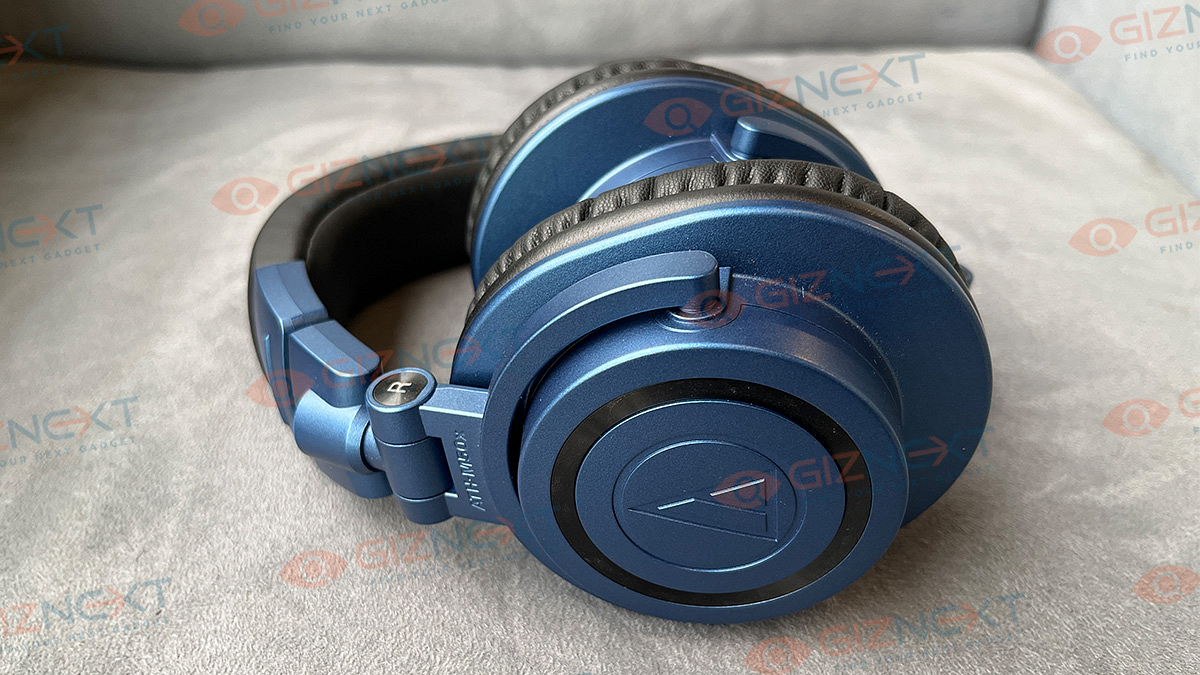
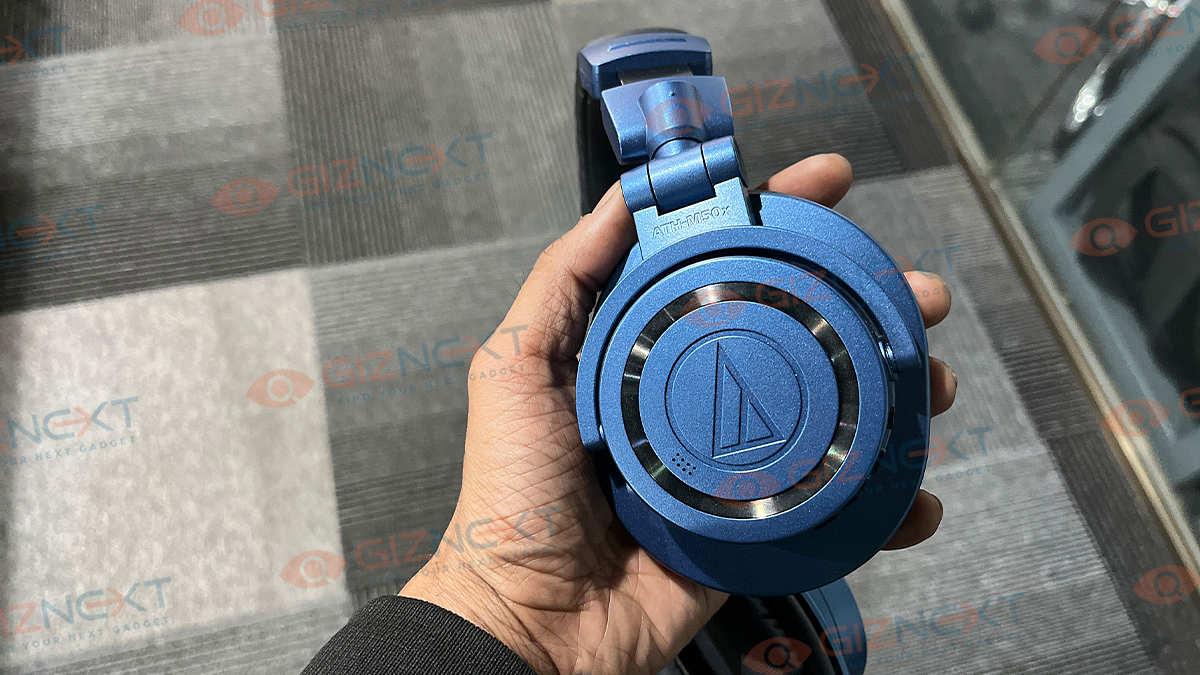
And if you are someone, who have an eye for subtle yet trendy looking headphones, the ATH-M50XBT2 will surely get your attention. The grooved Audio Technica label on the earcups improves its aesthetics.

The large earcups with soft padding allows a comfortable wearing experience despite prolonged usage. You can simply put these pair on an forget while continuing with your chores. The comfortable wearing is aided by a good grip which limits the headphones from falling off the head.

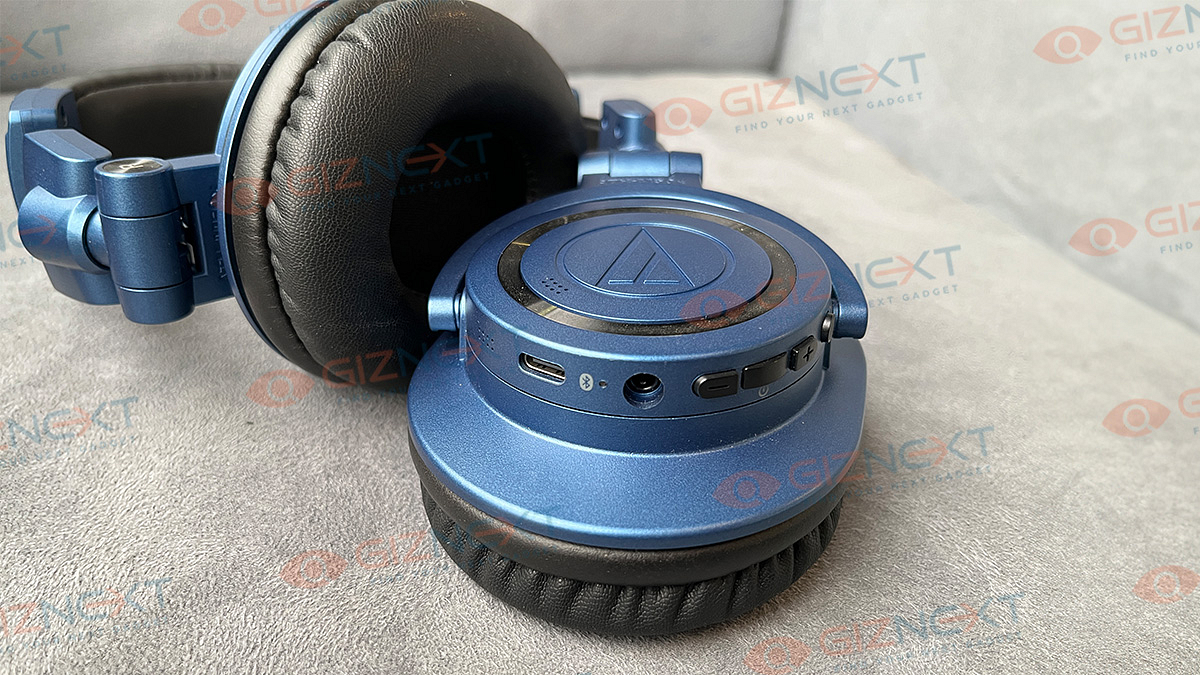
The ATH-MX50XBT2 essentially borrows its design cues from its predecessor, i.e., the ATH-MX50BT. Practicality is enhanced with the rotatable earcups which accommodates physical control keys and ports.You’ll find all the controls on the left earcup which include the power key sandwiched in between the volume rockers.

The headphones also offer a 3.5 mm headphone jack for wired connectivity. Now, this is one useful feature that comes handy under different circumstances. This variant gets a USB Type-C charging port unlike the microUSB port as the previous-gen model. Lastly, there is a dedicated digital voice assistant key using which you can give voice commands for different controls.

Also Read: Vivo X100 Pro Review After One Month Use: Truly Redefines Smartphone Photography

Sound Performance

Audio Technica ATH-MX50BT2’s default sound stage would come as a pleasant experience for the audiophiles with a taste of varied music flavors. It has a balanced audio output where none of the frequencies topple over each other which is the case with several stereophonic and studio-headsets.

The lows, mids, and highs are proportionate with which these headphones produce a neutral yet refined audio. It isn’t a flat sounding pair and you won’t fond shrilling audios at the higher frequencies. Coming to the biggest question, how’s the bass performance? Well, expect a smooth and soft bass flow instead of thumping bass.

It’s the large snug fit ear cups that you can give credit for blocking out the background noises during playback. The ATH-MX50BT2 comes void of ANC (Active Noise Cancellation) but does a good job with passive noise blockage. There is some audio leak at the highest volume levels but nothing super concerning.

Now, that is sound signature is adequate for not just music playback but also for TV shows and movies. We had a good experience while binging on movies and shows at OTT platforms. Audio output with video playback from local directory is also the same. These headphones turns out to be treat while gaming; specifically FPS and racing games. Some of the titles we played while using this audio kept us hooked to the screen.

If you are one of those solid bass heads, then you will have to tune the equalizer settings as per your audio preferences. We’ll like to highlight the fact that the audio muffling and distortion is least of concern while using the ATH-M50BT2 wireless headphones. That’s even when you tune up the volume to max levels.

Summing it up, we have had a great time listening to the ATH-MX50BT2 and this pair gets our recommendation for serious audiophiles. That’s specifically considering it misses out on ANC (Active Noise cancelation).

Also Read: Oppo Reno 11 5G Smartphone Review: Is The Stylish Design Backed By Performance?

Pairing, App Features, And Calling Experience

The Audio Technica ATH-MX50BT2 isn’t really a feature-loaded pair. However, it does pack necessary set of modern features that aids with its convenient usage. One of such options is the Google Fast Pair tech with which it takes just jiffies to pair up with compatible devices such as smartphones, tablets, and smart TVs, laptops, and PCs. We didn’t encounter any pairing issue rather the entire experience has been smooth each time.

The ATH-MX50BT2 headphones comes with Audio Technica Connect app compatibility. Besides general audio and equalizer tweaks, you can toggle between the different audio codecs and also enable or disable low latency mode. Calling experience is good with the sound quality being refined throughout the calls for both the caller and the receiver.

Also Read: Inbase Free Buds Elite TWS Review: Budget-Friendly Gem Or Missed Opportunity?

Battery Backup

Audio Technica claims around 50 hours backup per charge with the ATH-MX50BT2. During our testing, these claims seems accurate when the audio levels are lower. If you boost up the volume levels over 80 percent, expect a significant drop. Still the backup doesn’t drop down below 40 hours. So, if your usage requirements are extensive, the ATH-MX50BT2 will live up to your expectations.

Also Read: Lenovo Tab P12 Review: Practicality At Its Best

Final Verdict

The Audio Technica with a price range under Rs. 20,000 tags itself in the premium category where it gets Sony and Sennheiser as its prime contenders. With it missing out on crucial feature like ANC, it does take a hit from the rivals. However, its rugged and comfortable build along with the rich and wide soundstage comes as its savior. At no given point, you feel the audio quality getting compromised. It keeps on delivering the same refined and consistent output which one expects from a flagship-grade headphone.

Categories
Featured Mobile Reviews

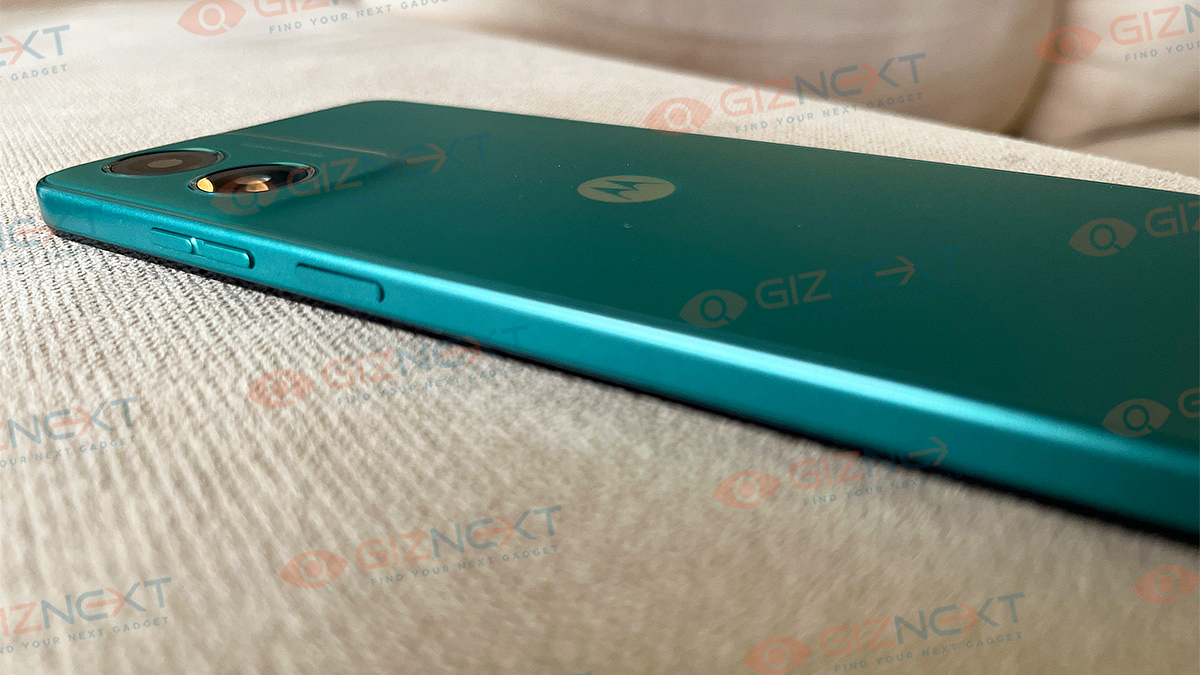
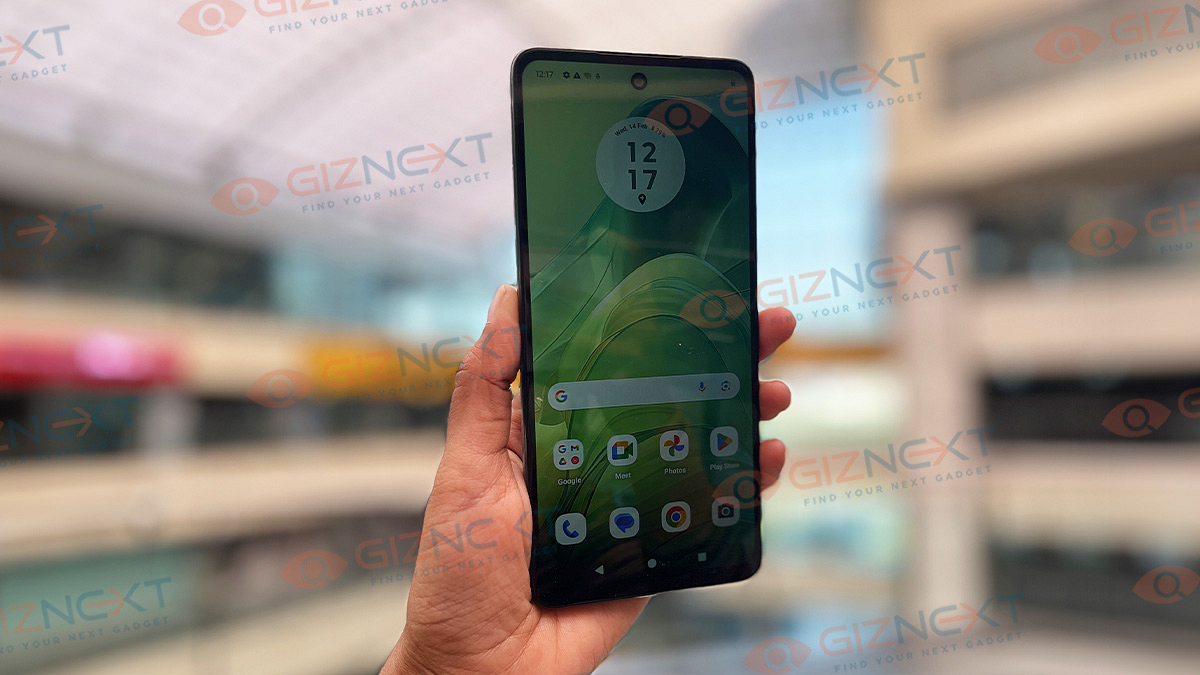
Moto G04 Review: Is Motorola’s Latest Budget Phone Worth Your Bucks?

Key Highlights

  • Budget-Friendly
  • Clean Software
  • Long Battery Life
  • Slow Charging

Motorola introduced the Moto G04 recently, marking the debut of the new G0x series and replacing the Moto E13. This release boasts several upgrades, including a 90Hz display, a sleeker design, and the latest Android 14 operating system, while maintaining the same System on Chip. So, is the Motorola G04 truly a worthy contender in today’s crowded smartphone market?

Positioned as the latest offering from Motorola, what sets this phone apart is its affordability, priced under Rs. 10,000. Consequently, it may not serve as your primary device if you prioritize top-notch camera performance, intensive multitasking, gaming, premium display quality, or high-end performance. However, what can this phone offer you instead? Let’s delve into it. Also Read | Oppo Reno 11 5G Smartphone Review: Is The Stylish Design Backed By Performance?
ProsCons
5,000mAh batteryAverage Camera
Clean Software ExperienceSlow Charging Speed
Expandable Storage and RAM FlexibilityAverage Performance

What’s Inside The Box?

  • Moto G04 handset (Sea Green)
  • 10W charger
  • USB Type-A to Type-C cable
  • SIM ejector tool
  • TPU case
  • User manual
  • Warranty information

Design

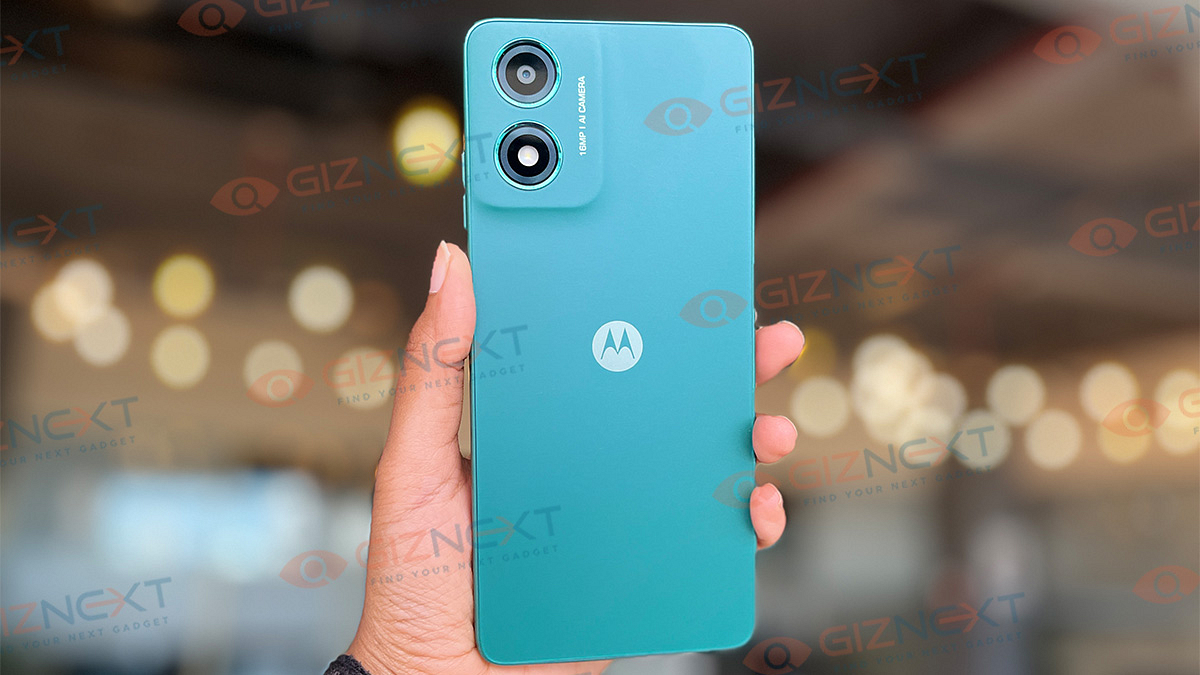
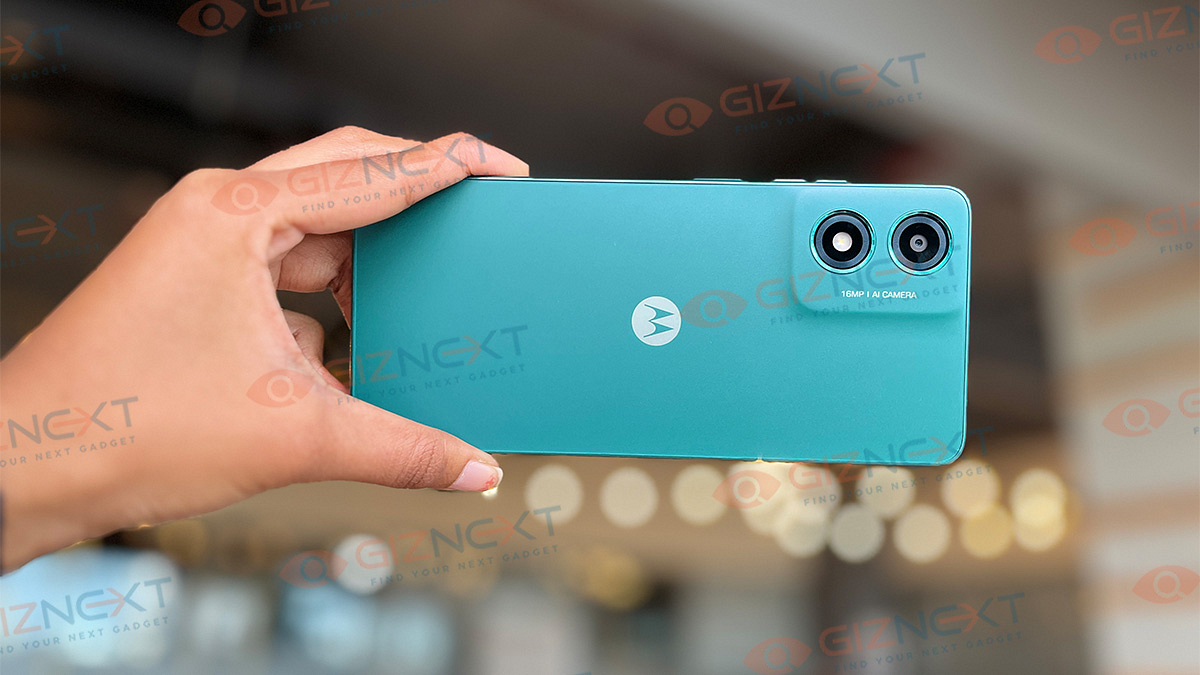
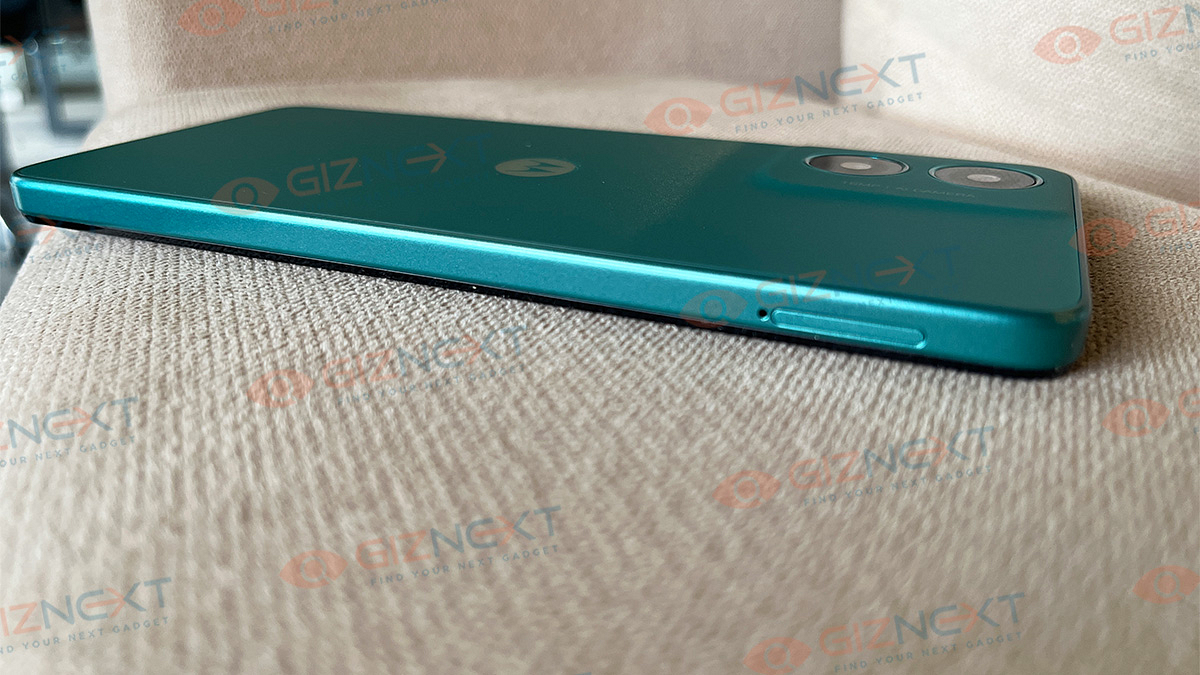
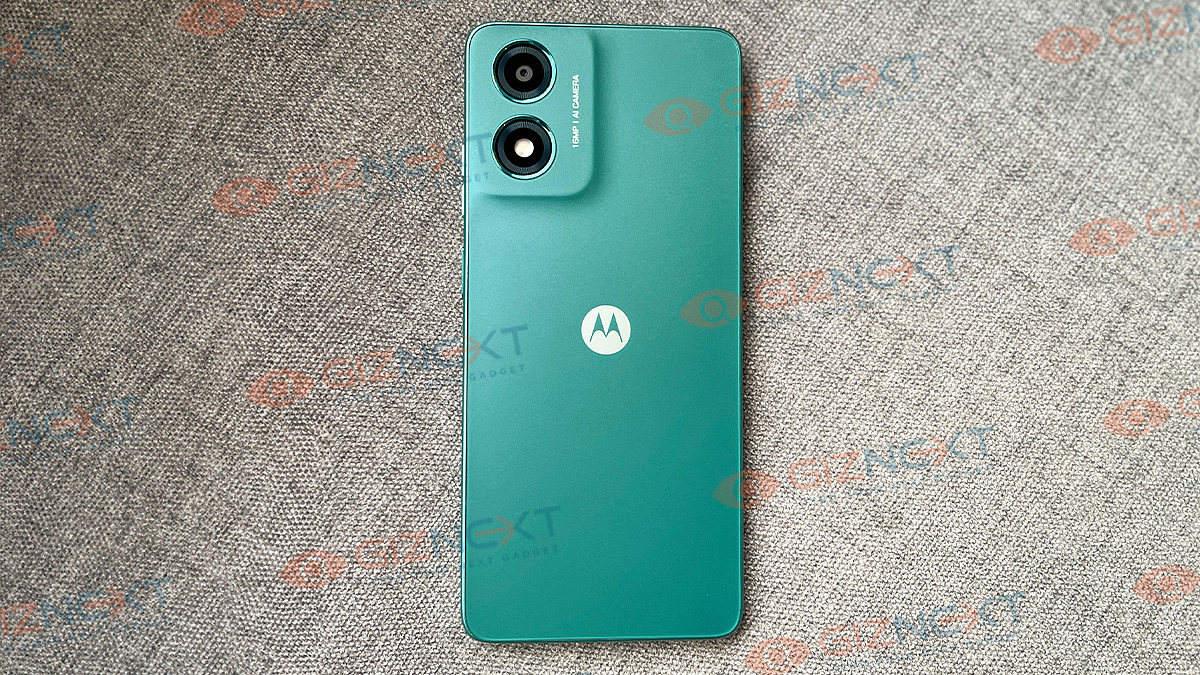
The Moto G04 keeps up with the sleek design tradition of its G-series siblings. Whether you’re eyeing the Moto G24 Power or the Moto G34, you’ll notice they all share a similar aesthetic from the back, though with a splash of color options to spice things up.

Motorola proudly dubs this design language as ‘Premium Design,’ and I must say, it’s spot on. This phone shows sophistication, with thorough attention to detail evident in every curve and contour. Holding it feels great—it’s lightweight, comfortable, and doesn’t scream “budget.”

Available in Green, Blue, Black, and Orange colors, there’s a shade to suit every style. Plus, practicality isn’t forgotten, with a convenient Type-C port at the bottom and the volume rockers and power button neatly placed on the right side.

And let’s not forget the cherry on top: a 3.5mm audio jack right where it belongs—at the top, exactly where I like it.

Display

Sporting a 6.56-inch HD+ 90Hz LCD screen with a pixel-packed resolution of 1612 × 720 pixels and a 20:9 aspect ratio, this screen is a sight to behold. Despite its HD nature, it stands tall compared to other HD displays out there, offering crisp visuals that won’t disappoint.

Settled within a punch-hole housing, the 5MP camera doesn’t interrupt your viewing pleasure. With a peak brightness of 537 nits and PANDA glass protection, your screen stays vibrant and safe from harm.

Sure, it’s not AMOLED, and HDR support is missing, but at this price point, it’s hard to complain. Colors pop decently, and viewing angles are satisfactory, making for an enjoyable viewing experience. Plus, Widevine L1 support ensures seamless content streaming on popular platforms like Netflix and Prime Video.

But let’s not forget about the auditory delight. While a single bottom-firing speaker belts out surprisingly loud tunes, Dolby Atmos support takes the audio experience up a notch—a rare treat in this price bracket. Overall, Motorola aims to deliver a great audio-visual incident without breaking the bank.

Processor

While it may not be the speed demon you’re hoping for, don’t write it off just yet. Powered by the Unisoc T606 processor, it’s not aiming to break speed records but rather to deliver reliable performance within its limits—a strategic choice by Motorola to keep costs in check.

With up to 8GB of RAM and 128GB of internal storage (expandable up to 1TB), this phone offers flexibility without breaking a sweat. Plus, the option to virtually boost RAM by another 8GB is a neat trick for those craving more power.

What truly shines is its software prowess. Say goodbye to bloatware—aside from essential Google apps, you can bid farewell to unwanted pre-installed apps like Facebook and banking apps, ensuring a clean and clutter-free user experience.

Running on Android 14 straight out of the box with a promise of two years of security updates, your device stays current and secure. And when it comes to security features, the face unlock and fingerprint system are lightning-fast—a reassuring touch in today’s digital landscape.

Also Read | Tecno Spark Go 2024 Review: Setting A New Standard For Budget Smartphones?

Camera

Let’s focus our lens on the camera capabilities of the Moto G04. Sporting a single 16MP AI-powered rear camera and a 5MP front shooter, it has portrait mode and auto night vision for improved low-light shots.

Now, let’s cut to the chase. The photos? Well, they didn’t quite impress me. They seem a bit over-processed, lacking that natural flair we all crave. It’s a missed opportunity for Motorola to fine-tune its software processing and uplift the camera experience.

Yet, considering the price tag, it’s a forgivable offense. While we may not be praising its camera prowess, it’s important to keep expectations in check. After all, you get what you pay for.

Battery

Buckle up for the ride because the Moto G04 boasts a whopping 5,000mAh battery that just won’t quit. Whether you’re a casual user or a power user, this phone has your back for more than a day without breaking a sweat. But here’s the twist: while the battery life is epic, the charging speed is more of a stroll than a sprint. Sporting 15W charging support, you’d expect a speedy boost, but alas, with the included 10W adapter, reaching 100 percent takes over two hours. In a world where even budget phones zip to full battery with 30W speeds, the G04’s charging pace feels like it’s stuck in the slow lane.

Giznext Verdict

To conclude, the Moto G04 presents a decent option for budget-conscious customers seeking long-lasting battery life, a clean software experience, and innovative features. However, its underwhelming camera performance, slow charging speed, and modest processor may deter those prioritizing photography and speed. Consider your priorities before making the purchase.

Also Read | Vivo X100 Pro Review After One Month Use: Truly Redefines Smartphone Photography