Categories
Comparison Featured Mobile

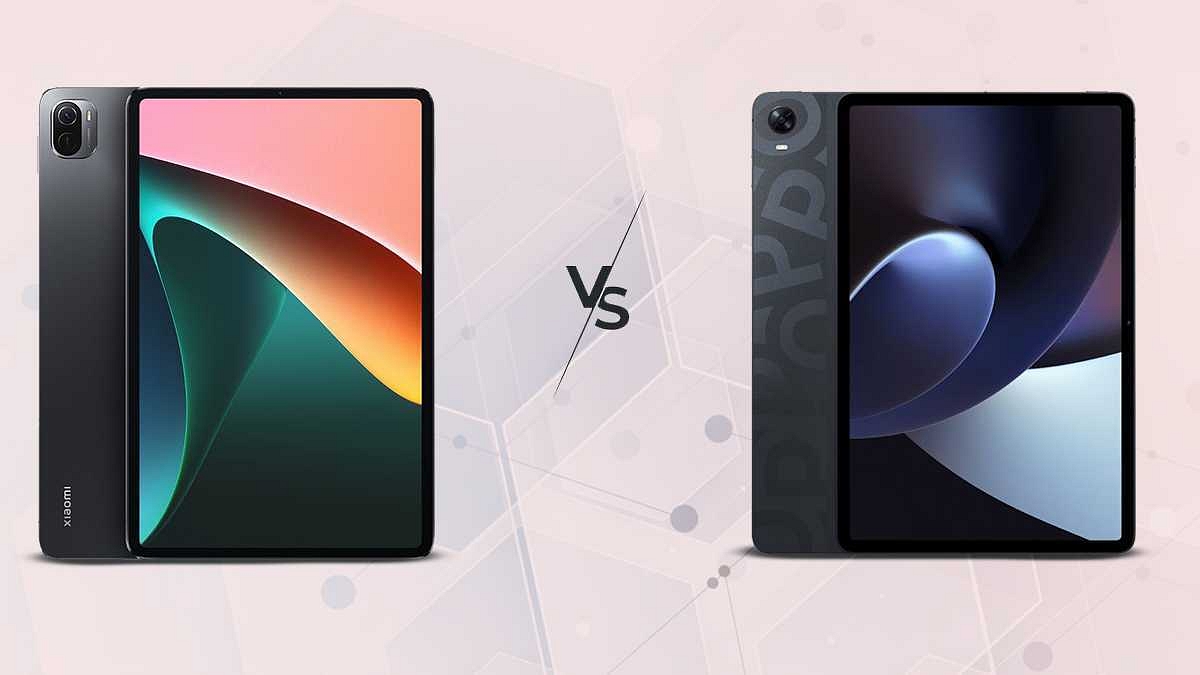
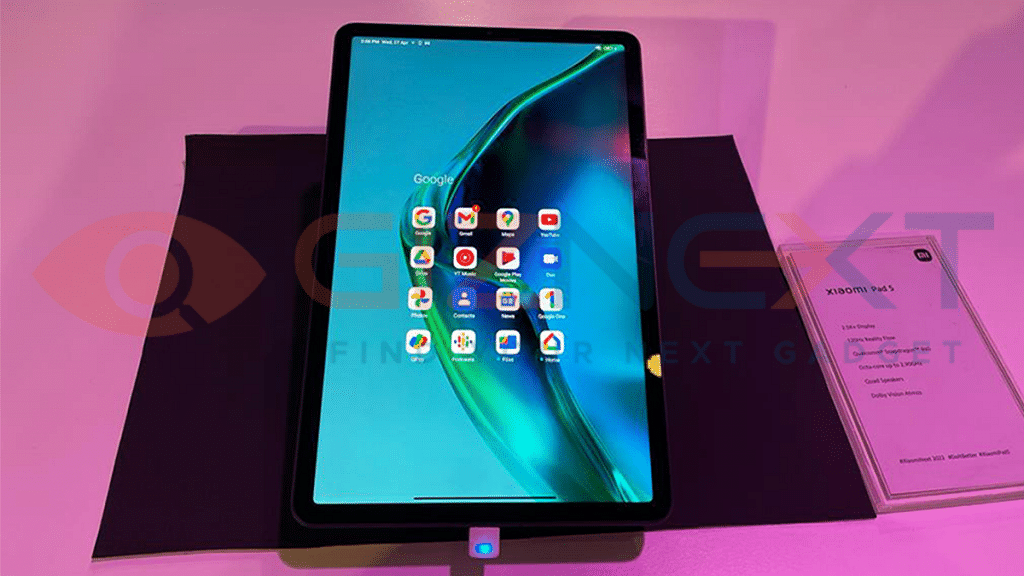
Xiaomi Pad 5 Vs OPPO Pad Tablet Full Specification Comparison; Best Buy Under Rs. 30,000 In India?

Xiaomi has started its fresh innings in the tablet space in India. The Chinese tech giant forayed into the tablet market in the country with the Xiaomi Pad 5 tablet. The first Xiaomi tablet is tagged under Rs. 30,000 and is equipped with a capable set of internals including the octa-core Snapdragon 860 chipset and a 13MP camera.

Xiaomi has earned its fame in the mobile industry in India and across the globe with its pocket-friendly devices. And amongst the top rivals of Xiaomi has been OPPO. Both these Chinese OEMs have been flooding the Indian smartphone and digital accessories market with new products and for the first time, they both have introduced a premium mid-tier Android tablet. We have done several tablet comparison articles recently.

Earlier we compared the Xiaomi Pad 5 Pro and the OPPO Pad tablet. In this article, we are comparing the standard Xiaomi Pad 5 with the OPPO Pad tablet. Which one of the two Xiaomi or the OPPO tablets is a good buy option under Rs. 30,000 price brackets in the country. Read on to know:

Xiaomi Pad 5 Vs OPPO Pad tablet: Display Features

We’ll start off this list with the Xiaomi Pad 5 tablet. Xiaomi has layered an IPS LCD panel on the Xiaomi Pad 5 that measures 11-inches in size. This LCD panel comes with a 1600 x 2560 pixels screen resolution and has an aspect ratio of 16:10. The Xiaomi tablet’s display further features an 82.8 percent screen-to-body ratio and HDR10+ certification to support 1080p video playback at OTT platforms such as Netflix and Amazon Prime videos, etc. The Xiaomi Pad 5 tablet’s display has a high 120Hz refresh rate that helps with smooth frame transitions with graphic-intensive apps and games.

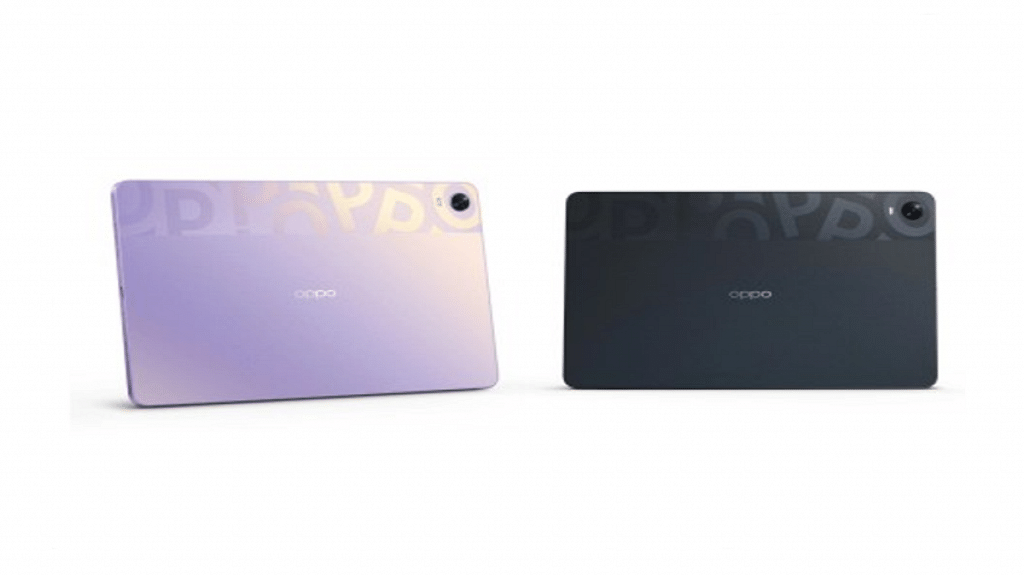
The OPPO Pad tablet also employs a high-resolution LCD panel which is similar to the Xiaomi Pad 5 in terms of features and size. The OPPO Pad tablet’s display is also 11-inches in size and supports the same 1600 x 2560 pixels screen resolution as the Xiaomi Pad 5 tablet. The refresh rate and remaining display specifications of the OPPO Pad are also identical to the Xiaomi Pad 5. Be it the 120Hz refresh rate or HDR10+ certification. You will have a good experience with binge-watching shows and movies and with gaming.

Xiaomi Pad 5 Vs OPPO Pad Tablet: Chipset, Configuration Comparison

The Xiaomi Pad 5 is tagged in the premium mid-tier tablet category with its Snapdragon 860 octa-core chipset. The 7nm flagship-grade Qualcomm chipset driving the Xiaomi Pad 5 tablet employs Adreno 640 GPU to handle all the graphically intensive apps and games without any stutters.
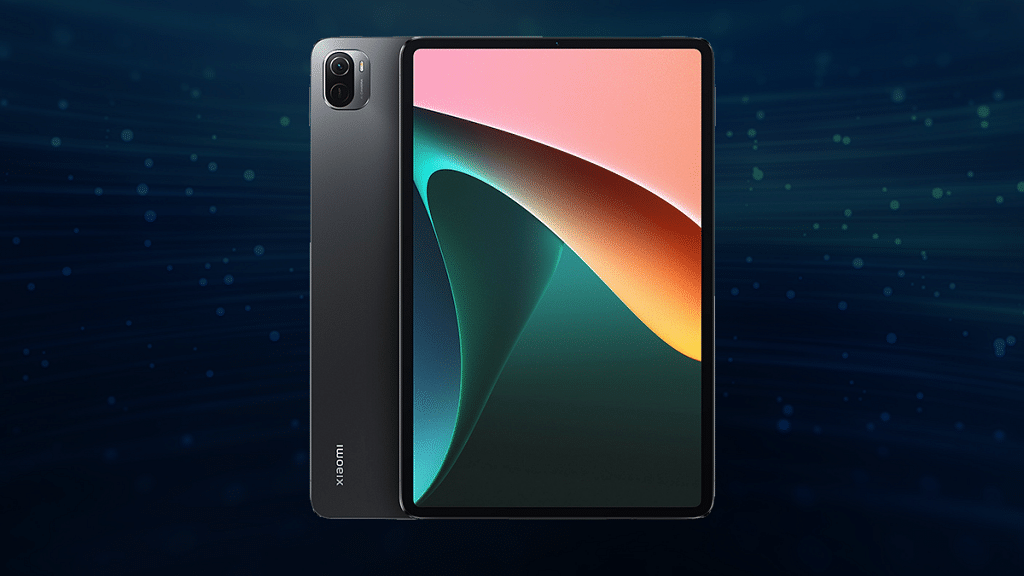
Xiaomi has launched its first Android tablet in India with 6GB RAM and 128GB UFS 3.1 storage. The configuration offered by the Xiaomi Pad 5 is powerful enough to drive general and basic tasks with ease. This tablet can also perform well with high-end apps and gaming.

The OPPO Pad tablet also uses a premium range Qualcomm 800 series chipset for power delivery; the Snapdragon 870 processor to be specific. This is a new-generation premium mobile chipset that is best known for its lag-free gaming performance.

This 5G chipset is slightly more powerful compared to the Snapdragon 860 chipset offered by the Xiaomi Pad 5 tablet. The OPPO tablet is available with 6GB/ 8GB RAM and 128GB/256GB of UFS 3.1 storage capacity.

Coming to the software, the Xiaomi Pad 5 has been pre-loaded with Android 11 OS which is topped with a custom MIUI 12.5 interface. The Xiaomi tablet also has pre-installed multiple third-party Android apps including a bunch of in-house Xiaomi apps. The OPPO Pad tablet also uses the same Android version, i.e, Android 11 OS. This tablet also has a custom UI (ColorOS 12) and a bunch of in-house and third-party apps pre-installed.

Overall, both Xiaomi Pad 5 and the OPPO Pad are among the most potent tablets under Rs. 30,000. Do note that OPPO is yet to bring the Pad 5 tablet to India. But the expected pricing of the upcoming OPPO tablet could be similar to the Xiaomi Pad 5 (below Rs. 30,000).

Xiaomi Pad 5 Vs OPPO Pad: Which One To Choose For Better Cameras?

The camera hardware on both Xiaomi Pad 5 and the OPPO Pad tablets can handle general photography requirements. The Xiaomi Pad 5 sports a single rear camera that is similar to the OPPO Pad tablet.

The Xiaomi Pad 5’s imaging setup comprises a 13MP main snapper at the back with an f/2.0 aperture along with an LED flash. The Xiaomi Pad 5’s camera setup has multiple camera modes including HDR and Panorama. The Xiaomi tablet can record 4K and 1080@30fps video recording.

The OPPO Pad tablet also has basic camera hardware likewise the Xiaomi Pad 5. The back panel on the OPPO tablet also has the same 13MP snapper with an f/2.2 aperture. This tablet’s camera also supports 4K and 1080p@30fps video recording. The shooting modes are also the same as the Xiaomi tablet so is the selfie camera.

Speaking of the selfie cameras, both Xiaomi Pad 5 ad the OPPO Pad tablet uses an 8MP camera with an f/2.2 aperture. The selfie camera on both Xiaomi and OPPO tablets can record 1080p@30fps videos. This basic camera snapper will help with decent self-portraits.

Xiaomi Pad 5 Vs OPPO Pad Tablet: Battery And Fast Charging Capacity

The Xiaomi Pad 5 tablet gets its fuel from a mammoth 8,270 mAh battery unit. This large-sized battery is capable of driving the Xiaomi tablet for more than half a day on a single charge. That’s with moderate usage all day. The fast charging speed supported by the Xiaomi Pad 5 tablet is 33W which can quickly recharge the power backup.

On the other hand, the OPPO Pad 5G tablet features a slightly bigger 8,360 mAh battery that will offer more backup compared to the Xiaomi pad tablet. The fast charging speeds offered by the OPPO tablet are the same as the Xiaomi tablet, i.e. 33W.

Xiaomi Pad 5 Vs OPPO Pad Tablet Comparison Verdict: Which One To Buy?

Both Xiaomi Pad 5 and the OPPO Pad tablet are among the most feature-rich tablets in the market. The prices for the Xiaomi Pad 5 are known since this tablet has gone official in India. However, OPPO is yet to bring the OPPO Pad tablet in the Indian market, hence, its pricing and availability details are not known. You can go for any of the tablets depending on which one goes easy on your pockets.

Do let us know your thoughts in the comments below. You can follow the GizNext Tech Enthusiast Telegram group and GizNext Tech Enthusiast WhatsApp group for fresh technology updates.
Categories
Comparison Featured Tablet

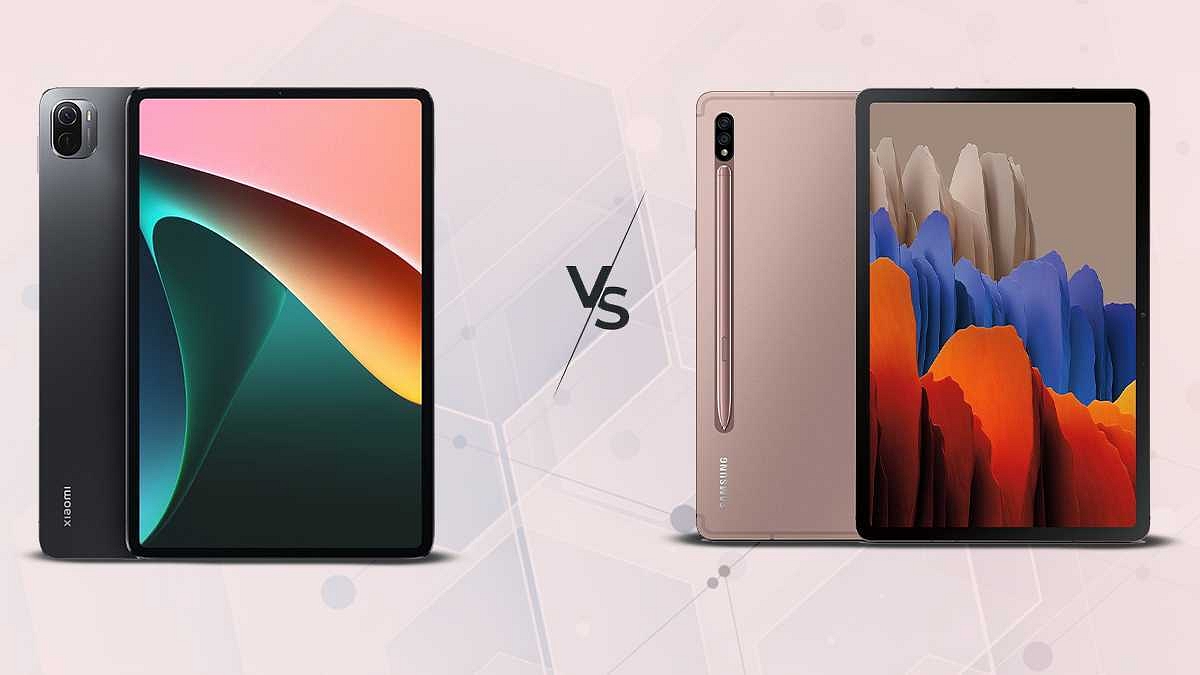
Xiaomi Pad 5 Vs Samsung Galaxy Tab S7 Tablet Comparison; Which Tablet Is Best Buy Under Rs. 30,000?

Xiaomi has revamped its product portfolio in India with a slew of products. The Xiaomi Pad 5 also broke covers alongside the flagship Xiaomi 12 Pro series and the OLED Vision smart TV lineup. Xiaomi had introduced all new products for the premium audience in the Indian market. The Xiaomi Pad 5 has arrived as one of the most capable Android tablets under Rs. 30,000 in India. It is also Xiaomi’s first Android tablet for the Indian audience.

There have been a bunch of new launches in the tablet segment in the aforementioned price bracket. The OPPO Pad tablet is one of the latest strongest contenders for the Xiaomi Pad 5. We already have compared both these premium mid-tier Android tablets. This time we are pitting the Xiaomi Pad 5 against Samsung’s popular premium range tablet, i.e, the Galaxy Tab S7.

The Xiaomi Pad 5 brings potent hardware at lower rates compared to the Galaxy Tab S7? But can it easily beat the Samsung tablet based on spec-sheet and performance? We have tried to break it down for you in this comparison article:

Xiaomi Pad 5 Vs Galaxy Tab S7: Display Specification Comparison

The Xiaomi Pad 5 has been launched in India with a massive 11-inch display panel. Xiaomi has used a standard IPS LCD panel which has an aspect ratio of 16:10. The Xiaomi tablet’s display supports 1600 x 2560 pixel screen resolution and 1B colors. The large LCD panel further offers a 120Hz refresh rate and is HDR10+ certified.

The panel also features Dolby Vision for better visuals in every scenario. Xiaomi has used a good quality display on the Pad 5 tablet that will be suitable in every scenario. It fits best for high-resolution video consumption and also gaming.

The Samsung Galaxy Tab S7’s display size and specifications are almost identical to the Xiaomi Pad 5 tablet. The Galaxy Tab S7 also features an 11-inch display that is an LCD panel with 1600 x 2560 pixels screen resolution. The Samsung Galaxy tablet’s display also supports the same 120Hz refresh rate as the Xiaomi Pad 5’s panel and is also HDR10+ certified.

The display performance wouldn’t be much different on both Samsung Galaxy Tab A7 and the Xiaomi Pad 5. Besides the video playback experience, the Samsung tablet’s display will offer good gaming visuals as well.

Xiaomi Pad 5 Vs Galaxy Tab S7 Tablet: Which Has Better Camera Hardware?

The Xiaomi Pad 5 has basic camera hardware for imaging. At the back, the Xiaomi Pad 5 uses a single 13MP primary sensor with an f/2.0 aperture. The main camera has a bunch of shooting modes pre-installed in the camera app for an improved imaging experience. The Xiaomi Pad tablet supports 4K@30fps and 1080p@30fps video recording. It also is capable of capturing HDR images and Panorama shots.

The Samsung Galaxy Tab S7 isn’t far behind the Xiaomi Pad 5 in terms of imaging hardware. Samsung has also used a single 13MP camera for optics on the Galaxy Tab S7. The main camera comes with an f/2.0 aperture and has almost the same features and shooting modes as the Xiaomi tablet. This Samsung tablet is also capable of recording 4K@30fps video recording and offers HDR, Panorama, and other shooting modes.

While both Xiaomi Pad 5 and the Samsung Galaxy Tab A7 have identical rear camera hardware, it’s the selfie camera race where the Xiaomi tablet wins. Xiaomi has used an 8MP snapper with an f/2.0 aperture for selfies and video chats, while Samsung has used a smaller 5MP camera for selfies on its premium mid-range tablet.

Xiaomi Pad 5 Vs Samsung Galaxy Tab S7 Tablet: Chipset, Software Comparison

Under the hood, the Xiaomi Pad 5 tablet utilizes the Snapdragon 860 processor as its brain of operations. The premium Qualcomm chipset is built using a 7nm fabrication process and has octa-cores combined with Adreno 640 GPU. This high-range chipset will allow the Xiaomi Pad 5 Pro to take on all the tasks swiftly.

This tablet’s performance delivery will be good with general as well as extensive tasks. As for the configuration, the Xiaomi Pad 5 comes with a single 6GB RAM but a dual 128G/ 256GB storage configuration.

On the other hand, the Samsung Galaxy Tab A7 has a slightly upgraded chipset compared to the Xiaomi Pad 5. The Samsung tablet is driven by the octa-core Snapdragon 865 chipset. This is also an octa-core Qualcomm chipset that is used on premium range devices. The Galaxy Tab A7’s processor employs Adreno 650 GPU to render intensive graphics with ease.

This Samsung tablet is available with a higher RAM and storage configuration which adds some extra pointers here. You can buy the Galaxy Tab A7 with 6GB+ 128GB, 8GB+ 256GB, and 8GB+512GB RAM configuration.

If you wish to use the latest Android OS, then the Xiaomi Pad 5 is the one you need to consider. The Xiaomi Pad 5 tablet is launched with Android 11 OS and has MIUI 12.5 interface pre-installed. On the other hand, the Samsung Galaxy Tab S7 ships with older Android 10 OS out-of-the-box topped with a custom OneUI interface.

Xiaomi Pad 5 Vs Samsung Galaxy Tab S7: Battery And Fast Charging Comparison

The Xiaomi Pad 5 has been launched with a humongous 8,720 mAh battery. With this massive battery capacity, the Xiaomi tablet will deliver close to an entire day of backup on a single charge. The fast charging speed offered by the Xiaomi Pad 5 is 33W. The Samsung Galaxy Tab S7 is powered by a slightly smaller 8,000 mAh battery. The Samsung tablet makes up for the smaller battery by offering faster 45W charging speeds.

Xiaomi Mi Pad 5 Vs Samsung Galaxy Tab S7 Verdict: Which One Is The Best Deal?

If we compare the specifications, both Xiaomi Mi Pad 5 and the Samsung Galaxy Tab S7 are feature-rich in terms of hardware. The Samsung tablet has slightly better fast charging speeds and also higher configurations. But if you consider the pricing, the Xiaomi Pad 5 takes the lead here.

Do let us know your thoughts in the comments below. You can follow the GizNext Tech Enthusiast Telegram group and GizNext Tech Enthusiast WhatsApp group for fresh technology updates.

Categories
Comparison Featured Mobile

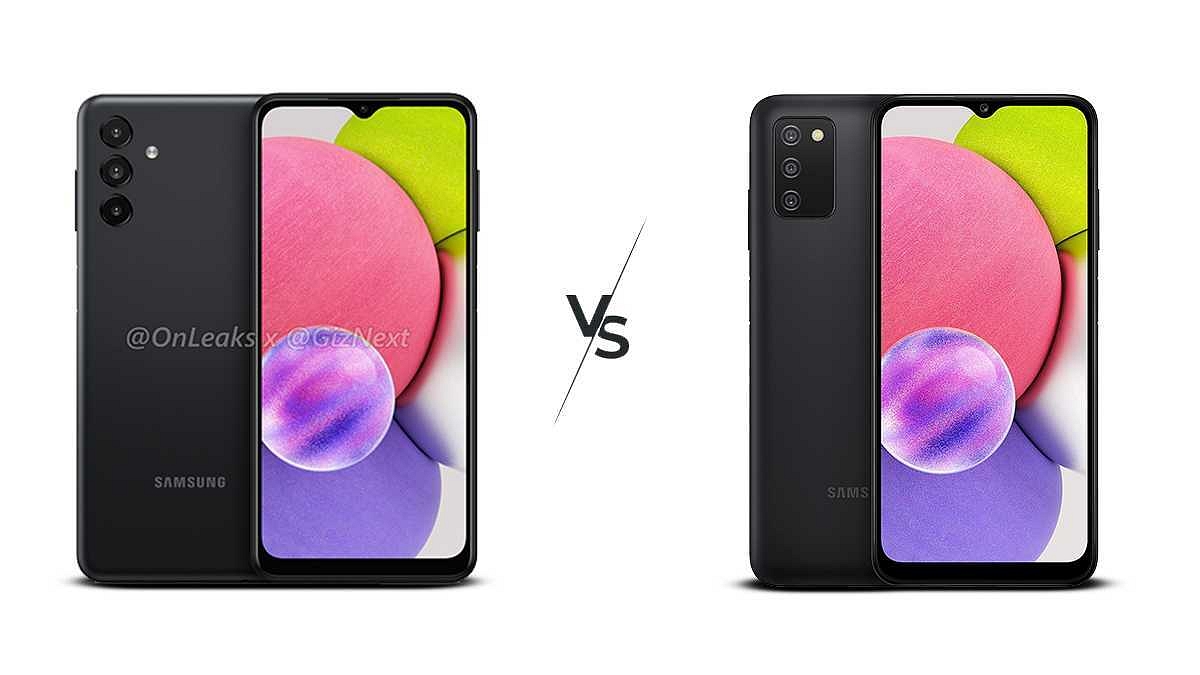
Upcoming Samsung Galaxy A04s Vs Galaxy A03s: Budget Android Phone Comparison

Samsung is all set to revamp its budget smartphone series with the launch of the Galaxy A04s. The upcoming handset will be an entry-level phone similar to its predecessor, i.e, the Galaxy A03s. Samsung had introduced the Galaxy A03s last year with a budget Helio P series processor, an HD+ display, and a massive 5,000 mAh battery. However, the Galaxy A04s is rumored to bring some noticeable changes compared to its predecessor.

The changes are not just going to be limited to just the hardware. We can confirm the latter as we have received the 5K renders of the Galaxy A04s via a noted industry source (@onleaks). Samsung might launch the Galaxy A04s in India alongside the global regions in the coming months. But what all upgrades would we get to see on the latest Galaxy A series phone? Would it be priced higher compared to its predecessor in India? Let’s find out:

Samsung Galaxy A04s Vs Galaxy A03s: Design Comparison

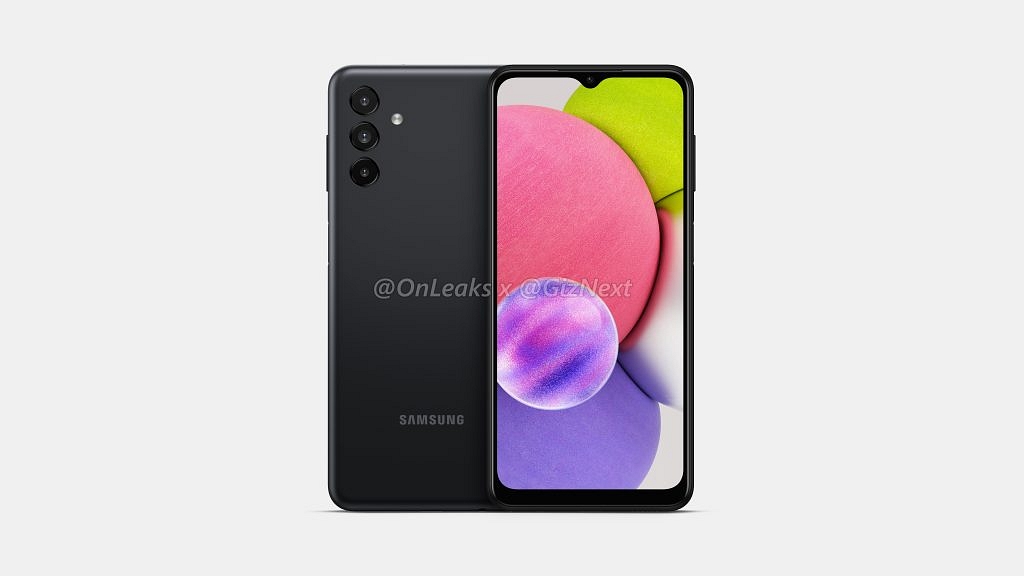
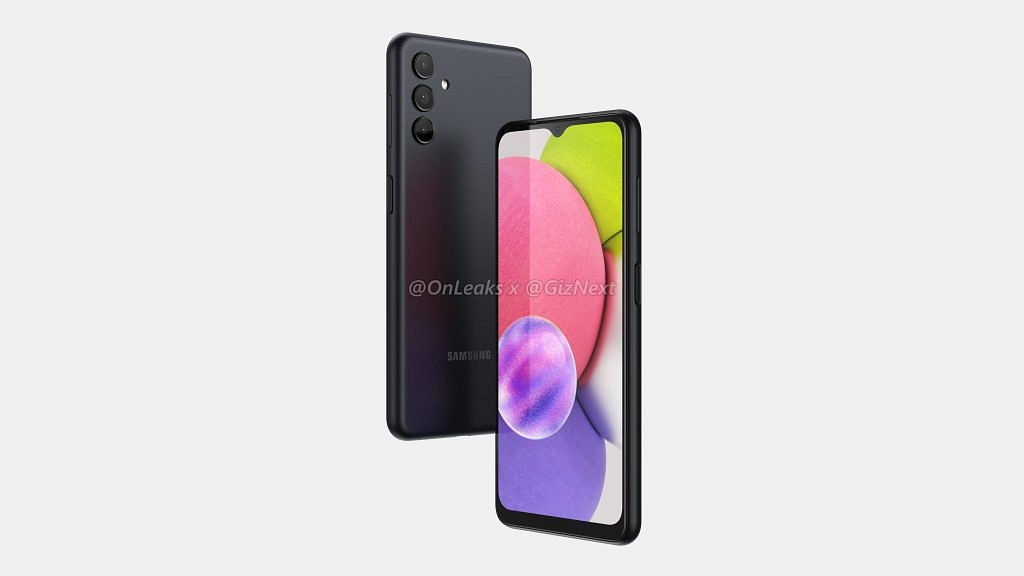
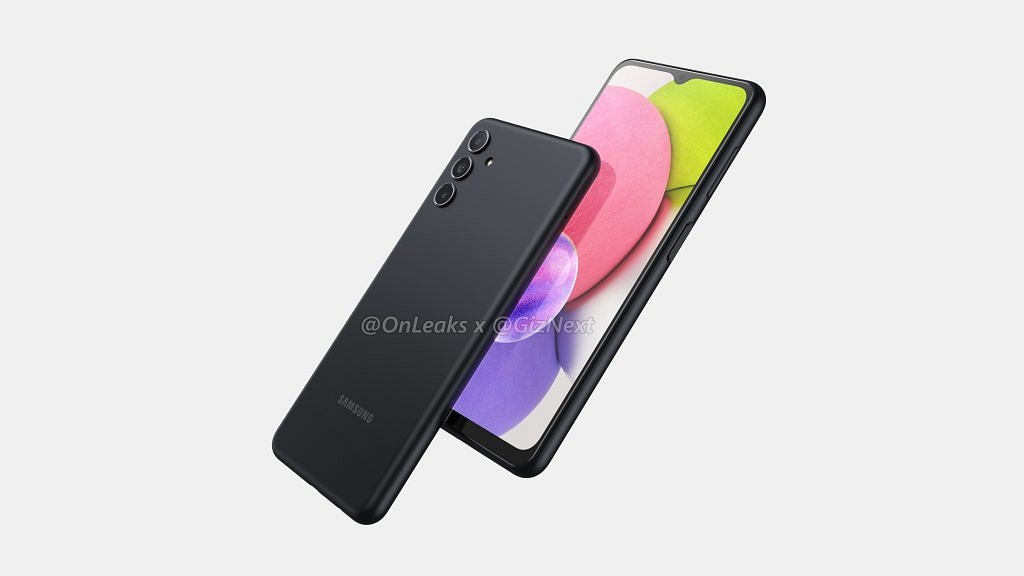
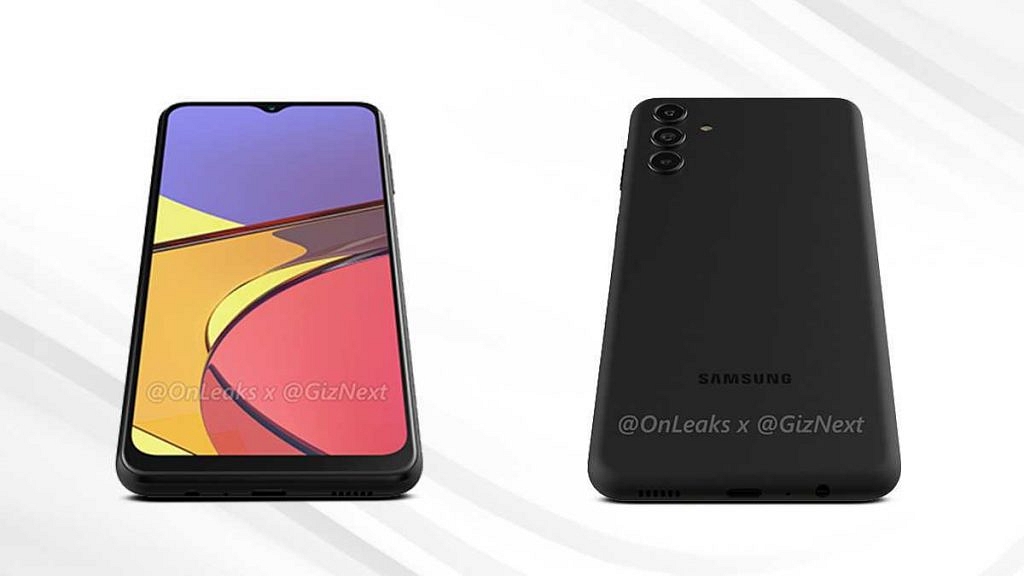
The Samsung Galaxy A04s will have a refreshed design compared to its predecessor, i.e, the Galaxy A03s. The 5K renders that we received showed a re-worked back panel which is now more appealing. The upcoming Galaxy A04s will wear a matte skin at the back with an all-new camera module. This time also Samsung has used a triple-lens setup on the Galaxy A04s.

However, all the cameras are positioned on the upper left corner separately instead of being packed inside a vertical or square-shaped module. This is one of the key design differences between both Galaxy A04s and Galaxy A03s. For reference, the Galaxy A03s has a vertical camera module on the top-left of the back panel.

Upfront, the Galaxy A04s will pack a tall display that will have a slim side and top bezel but a thick chin bezel. The notch isn’t changed compared to the Galaxy A03s. Both units sport a waterdrop style notch (Infinity V panel). The remaining design aspects of the Galaxy A03s and the Galaxy A04s remain unchanged.

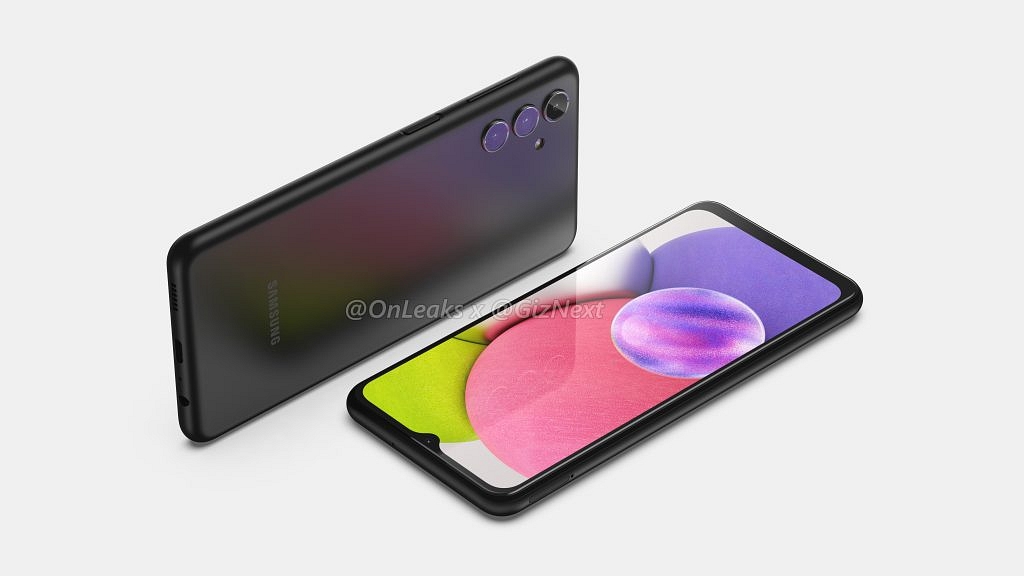
Both handsets pack the power and the volume key on the right spine. Notably, the power key on both phones integrates a fingerprint scanner for security. The bottom panel on both Galaxy A03s and the Galaxy A04s has the USB Type-C port along with the speaker grille.

Samsung Galaxy A04s Vs Galaxy A03s: Display Specification Comparison

Our tipster has revealed the display specifications of the Galaxy A04s. The upcoming budget Galaxy A series phone will be packing a 6.5-inch display. The screen resolution and refresh rate details aren’t revealed just yet. However, we might see a standard 720P HD+ screen resolution along with a 60Hz refresh rate.  

The Galaxy A03s was also launched with a 6.5-inch HD+ display. The panel used is TFT with 720p HD+ resolution. It remains to be seen if Samsung uses an upgraded LCD panel on the Galaxy A04s uses the same TFT panel.

Samsung Galaxy A04s Vs Galaxy A03s: Other Key Specs Comparison

The Samsung Galaxy A04s is rather a newbie at the rumor mill. Its remaining hardware specifications such as camera and battery details are unannounced as of now. Samsung might change the chipset and the camera hardware on the new-generation budget Galaxy A phone. But the changes would be confirmed once more details on the hardware are available.  Nevertheless, the Galaxy A04s will also be an entry-level handset similar to its predecessor.

So we can expect a similar launch price as the Galaxy A03s in India. Speaking of which, the Galaxy A03s is now available for sale in India at around Rs. 10,998 via Amazon for the 3GB RAM and 32GB storage model and Rs. 11,599 for the 4GB RAM and 64GB storage model. This suggests the Galaxy A04s will be launched under Rs. 15,000 price bracket in India.

Categories
Featured Mobile Reviews

iQOO Z6 Pro 5G First Impressions: Makes The Cut?

iQOO has launched another new Z6 series phone in India. The iQOO Z6 Pro 5G has arrived as the brand’s newest premium mid-tier Android phone for the gaming audience in India. iQOO has launched three different variants of the Z6 Pro 5G in India including 6GB+ 128GB, 8GB+128GB, and 12GB+ 256GB priced at Rs. 23,999, Rs. 24,999, and Rs. 28,999 respectively.

Several smartphone OEMs including the major players such as Xiaomi, OnePlus, OPPO, and Vivo have introduced numerous handsets under Rs. 30,000 price bracket backed by 5G connectivity. With multiple options available in this price segment, does the iQOO Z6 Pro 5G adds to the crowd? Or does the latest iQOO Z series phone pack enough punch to crawl up the ladder? We at Giznext have managed to get out hands on the iQOO Z6 Pro 5G and in this article, we are doing the first impressions/ quick review of the latest iQOO gaming phone.

iQOO Z6 Pro 5G First Impressions: Display And Design Overview

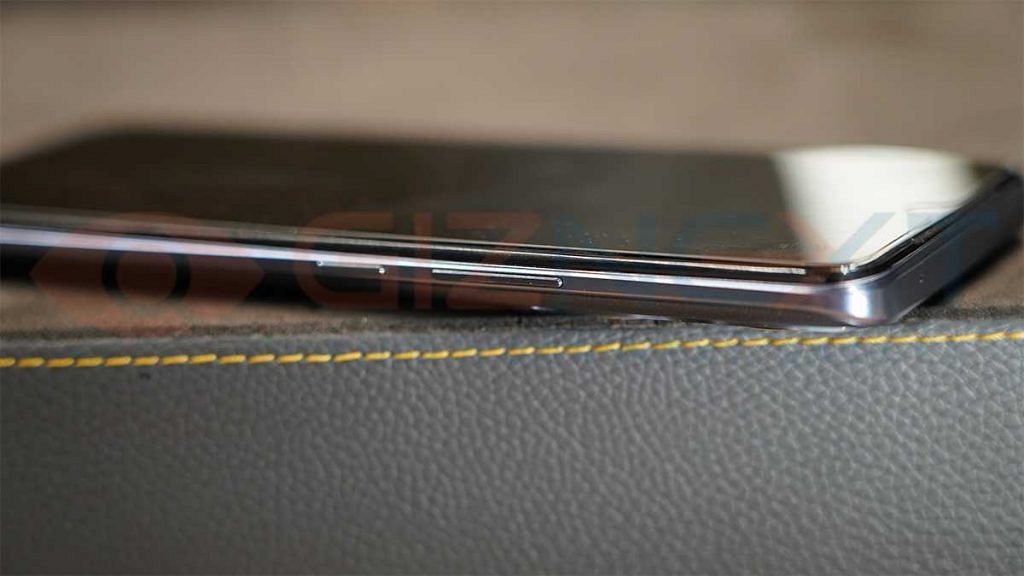
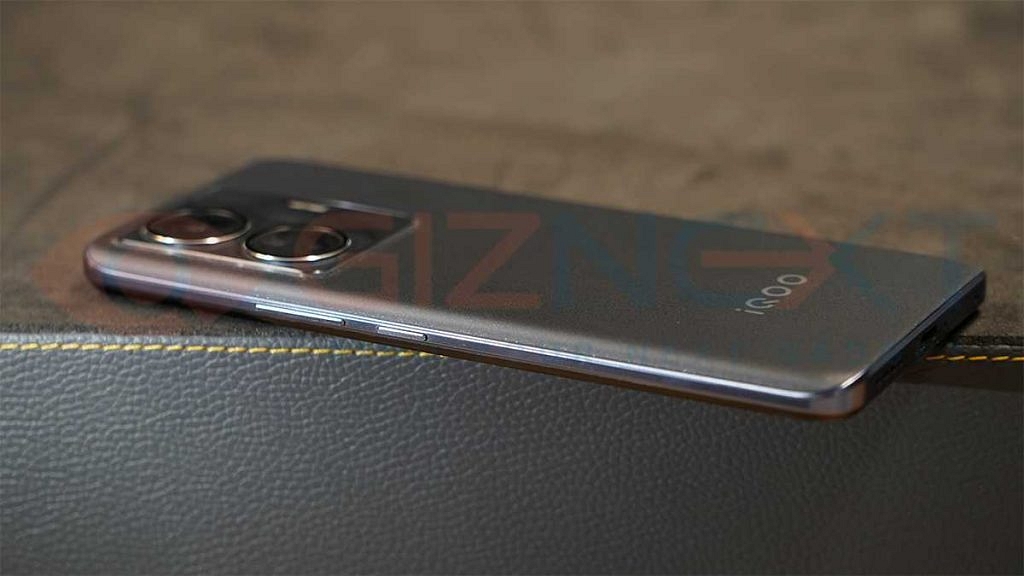
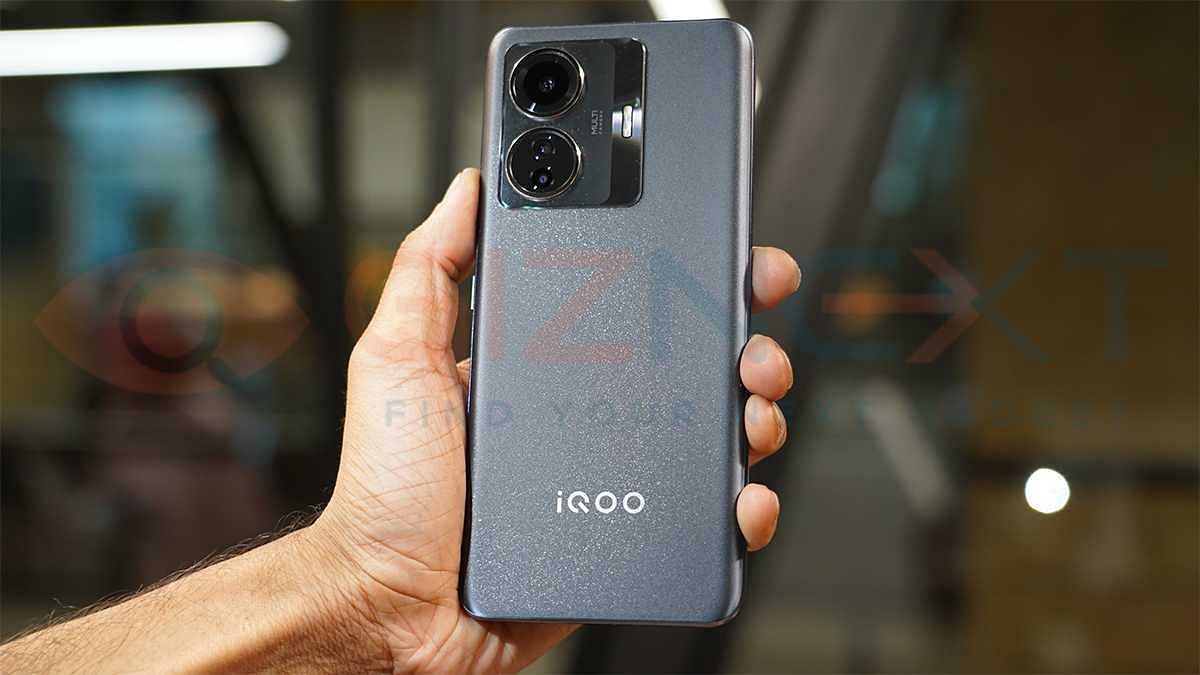
iQOO has managed to keep a premium design language for its mid-tier and affordable phones. The iQOO Z6 Pro 5G with a subtle yet premium appeal makes for a good example of the same. The Z6 Pro 5G has a slim profile which along with the matte-gradient mix textured back panel feels premium to hold. iQOO has redesigned the camera module which adds to the overall appeal.

It is a big square module that houses two large camera rings with metallic layering. This protruding camera module is the x-factor in terms of design. It is worth mentioning that the iQOO Z6 Pro 5G comes in Phantom Dusk and Legion Sky shades. We have received the former for review.

The front panel isn’t entirely re-worked. The company has used a tiny punch-hole camera cutout at the center top for the selfie camera. Both volume and the power keys are placed on the right panel, while the left panel is kept barren. At the bottom, the iQOO Z6 Pro 5G has the hybrid SIM slot along with the USB Type-C port and the speaker grille. We had a decent experience with single-hand usability. Despite being a tall handset, operating the Z6 Pro 5G with one hand isn’t a big task.

As for the display, the iQOO Z6 Pro 5G features a 6.44-inch AMOLED panel. This time iQOO has selected an upgraded panel that helps with improved gaming visuals. The Z6 Pro 5G’s AMOLED display supports 1080 x 2404 pixels FHD+ resolution and 409 PPI pixel density. Upon using the Z6 Pro 5G’s panel for a fee days, we found it to be apt for high-resolution video playback. The display by default has a warmer color temperature.

So, it doesn’t strain your eyes despite being hooked to the screen for long. With a high 90Hz refresh rate, the Z6 Pro 5G’s panel delivers good gaming feedback as well. The sunlight legibility seems decent as of now. We will be testing the panel extensively and give you detailed feedback in the comprehensive review of the Z6 Pro 5G.

iQOO Z6 Pro 5G Quick Review: How’s The Hardware Performance?

While we are yet to test the iQOO Z6 Pro 5G’s power performance, our initial experience with different tasks has been good. The Z6 Pro 5G is a game-centric phone that is powered by the octa-core Snapdragon 778G processor under the hood. This premium mid-tier chipset by Qualcomm has been driving some other recent popular mid-range Android phones and is well known for its power delivery.

During our brief usage period, the iQOO Z6 5G kept lags and stutters at bay. We were able to open and use multiple tasks without any noticeable change in the performance. We have tested its performance with a handful of games such as Shadow Fight IV and Asphalt 9.

The Z6 Pro 5G’s gaming chipset with Adreno 642L GPU support did not let us down. We haven’t experienced any heat-up issues yet. But we will be testing the handset’s performance with extreme gaming going forward. As for the configurations, you can select the Z6 Pro 5G with up to 12GB RAM and 256GB storage. Our suggestion would be to go for the top-end model so that you get the maximum performance without any compromises on speed.

Do let us know your thoughts in the comments below. You can follow the GizNext Tech Enthusiast Telegram group and GizNext Tech Enthusiast WhatsApp group for fresh technology updates.
Categories
Comparison Featured Mobile

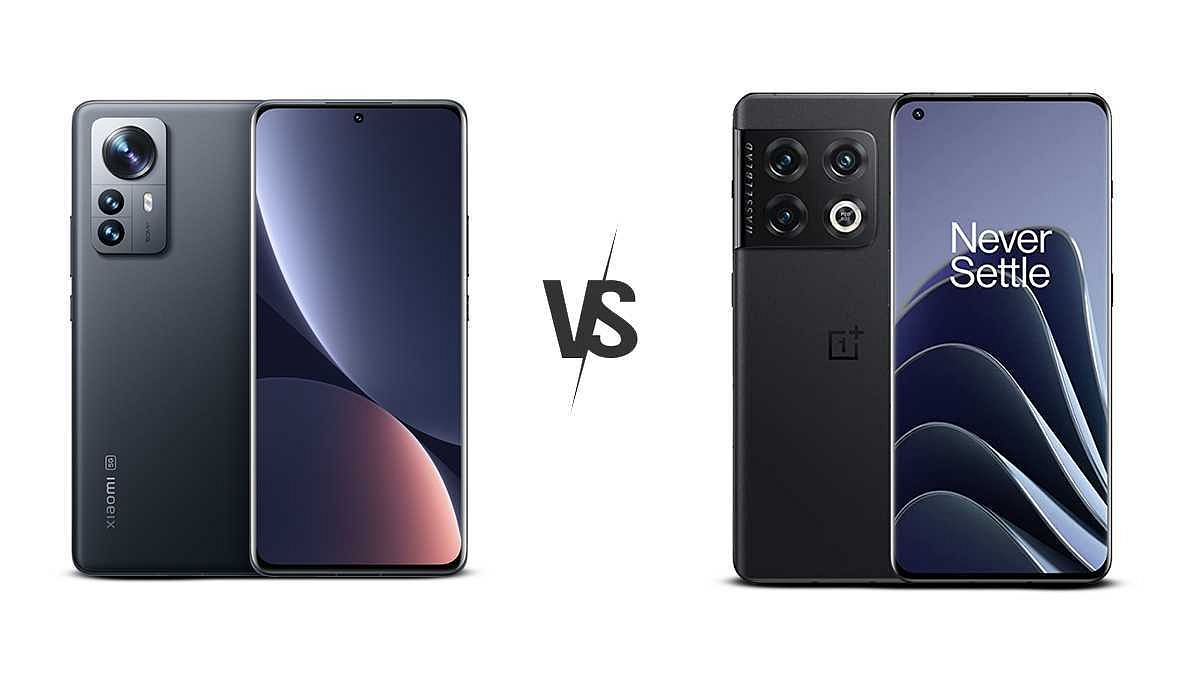
Xiaomi 12 Pro Vs OnePlus 10 Pro Full Specification Comparison; Which Flagship Phone Is Best?

After being a hub for budget smartphones, India has now become a popular market for smartphone OEM’s for premium range devices. Specifically, the Chinese smartphone OEMs that have dominated the affordable Android smartphone category in India are now flooding the Indian shelves with high-end phones. Earlier this year OnePlus introduced its first Snapdragon 8 Gen 1 chipset-driven phone, i.e, the OnePlus 10 Pro. Now, Xiaomi has also launched its new player in the premium smartphone race dubbed Xiaomi 12 Pro.

The latest flagship Xiaomi handset is also powered by the new-generation Qualcomm flagship Snapdragon 8 Gen 1 SoC and takes on the OnePlus 10 Pro with its potent camera and display hardware. But if you had to select any one of the Xiaomi 12 Pro or the OnePlus 10 Pro, which one should it be? In this comparison article, we listed down the key specs and differences between both OnePlus and Xiaomi phones so that it becomes easy for you to decide.

Xiaomi 12 Pro Vs OnePlus 10 Pro: Display Features

Both Xiaomi 12 Pro and the OnePlus 10 Pro are equipped with the best-in-class display panel. If we speak of the specifications, the Xiaomi 12 Pro has a big 6.73-inch display which is an LTPO AMOLED panel with an 89.6 percent screen-to-body ratio and a 20:9 aspect ratio. The Xiaomi flagship phone’s display offers a QHD+ screen resolution of 1440 x 3200 and a 120Hz refresh rate.

Additionally, the Xiaomi 12 Pro’s display also features HDR10+ certification, Dolby Vision support, and peak brightness levels of 1000 nits. Protecting the panel here from scratches and accidental drops is a Corning Gorilla Glass Victus protection.

The OnePlus 10 Pro also features a 6.7-inch display. It is a Fluid AMOLED LTPO2 display that has almost identical specs as the Xiaomi 12 Pro. The OnePlus 10 Pro’s display supports the same QHD+ screen resolution of 1400 x 3216 and 120Hz refresh rate. This panel is also HDR10+ certified and protected by the Corning Gorilla Glass Victus layer on top.

Notably, the display on both Xiaomi 12 Pro and the OnePlus 10 Pro is embedded with an optical fingerprint scanner for security. Performance-wise, both Xiaomi 12 Pro and the OnePlus 10 Pro’s display will deliver crisp and vivid output that will enhance the overall viewing experience.

Xiaomi 12 Pro Vs OnePlus 10 Pro: Camera Comparison

The imaging setup is where both Xiaomi 12 Pro and the OnePlus 10 Pro compete majorly for the top spot. Starting with the Xiaomi 12 Pro, the triple rear camera setup at the back here features a 50MP Sony IMX 707 main sensor with OIS (Optical Image Stabilization) and dual pixel PDAF. The primary camera on the Xiaomi 12 Pro is combined with another 50MP camera which is an ultrawide lens with an f/2.2 aperture and a third 50MP telephoto sensor with an f/1.9 aperture and 2X optical zoom.

The Xiaomi 12 Pro’s rear cameras are capable of recording up to 8K@24fps videos. The large camera sensors along with Xiaomi’s latest mobile camera technology will allow the Xiaomi 12 Pro to deliver professional-grade output.

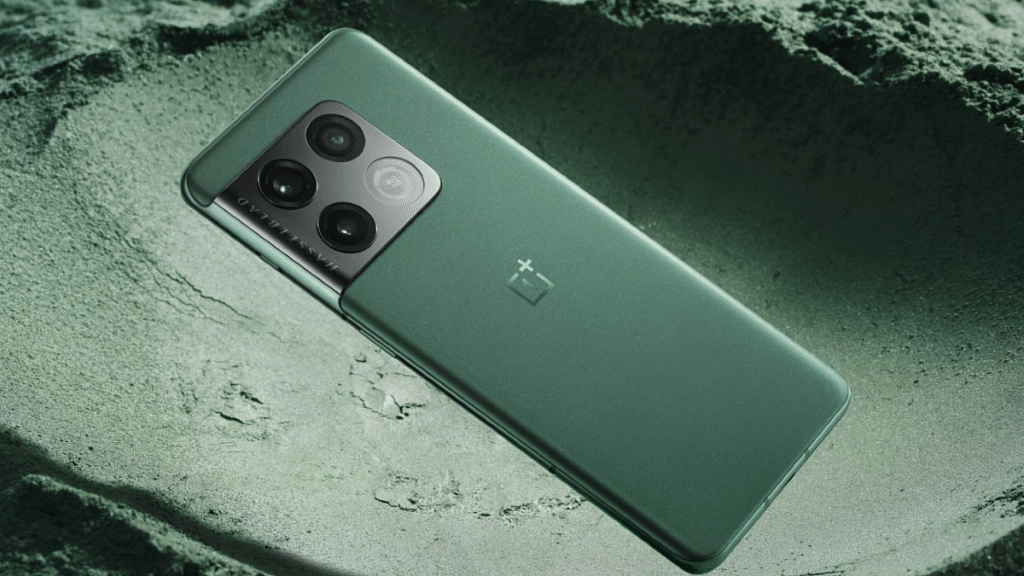
The OnePlus 10 Pro’s Hasselblad series cameras at the back are also designed for the photography-oriented masses. The specifications here are different compared to the Xiaomi 12 Pro. The OnePlus 10 Pro also offers three cameras at the back with the main lens being a 48MP sensor with an f/1.8.

The primary camera gets OIS (Optical Image Stabilization) and Laser AF support along with PDAF (multidirectional). Aiding the main camera on the OnePlus 10 Pro is an 8MP telephoto sensor with 3.3x optical zoom and a 50MP ultrawide sensor with 150-degree FoV. The OnePlus 10 Pro’s rear cameras are also capable of recording up to 8K@24fps videos. On paper, the Xiaomi 12 Pro has slightly better camera hardware at the back compared to the OnePlus 10 Pro.

Coming to the selfie cameras, both Xiaomi 12 Pro and the OnePlus 10 Pro feature the same sized 32MP snapper with an f/2.5 aperture. The front camera on both OnePlus and Xiaomi phones can record up to 1080p@60/30fps selfie videos.

Xiaomi 12 Pro Vs OnePlus 10 Pro: Chipset, Configuration, Software Comparison

Both Xiaomi 12 Pro and the OnePlus 10 Pro’s power delivery is handled by Qualcomm’s top-tier Snapdragon 8 Gen 1 chipset. The flagship octa-core processor is designed using a 4nm fabrication process and has Adreno 730 GPU support. The new-gen Xiaomi and OnePlus phones can deliver a lag-free experience even with extensive multitasking or gaming.

Both smartphones come with up to 12GB LPDDR5 RAM and 512GB UFS 3.1 storage capacity. The Xiaomi 12 Pro and the OnePlus 10 Pro are pre-loaded with the latest Android 12 OS. While the Android version is the same on both smartphones, the custom user interface is different. The Xiaomi 12 Pro features an MIUI interface, while the OnePlus 10 Pro has OxygenOS UI.

Xiaomi 12 Pro Vs OnePlus 10 Pro: Battery Hardware, Fast Charging Comparison

The Xiaomi 12 Pro gets its power from a 4,600 mAh battery unit which is accompanied by 120W fast wired charging. The handset also supports 70W wireless charging. The OnePlus 10 Pro packs a bigger 5,000 mAh battery compared to the Xiaomi 12 Pro. However, the wired fast charging speed is slightly lower here at 80W. The wireless charging speeds are better than the Xiaomi 12 Pro, i,e. 65W.

Do let us know your thoughts in the comments below. You can follow the GizNext Tech Enthusiast Telegram group and GizNext Tech Enthusiast WhatsApp group for fresh technology updates.
Categories
Featured Info Mobile

OPPO A16K Price In India Axed By Rs. 1,000; Still Worth A Buy?

OPPO has launched several A series phones this year in India including the A16K. The entry-level OPPO handset arrived as an option for the budget-conscious users in the country with features such as an HD+ display, a single back camera, and more. The company had launched the top variant of the handset under Rs. 12,000. But with more budget OPPO phones incoming, the company has axed the A16K prices in India. How much discount has the brand given to the budget OPPO A series phone? Does the new price cut make it worth buying? Here’s what we think:

OPPO A16K Gets Massive Price Cut In India

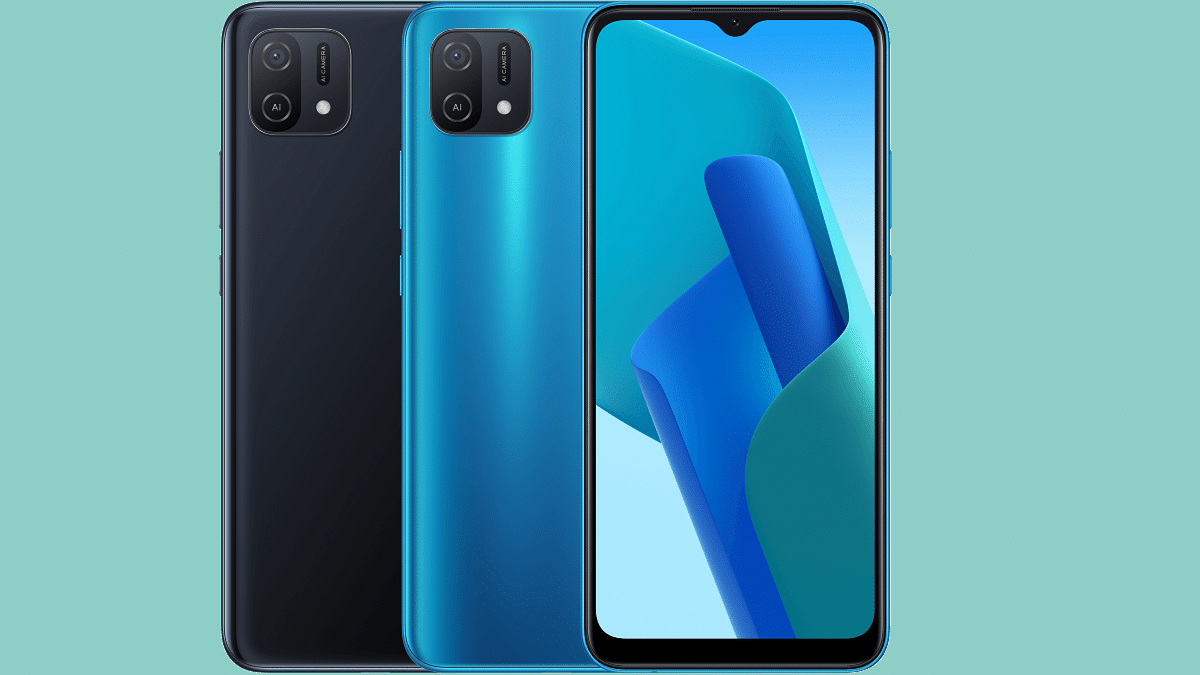
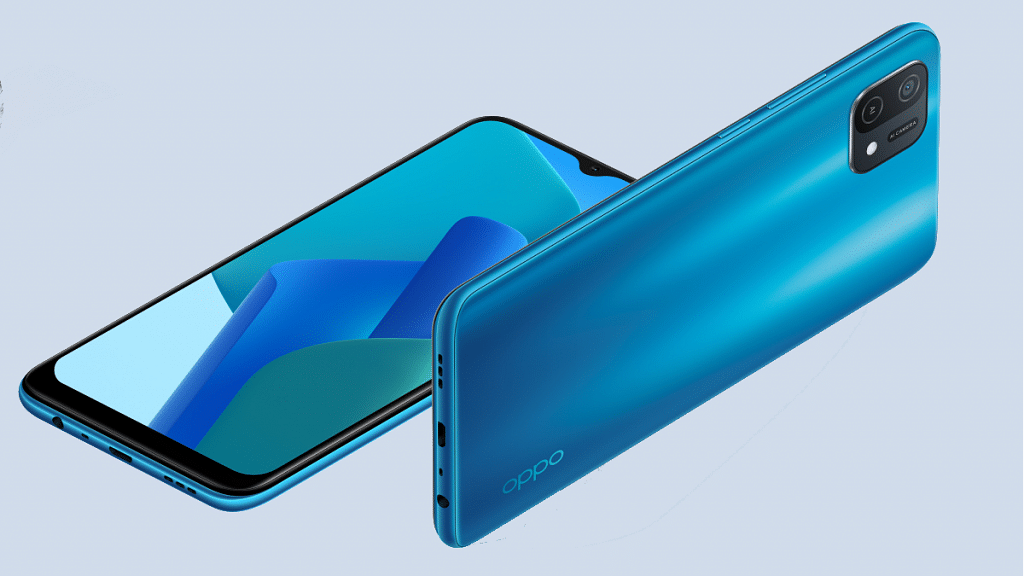
The OPPO A16K has been given a huge discount of Rs. 1,000 in India. The Chinese tech giant has axed the prices of both variants. For reference, OPPO has launched the A16K with a 3GB RAM+ 32GB storage and 4GB RAM+ 64GB storage configuration. This top model (4GB) was introduced at Rs. 11,990 in the Indian market. Following the latest discount, the A16K 4GB variant is retailing at Rs. 10,990.

On the other hand, the OPPO A16K with 3GB RAM arrived with Rs. 10,990 price tag in India and now can be purchased at Rs. 9,990. The OPPO A16K India price cut detail has been initially shared by Mahesh Telecom. The tweet shared by the retailer suggests the discount is being offered on the 4GB RAM variant only. Also, at the time of writing this article, the new price was also updated on the e-commerce portals such as Amazon, Croma, and Vijay Sales. The OPPO A16K color options available are black, blue, and white.

Is OPPO A16K Worth Buying Post Discount?

The OPPO 16K is a budget handset that packs some entry-level hardware for general day-to-day use. It is driven by the octa-core Helio G35 chipset. This low-end gaming chipset employs IMG Power GE8320 GPU to render graphics smoothly during gaming and up to 4GB RAM for multitasking.

The storage option offered by the budget OPPO handset is up to 64GB which is further expandable via a microSD card. The OPPO A16K offers a big 6.52-inch display at a budget price point. However, it is a standard LCD that supports 720 x 1600 pixels HD+ screen resolution and 60Hz refresh rate. The imaging setup offered by the OPPO A16K is also basic. At the back, the A16K has a single 13MP camera along with an LED flash.

To capture selfies and for video chats, this budget OPPO phone has a 5MP camera packed inside the waterdrop notch upfront. The software pre-installed is Android 11 OS combined with a custom Color OS interface. The connectivity features are also basic including 4G LTE, Wi-Fi, Bluetooth, and GPS. The battery driving the OPPO A16K measures 4,230 mAh combined with standard 10W charging.

So is it worth buying? Well, at an asking price of Rs. 9,990, the OPPO A16K makes for a decent phone that you can consider as a daily driver. It has all the basic set of features that you need in a modern-day smartphone and is also cheaper with the latest discount.

Do let us know your thoughts in the comments below. You can follow the GizNext Tech Enthusiast Telegram group and GizNext Tech Enthusiast WhatsApp group for fresh technology updates.
Categories
Featured Leaks Mobile

[Giznext Exclusive]: Samsung Galaxy A04s Budget Phone 5K Renders, Dimensions Leaked; Here Are The Key Specs

Samsung has been catering to the budget audience across the globe and in India with its Galaxy M and the Galaxy A series. The South Korean tech giant has refreshed both these smartphone lineups multiple times this year already and is planning to add some more devices going forward. We at Giznext have managed to get details related to the next Samsung Galaxy A series phone, i.e, the Galaxy A04s. What all features we can expect from the upcoming budget Samsung phone? Below are the details:

Samsung Galaxy A04s 5K Renders Reveal Design In Full Glory

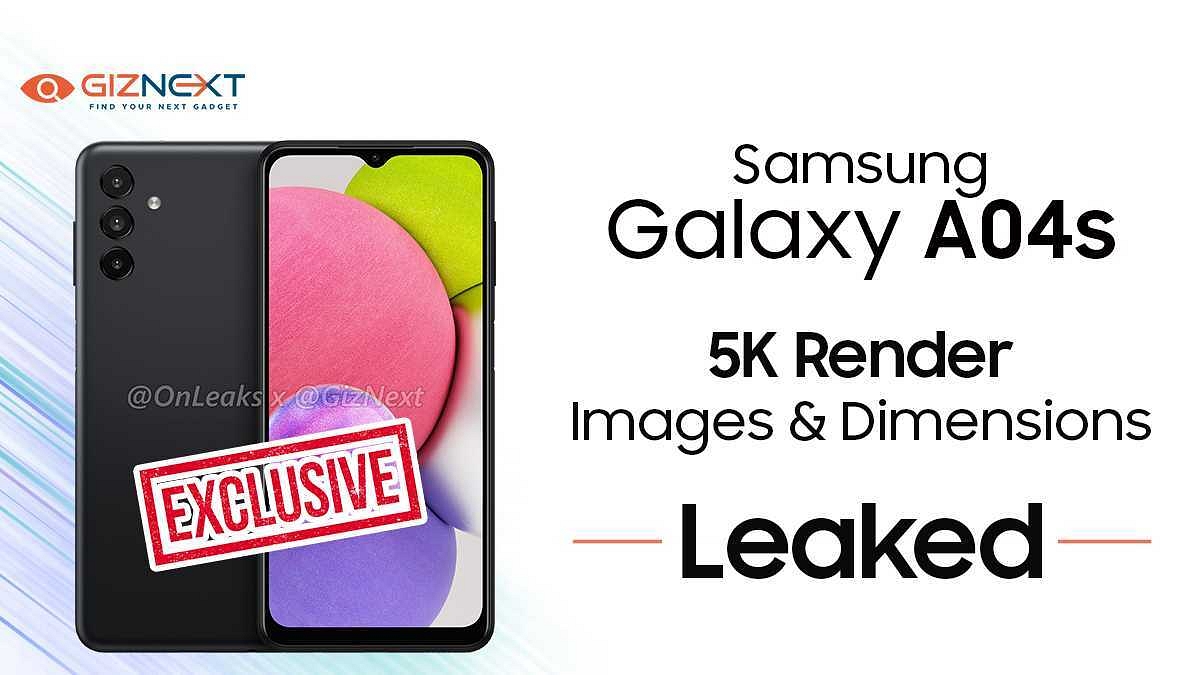
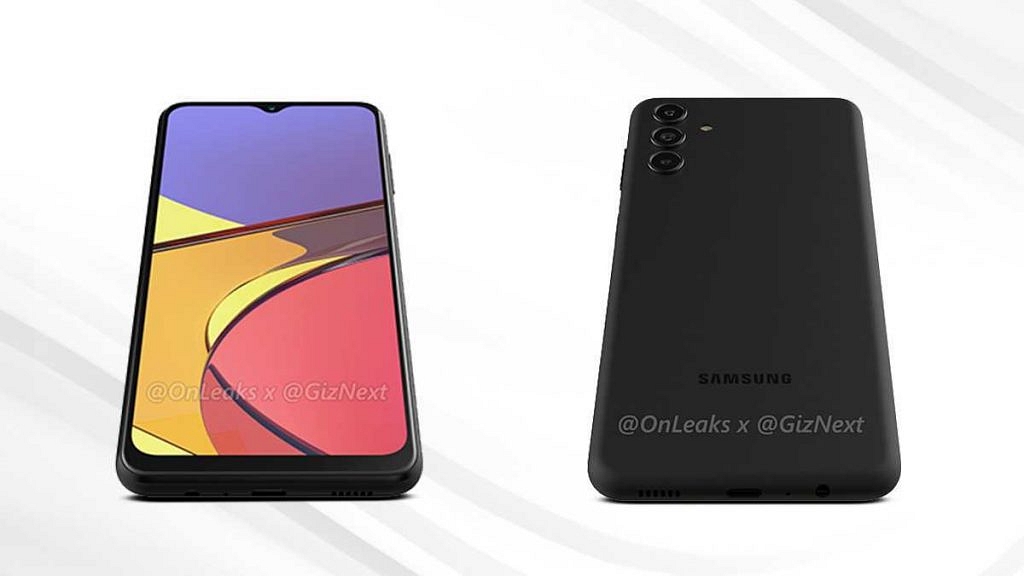
Giznext has managed to receive the Galaxy A04s 5k renders and specifications details. Noted tipster @Onleaks (Steve Hemmerstoffer) has shared the upcoming Galaxy A series phone’s features and design. The Galaxy A04s 5K renders shows a refreshed design with a tall Infinity-V display upfront.

https://newsimg.giznext.com/mobile/production/news/wp-content/uploads/2022/04/27110810/Galaxy-A04s.mp4

The budget Galaxy A series phone will have narrow bezels on three sides and a thick chin. The 5K render images also shows the placement of the volume rockers and the power key on the right panel.

The power key will integrate a fingerprint scanner for biometrics. The left panel can be seen housing the SIM card tray. It will be a dedicated slot that’ll support dual SIM and one microSD card for storage expansion. The device will measure 164.5 x 76.5 x 9.18mm in dimensions.

Moving on the Galaxy A04s’ rear panel, three camera sensors can be seen aligned vertically on the top left. The back panel seems to feature a matte surface painted in a single tone. The leaked 5K renders confirm a black color option. But we might see additional color options. Lastly, the Galaxy A04s 5K renders show the USB Type-C port sandwiched between the 3.5mm headphone jack and the speaker grille at the bottom panel.

Samsung Galaxy A04s Specifications (Expected)

As per our source, Samsung will be packing the Galaxy A04s with a 6.5-inch display. The tipster has not confirmed the screen resolution and refresh rate that the Galaxy A04s’ display will offer. However, we expect the display to offer a standard 720p HD+ screen resolution and 60Hz refresh rate.

Unfortunately, we have not got the details related to the camera specifications (both selfie and the rear module). But we will share all the information once available. Just for reference, its predecessor, i.e, the Galaxy A03s shipped with a 13MP triple camera module. Whether or not Samsung upgrades the primary camera on the Galaxy A04s would be interesting to see.

Samsung is expected to upgrade the Galaxy A04s hardware compared to the previous-gen model. The chipset could be the primary difference. The Galaxy A03s was introduced with the MediaTek Helio P35 chipset. It remains to be seen if Samsung opts for an entry-level MediaTek chipset to power the latest Galaxy A series phone or opts for a Qualcomm or Unisoc series SoC.

If there is one similarity we expect both Galaxy A03s and the Galaxy A04s to feature is the battery capacity. Samsung might use the same beefy 5,000 mAh battery to power the Galaxy A04s. But we are not sure if it will be supported by any fast-charge technology or a regular 10W charging.

When To Expect Samsung Galaxy A04s Global, India Launch

The Samsung Galaxy A04s is still under development and might take a while to get off the production bay. But we can’t rule out the possibility of this budget handset breaking covers in India and the remaining global markets in the next few months.

We will be keeping an eye on future developments and will keep you posted with all the updates related to the Galaxy A04s specifications and the India launch timeline. Do let us know your thoughts in the comments below. You can follow the GizNext Tech Enthusiast Telegram group and GizNext Tech Enthusiast WhatsApp group for fresh technology updates.
Categories
Accessories Featured Reviews

Mivi Conquer X, Thunderbeats 2 Wireless Neckband Full Review: Hit Or A Miss?

Mivi has established its name in the affordable digital accessories segment across India. The homegrown brand is rapidly expanding its audio product portfolio in the country with the launch of new speakers, wireless neckbands, and also soundbar. We recently covered the Mivi Octave 3 portable speaker review and now are sharing our feedback on two of Mivi’s recently launched wireless neckbands.

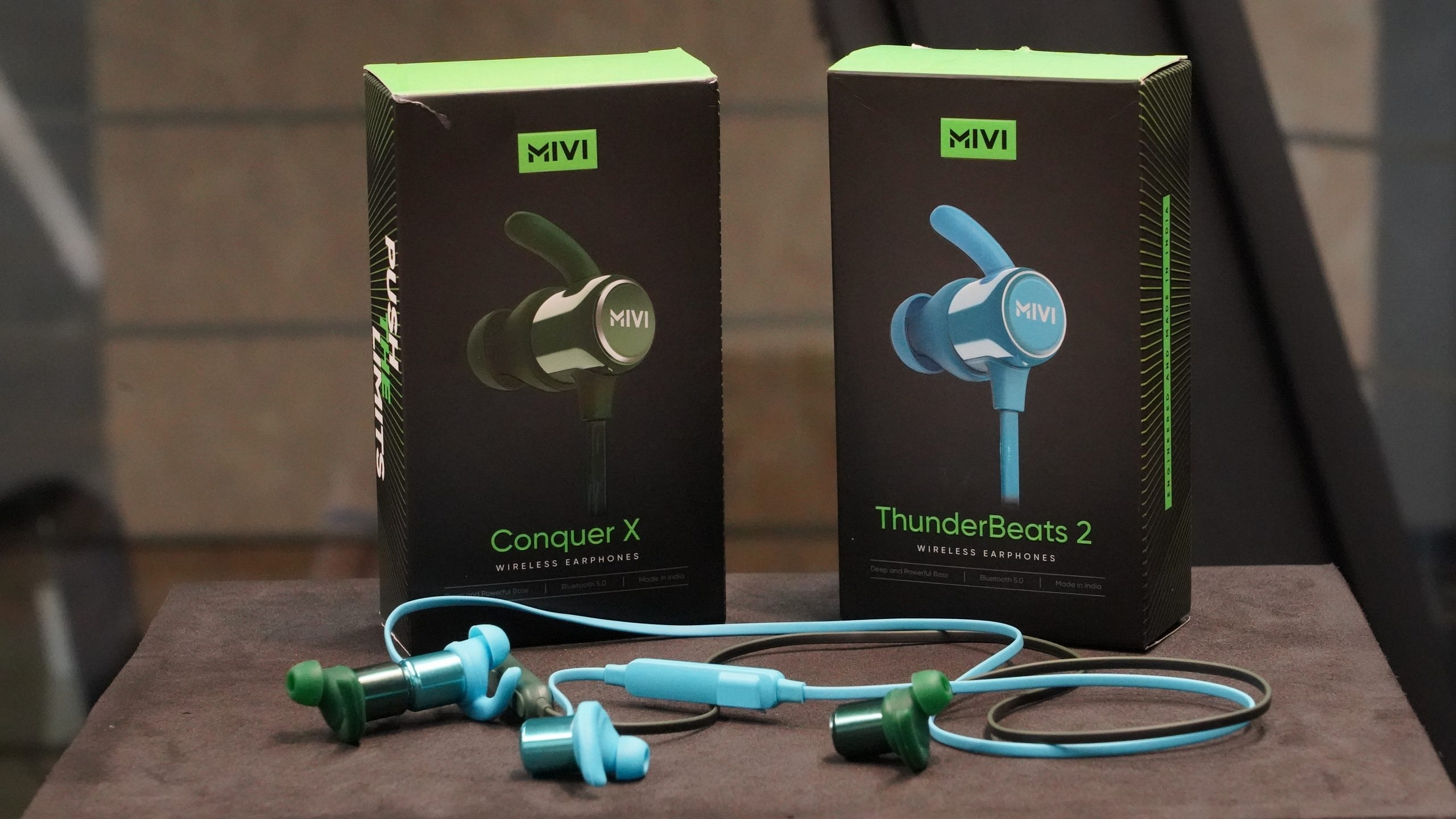
Mivi has introduced the ConquerX and Thunderbeats 2 wireless neckbands for the Indian audience. Both these neckbands have been announced for the budget audience in the country. Both Mivi ConquerX and the Thunderbeats 2 wireless neckband can be purchased at around Rs. 999 in the country via online retail stores. These latest budget neckbands by Mivi feature a basic design with hook-style earbuds. But is this wireless neckband suitable for daily usage or should you buy some other wireless neckband under Rs. 1500.

Pros and Cons

Pros:

  • Cheap price tag
  • Good battery backup
  • Hefty bass at budget price

Cons:

  • Dated microUSB port for charging
  • Bulky earbuds
  • Not comfortable for prolonged usage

Mivi Conquer X, Thunderbeats 2 Review: Design And Wearing Comfort

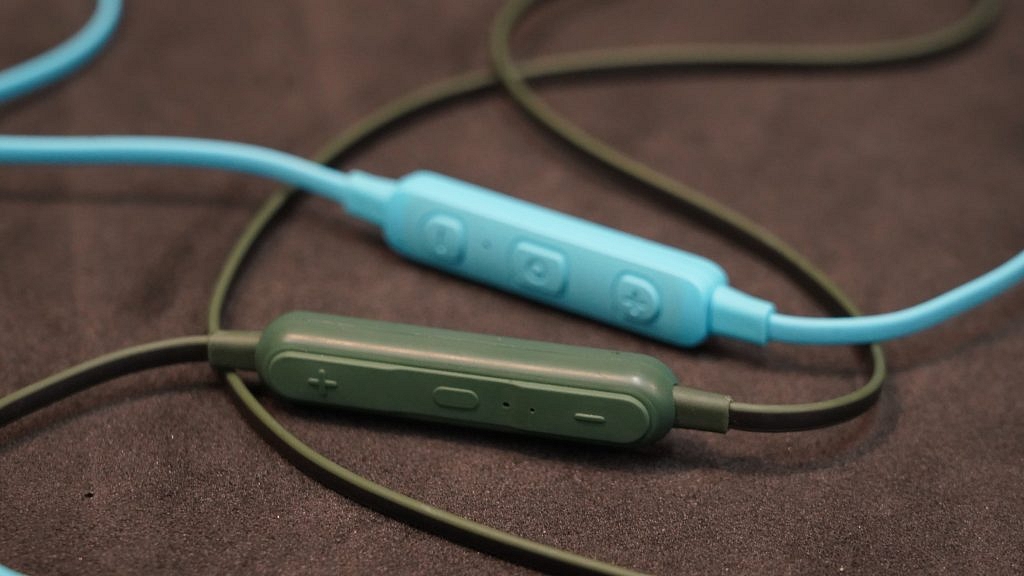
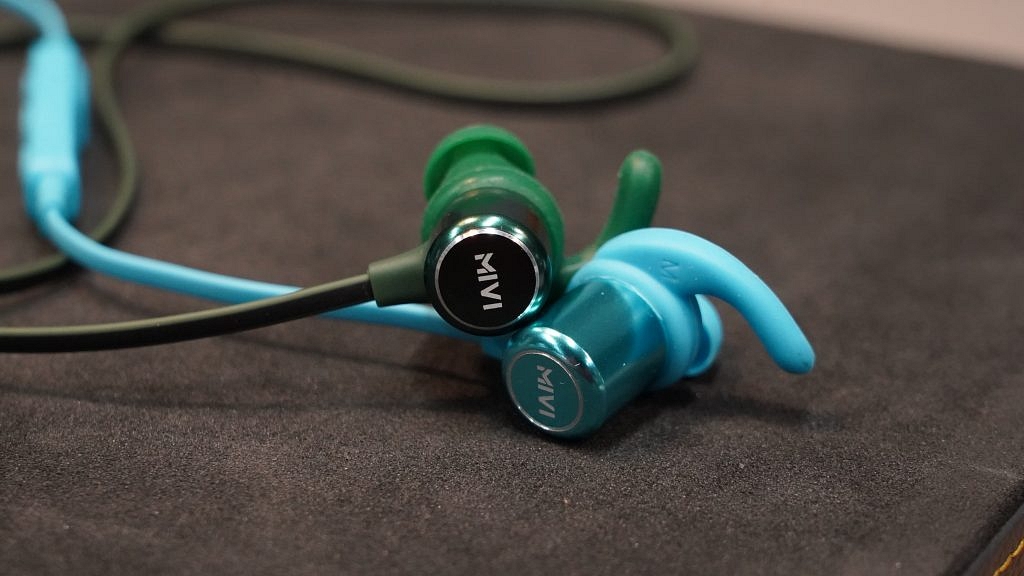
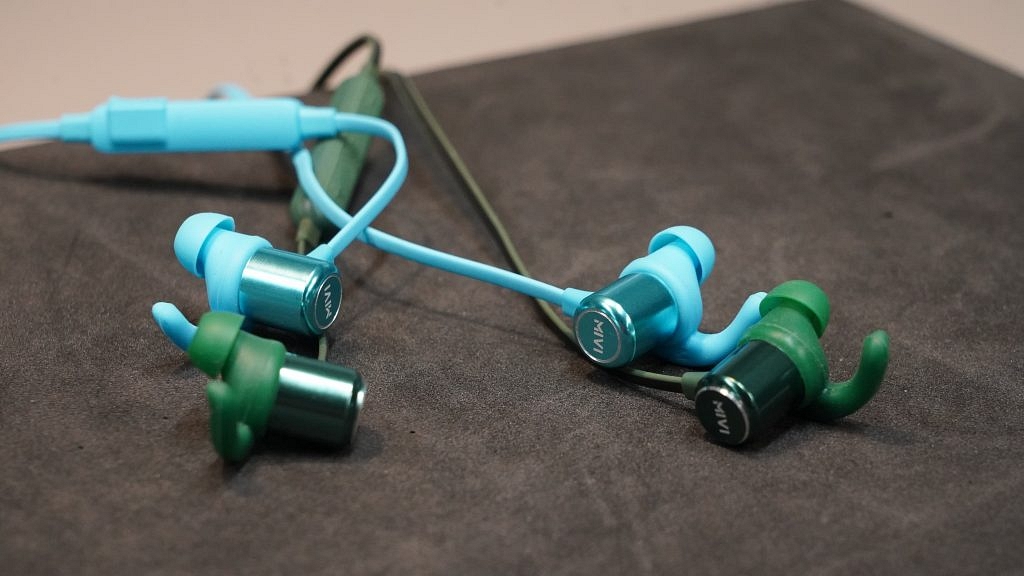
Mivi has launched the Conquer X and Thunderbearts 2 wireless earbuds with almost an identical design factor. Unlike most of the budget wireless neckbands where you get a thick neckband design, both Mivi Conquer X and Thunderbeats 2 feature a single wire design. It’s the control unit that is different on both neckbands. Even the earbuds are identical on both Mivi Conquer X and Thunderbeats 2 wireless neckband.

Both feature a large earbud with hook-style eartips for a snug fit design. Also, the earbuds offer a magnetic latch feature that saves them from accidentally falling off when not in use. The magnets aren’t super strong, but do a decent job in holding the earbuds together. It is worth mentioning that both new Mivi wireless neckband comes void of automatic power on/off or music play/pause feature with the magnetic latch. This is one of the useful options that is being offered by most of the affordable wireless neckbands in the market.

While both Conquer X and Thunderbeats 2 wireless neckbands offer a snug fit design with their hook-shaped ear tips, they are super comfortable to wear for a longer duration. The wearing comfort goes for a toss if you wear this pair for more than a few hours. Both Mivi Conquer X and Thunderbeats 2 come with IPX4 certification for dust and sweat resistivity.

Both wireless neckbands come with a bunch of physical keys for power on/off and volume adjustments. Using these control keys, you’ll also be able to answer calls and control music playback. The quality of the keys is not up to the mark. They are stiff to press and have an average built quality. Mivi has used the dated microUSB port on both Conquer X and Thunderbeats 2 wireless neckband. Only the Thunderbeats 2 ships with a supported data cable. However, you get an extra set of eartips with both Conquer X and Thunderbeats 2 wireless neckbands that you can use later if you lose the default pair.

Mivi Conquer X, Thunderbeats 2 Review: Audio Performance

Coming to the audio delivery, the Mivi Conquer X and the Thunderbeats 2 wireless neckband are equipped with a 6mm electro-dynamic drivers. Both neckbands come with HD Stereo sound support that helps with loud output. The bass offered by both Mivi wireless neckbands is on the hefty side. While the loud and heavy bass should have been in favor of the Mivi Conquer X and Thunderbeats 2, it somehow compromises the audio quality at the highest levels.

You will listen to the bass overpowering the remaining audio aspects such as treble and mids. Also, at the peak audio levels, the audio tends to muffle rather than maintain the clarity levels. Since both these Mivi wireless neckbands is entry-level devices, they come sans ANC (Active Noise Cancellation) feature. The audio leak issue is prevalent at peak volumes. Overall, the Mivi Conquer X and the Thunderbeats 2 are delivers loud audio with a hefty bass. Only if the audio clarity were on a higher level, then they would have made for the best pair under Rs. 1,000 in the country.  

Mivi Conquer X, Thunderbeats 2 Review: Battery Backup, Calling, Connectivity Experience

Both Mivi Conquer X and Thunderbeats 2 ship with Bluetooth v5.0 technology for wireless connectivity with smartphones and other compatible devices including tablets, laptops, and PCs. The connectivity range offered by both Mivi Conquer X and Thunderbeats 2 wireless neckbands is 10 meters. You won’t experience any issues with the connectivity or pairing.

Also, if the connected device is within the 10m range, you will experience no issues with audio playback. To pair the Mivi Conquer X and the Thunderbeats 2 earbuds with any smartphone or other compatible device, you’ll have to press and hold the power key until the LED blinks. Head to the settings menu on your smartphones and select the Mivi Conquer X or Thunderbeats 2 earbuds to complete the pairing process.

Coming to the battery backup, both Mivi Conquer X and Thunderbeats 2 wireless neckband are said to deliver a 14 hours backup on a single charge. That’s what the company claims. However, this battery backup is when the audio or music is being played at around 50 percent volume levels. The battery backup on both Mivi Conquer X and Thunderbeats 2 wireless neckband significantly drops when you increase the audio levels beyond 60 percent.

It is worth mentioning that both Mivi wireless neckband uses a standard microUSB port for charging. It takes more than an hour for both Mivi Conquer X and Thunderbeats 2 to get a full charge (from zero to 100 percent). You can use any standard Android charger to refuel the Mivi wireless neckbands.

Mivi Conquer X, Thunderbeats 2 Neckband Final Verdict: Worth Buying?

The Mivi Conquer X and Thunderbeats 2 wireless neckband have been targeted at entry-segment consumers in India. Both these neckbands are amongst the cheapest wireless earphones that you can buy in the country.

At an asking price of Rs. 999, you get a fully functional wireless audio wireless neckband that can be your occasional gaming or music companion, rather than being a daily driver. The wearing comfort isn’t super great and also the audio output is average; except for the bass which is on the hefty side and is the only impressive factor besides the powerful battery backup.

Do let us know your thoughts in the comments below. You can follow the GizNext Tech Enthusiast Telegram group and GizNext Tech Enthusiast WhatsApp group for fresh technology updates.
Categories
Featured Leaks Mobile

Vivo T1 Pro 5G, T1 44W Listed At Official India Website; Launching This Month Or Next?

Vivo re-started its innings in the budget 5G smartphone segment in India with the T1 5G. It is the first ‘T’ series phone in the country powered by the Snapdragon 695 5G chipset. Now, the brand is rumored to add two more Android phones to this series called the T1 Pro 5G and the T1 44W edition. Vivo has now confirmed the upcoming T series phones for the Indian market via its official website. What all details have the Chinese brand shared and what features we can expect from the Vivo T1 Pro 5G and the Vivo T1 44W? Take a look below:

Vivo T1 Pro 5G, T1 44W India Launch Confirmed Officially Via Official Website Listing

Vivo has listed both the T1 Pro 5G and the T1 44W variant on its official India website. The latest official listing confirms the upcoming V series India launch sometime soon. The exact launch date is not listed. However, the company will be announcing the charging details on April 28 followed by the camera specifications on April 30. The brand will be revealing the display details of the upcoming T1 Pro 5G and the T1 44W on May 2.

These reference dates confirm the upcoming India launch for the next Vivo T series phones in May itself. The company might update the exact dates in the first week of May 2022. Both Vivo T1 Pro 5G and the Vivo T1 44W variant have been leaked multiple times. Therefore, some of the features are known. We will be speaking of the rumored specifications in a while.

As for the expected pricing, the Vivo T1 Pro 5G is expected to be announced under Rs. 25,000 in India. For reference, the standard Vivo T1 5G has been introduced under Rs. 20,000 in the country. The Vivo T1 44W variant’s pricing details are not revealed. However, this variant might also retail within Rs. 20,000- Rs. 25,000 price range in the country.

Vivo T1 Pro 5G, T1 44W Variant Expected India Specifications, Features

The Vivo T1 Pro 5G might be announced with the Snapdragon 778G octa-core chipset. The premium mid-tier chipset might be combined with up to 8GB RAM and 128GB storage configuration. Vivo might pack the T1 Pro 5G with an FHD+ AMOLED panel that will support a 120Hz refresh rate. This model is expected to feature a 64MP triple rear camera module and a fast-charging supported battery.

The Vivo T1 44W will be a toned-down version of the vanilla T1 5G. It will be packed with the Snapdragon 680 processor instead of the Snapdragon 695 chipset on the standard variant. We will share the remaining Vivo T1 Pro 5G and the Vivo T1 44W variant’s specification and features.

 You can follow the GizNext Tech Enthusiast Telegram group and GizNext Tech Enthusiast WhatsApp group for fresh technology updates.
Categories
Featured Leaks Mobile

iQOO Neo 6 SE Latest Leak Reveals Full Specifications; Snapdragon 870 Chipset, 80W Fast Charging Tipped

iQOO is expanding its ‘Z’ smartphone lineup in India with the launch of the Z6 Pro 5G. But in its home country China, the company is gearing up to refresh the Neo series with the launch of the Neo 6 SE. The upcoming device will be a trimmed-down version of the standard iQOO Neo6 which was launched this month itself in China. Thanks to a noted Chinese tipster, we now have got the iQOO Neo6 SE’s full specification details.

iQOO Neo 6 SE Full Specifications And Features Leaked

A fresh leak courtesy of noted Chinese tipster Digital Chat station has revealed all the key features of the upcoming premium iQOO Neo 6 SE specifications. The latest iQOO Neo 6 SE 5G leak confirms the presence of the Snapdragon 870 octa-core chipset. Just to recap, the vanilla iQOO Neo 6 is powered by the new-gen Snapdragon 8 Gen 1 chipset.

The exact RAM and storage configurations are not specified. But we can expect up to 12GB LPDDR5 RAM and 256GB/ 512GB UFS 3.1 storage. The device. The software version is also not tipped, but it could be Android 12 OS topped with a custom Fun Touch UI.

The leak further suggests the iQOO Neo 6 SE will be flaunting a massive 6.62-inch display. The company is said to use an OLED panel on the upcoming Neo smartphone which will feature a punch-hole cutout for the selfie camera. The Neo 6 SE 5G’s display will support FHD+ screen resolution and 120Hz refresh rate.

The imaging specifications of the Neo 6 SE are not revealed. But we will likely see a triple rear camera module with a large 50MP or 64MP main sensor. This information is our speculation and should be taken as a grain of salt. Finally, the leak hints at a 4,700 mAh battery with 80W fast wired charging support.

When is iQOO Neo 6 SE India Launch Taking Place?

The iQOO Neo 6 SE has been visiting the rumor mill since last year. But no official launch date has been announced by the brand yet. We expect the iQOO Neo 6 SE to launch initially in China and later in the global regions including India. We will be keeping you posted with the Neo 6 SE India launch details once announced.

Do let us know your thoughts in the comments below. You can follow the GizNext Tech Enthusiast Telegram group and GizNext Tech Enthusiast WhatsApp group for fresh technology updates.